


A reform-oriented approach to criminal justice
King’s pardon signals Morocco’s justice reform, push for reintegration
The king’s move underscores the state’s emphasis on social reintegration, second chances and a balance between justice and humanitarian considerations.
Sunday 11/01/2026
A reform-oriented approach to criminal justice
RABAT –
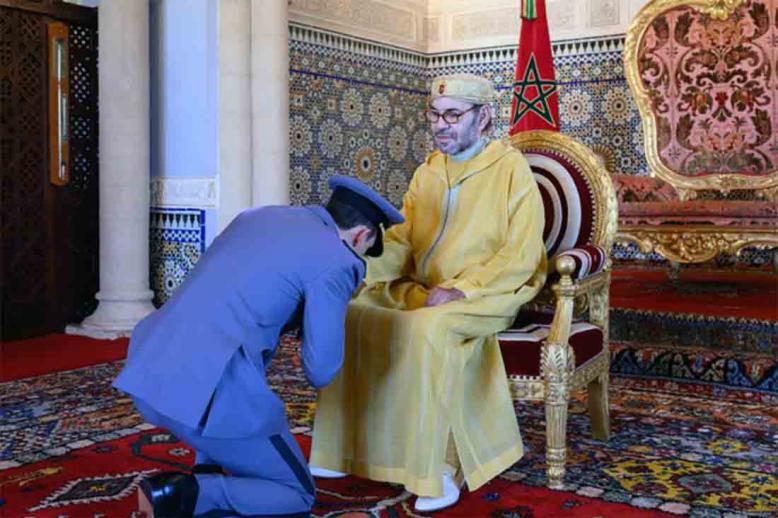
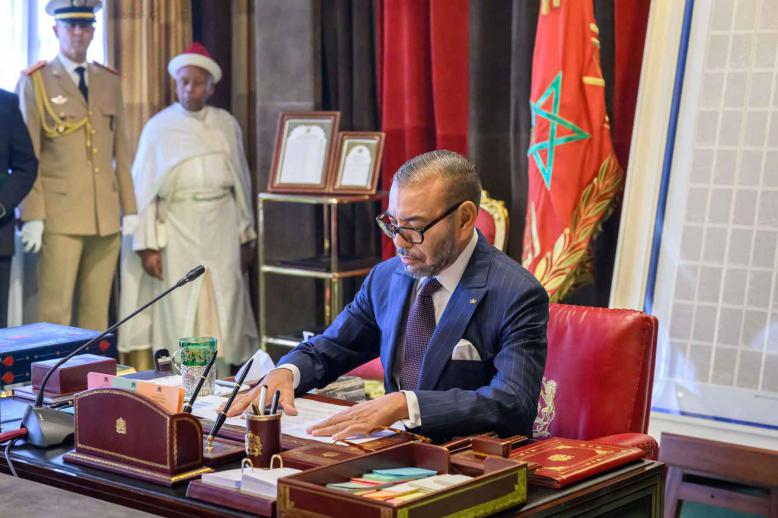
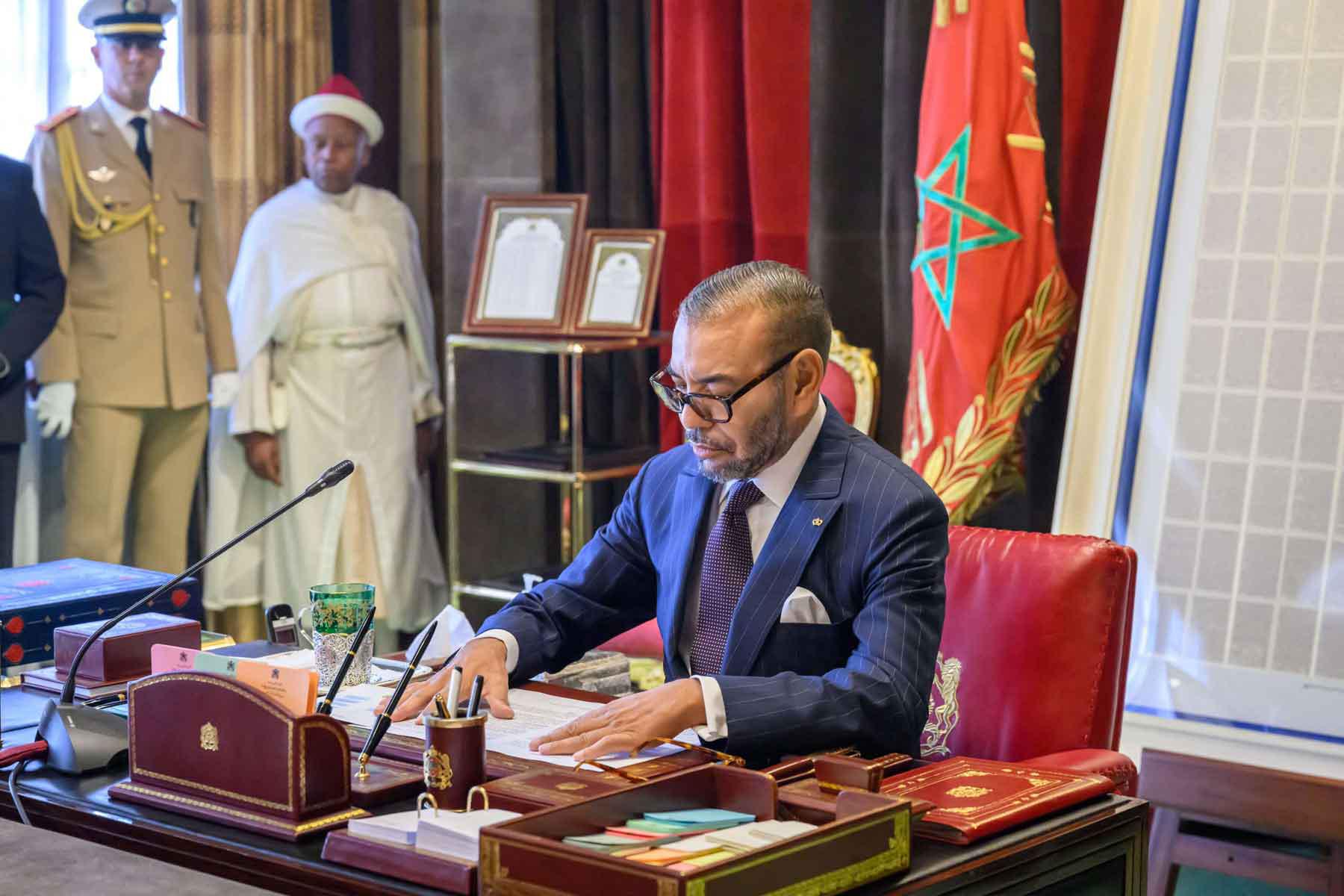
Morocco’s King Mohammed VI granted a royal pardon to 1,386 people convicted by courts across the kingdom, including both detainees and individuals at liberty, in a move that underscores the state’s emphasis on social reintegration, second chances and a balance between justice and humanitarian considerations.
The pardon was issued to mark the anniversary of the Independence Manifesto, a key moment in Morocco’s modern history, and comes within a broader framework that views imprisonment as a stage of reform rather than an end in itself. The initiative aims to allow beneficiaries to transition from punitive confinement into productive participation in society, contributing to stability and development.
The royal gesture reflects a state approach that links legal accountability with human values and social solidarity, reinforcing public trust in institutions while offering renewed hope to families and communities affected by incarceration.
Beyond its humanitarian dimension, the pardon carries clear messages about moderation and tolerance, granting individuals an opportunity to reassess their paths and reintegrate responsibly into public life after careful evaluation of their commitment to the law and national institutions.
According to an official statement from the Ministry of Justice, the pardon covered 1,371 people convicted in a range of cases, in addition to 15 inmates convicted on extremism- and terrorism-related charges. These individuals were included after formally renouncing extremist views, reaffirming their adherence to national constants, and rejecting violence and radical ideology.
The forms of clemency varied, including the cancellation of remaining prison terms, sentence reductions, and waivers of fines, reflecting a calibrated legal assessment and flexibility in handling individual cases.
Among detainees benefiting from the pardon were 1,157 prisoners. Of these, 23 had the remainder of their sentences cancelled, 1,133 received reduced prison terms, and in one case a life sentence was commuted to a fixed-term sentence. Meanwhile, 214 individuals who were not in custody received pardons that included the cancellation of custodial sentences, fines, or both, allowing them to resume their daily lives in accordance with the circumstances of each case.
The humanitarian significance of the pardon was particularly evident in its inclusion of individuals convicted of extremism and terrorism-related offences. Nine of these inmates had the remainder of their prison terms cancelled, while six received sentence reductions. The step reflects a policy of offering a genuine opportunity for rehabilitation and reintegration to those who demonstrate a clear commitment to change and peaceful coexistence.
The timing of the pardon, linked to a pivotal national anniversary, reinforces the notion that justice and reconciliation are integral to nation-building. It highlights that granting a second chance is not merely a humanitarian option, but a practical application of balanced justice.
More broadly, the royal initiative illustrates Morocco’s reform-oriented approach to criminal justice, which seeks to combine legal firmness with social reintegration. Prison is viewed as a temporary phase within a broader process of reform, enabling those who demonstrate readiness to abide by the law to return as constructive members of society.
Ultimately, the pardon reflects a comprehensive vision of justice in Morocco, one that goes beyond deterrence to embrace rehabilitation, social cohesion and national values, strengthening institutional credibility while promoting tolerance and moderation in an increasingly complex regional and global context.