

Under mounting pressure
Kurdish opposition groups in Iraq deny smuggling US arms into Iran
Fariba Mohammadi, deputy secretary-general of the Komala Party of Iranian Kurdistan, called Trump’s allegations “psychological warfare.”
Wednesday 20/05/2026
Under mounting pressure
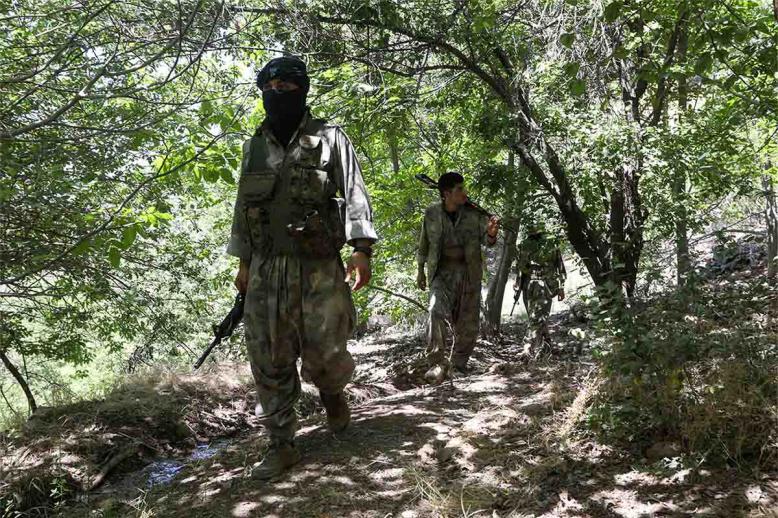
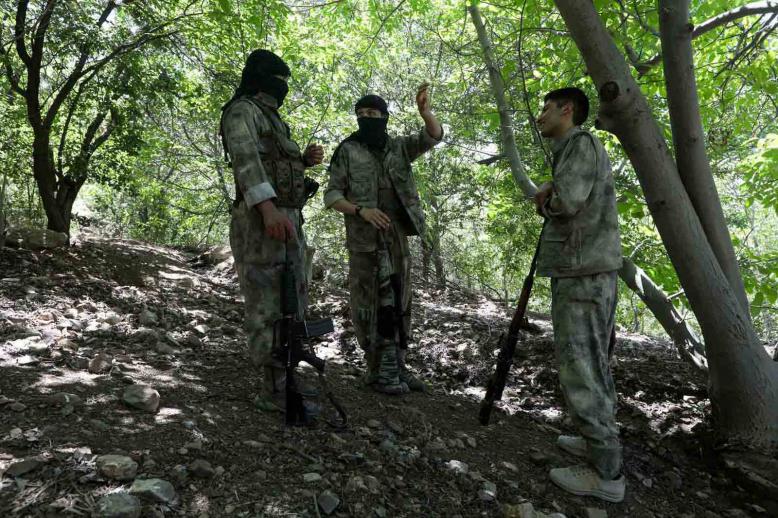
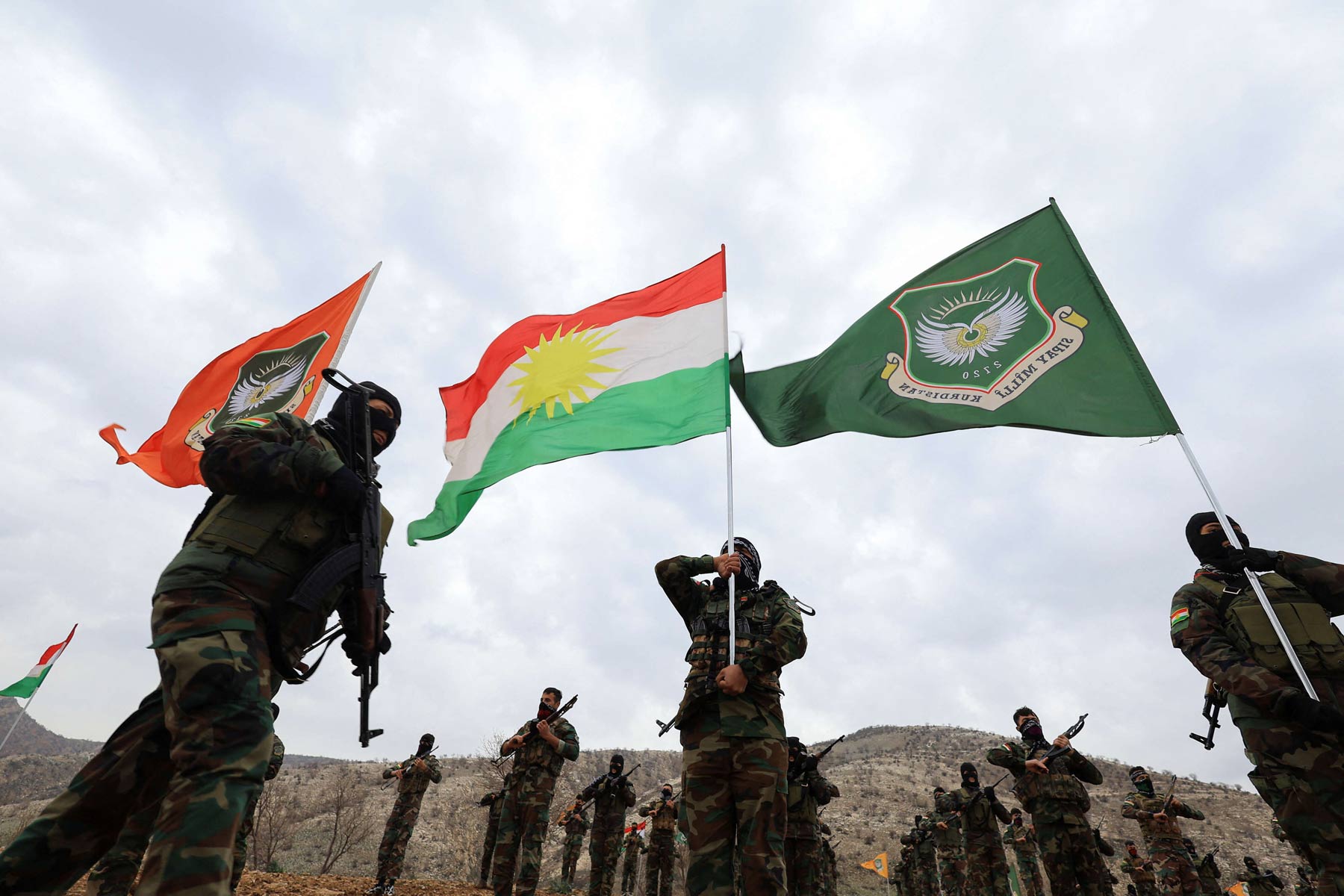
SULAYMANIYAH, Iraq – Three major Iranian Kurdish opposition groups based in Iraq denied on Tuesday that they had smuggled American weapons into Iran, after Tehran’s Revolutionary Guards said they had intercepted a shipment of US-made arms near the Iraqi border.
Iran’s Islamic Revolutionary Guard Corps (IRGC) said on Monday that armed groups operating from northern Iraq and acting “on behalf of the US and the Zionist regime” had attempted to move a large cache of weapons and ammunition into Iran through Kurdistan province.
The IRGC said it had confiscated the shipment near the border in Baneh county following intelligence monitoring operations, but provided no evidence or details about the quantity or type of weapons seized.
Iranian Kurdish opposition parties rejected the accusations, saying Tehran was using them to justify continued cross-border missile and drone attacks against their positions in Iraq’s autonomous Kurdistan region.
“The claims regarding seized weapons and ammunition have absolutely nothing to do with us,” Ahwan Chiako of the Kurdistan Free Life Party (PJAK) told AFP. “We did not send weapons, and no equipment belonging to us has been seized.”
Amjad Hossein Panahi, spokesman for the Komala party, described the allegations as “completely false” and said they served as a pretext for Iran to continue strikes on Kurdish opposition camps.
An official from the Democratic Party of Iranian Kurdistan (PDKI), speaking on condition of anonymity, also denied any involvement in weapons transfers.
Iran has repeatedly accused armed Kurdish groups based in northern Iraq of carrying out attacks inside Iranian territory and serving Western and Israeli interests.
The tensions have intensified since the outbreak earlier this year of a US-Israeli conflict with Iran, during which Tehran launched repeated attacks on Kurdish opposition positions in Iraq despite a ceasefire announced in April.
The groups came under increased scrutiny after US President Donald Trump suggested at the start of the conflict that Iranian Kurdish fighters could be used against Tehran. Trump later appeared to retreat from those remarks, but subsequently accused Kurdish intermediaries of withholding weapons allegedly intended for Iranian protesters.
“We sent guns to the protesters,” Trump told Fox News in April. “And I think the Kurds took the guns.”
Kurdish factions across the region have denied receiving or diverting any weapons.
Fariba Mohammadi, deputy secretary-general of the Komala Party of Iranian Kurdistan, called Trump’s allegations “psychological warfare,” while other Kurdish officials said heavily militarised borders and security cooperation between Baghdad and Tehran made such transfers implausible.
Deputy Prime Minister of Iraq’s Kurdistan region Qubad Talabani said in March that the United States was not arming Iranian Kurdish opposition groups based in the region.
Analysts say Trump’s remarks increased pressure on Kurdish factions already facing Iranian military operations while exposing Iraq’s Kurdistan region to accusations from Tehran and Iran-backed Iraqi militias of facilitating anti-Iran activities.
Turkey, which opposes the emergence of additional autonomous Kurdish armed entities in the region, is also closely monitoring developments.
Regional tensions remain elevated despite a Pakistan-mediated ceasefire between Tehran and Washington that took effect on April 8 after weeks of conflict that disrupted shipping routes and energy flows across the Gulf.