Supporting joint Gulf archaeological research
Kuwait’s Failaka discoveries illuminate glory of Gulf’s ancient civilisations
Dr Ashkanani described the unearthing of two successive Dilmun temples, dating between 1900 and 1800 BCE, as a singular achievement in Kuwait’s archaeological history.
Thursday 08/01/2026
Supporting joint Gulf archaeological research
KUWAIT CITY –
Gulf antiquities offer a vivid window into the region’s deep human civilisation, while serving as a cornerstone for national identity and a bridge for cultural dialogue with the world, said Acting Assistant Secretary General for Antiquities and Museums at Kuwait's National Council for Culture, Arts and Letters (NCCAL) Mohammad bin Redha.
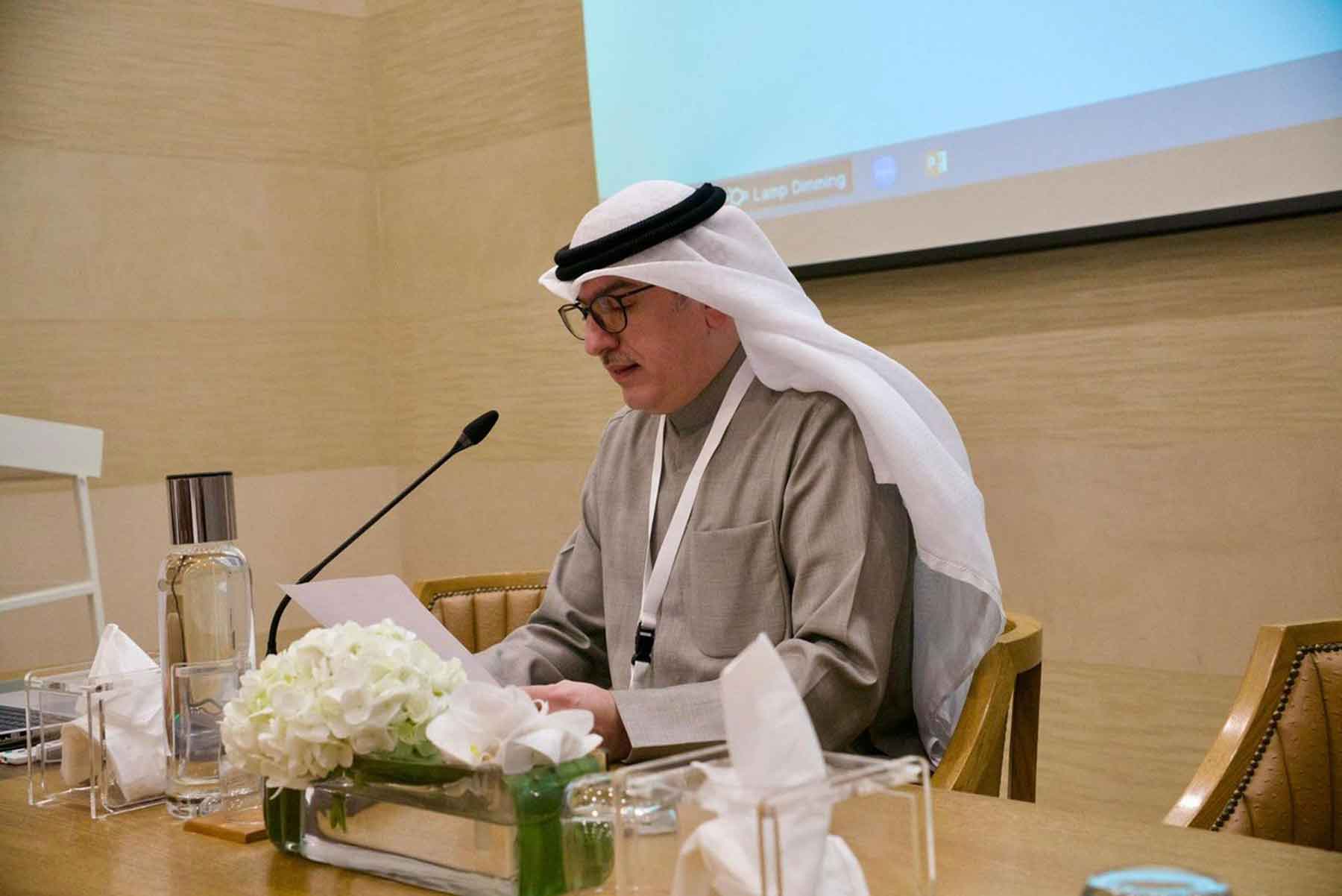
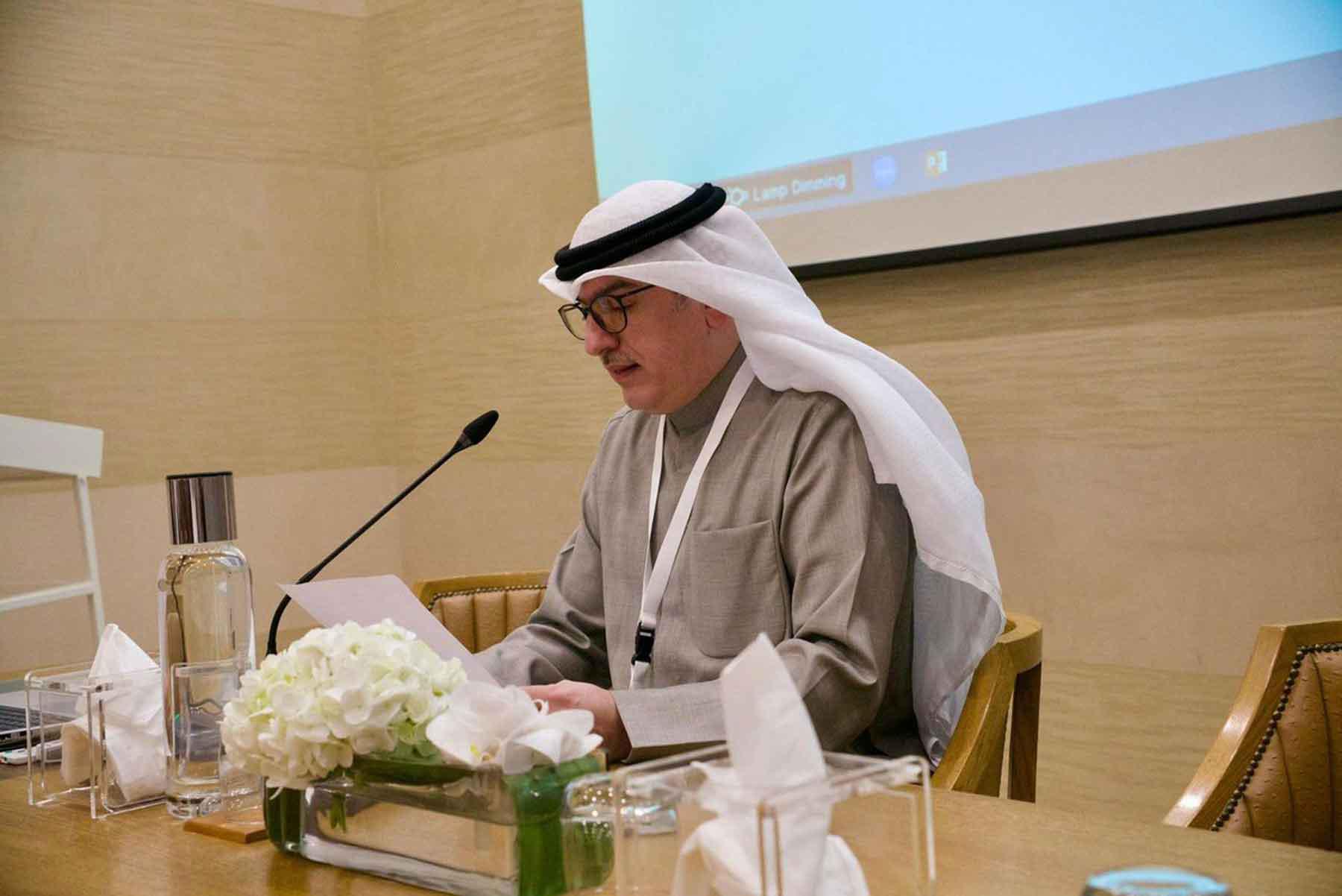
Bin Redha made the remarks while leading the Council’s delegation at a scientific symposium on Arabian Gulf antiquities, hosted by the Bahrain Authority for Culture and Antiquities and attended by leading archaeologists, researchers and specialists from across the Gulf.
He described the symposium as a vital platform for exchanging expertise and showcasing the remarkable progress of archaeological work across Gulf Cooperation Council countries. Topics ranged from groundbreaking discoveries and excavations to regional and international collaboration, as well as the increasing use of digital technologies in research, preservation, and documentation.
Kuwait itself recently revealed a remarkable Bronze Age temple on Failaka Island, dating back some 4,000 years. The discovery, made during the 2025 excavation season by a joint Kuwaiti-Danish team from the Moesgaard Museum, unveiled the full layout of the temple belonging to the ancient Dilmun civilisation. Intriguingly, it sits directly beneath another temple identified in the previous season, confirming that two successive temples from the same civilisation occupy the same site.
Bin Redha emphasised that Kuwait’s participation in the symposium underscores the country’s commitment to fostering collaborative Gulf archaeological projects and promoting national expertise in specialised scientific forums.
The Kuwaiti delegation included noted specialists such as former head of NCCAL's Antiquities and Museums Department Dr. Sultan Mutlaq Al-Duwaish, who presented a paper on Ubaid civilisation remains at the Subiya site during the Neolithic period, and Kuwait University (KU) Anthropology Professor and NCCAL Adviser Dr. Hasan Ashkanani, who presented a paper on using radiometric analysis techniques to study pre-Dilmun pottery, highlighting the role of cutting-edge science in archaeology.
The symposium concluded with recommendations to expand joint Gulf archaeological research, integrate modern technologies and digital tools in documentation, develop sustainable management and preservation strategies for archaeological sites, and strengthen public awareness alongside specialised scientific studies.
Speaking to the Kuwait News Agency, Bin Redha reaffirmed the Council’s ongoing support for archaeological missions, excavation, restoration and scientific research across Kuwait. “Our goal is to highlight the country’s rich history and safeguard its civilisational heritage for future generations,” he said.
The recent excavations centred on the area east of the Palace site and the Dilmun temple atop a mound known as Tel (F6), dating to the early Dilmun period.
Head of the Danish mission in Kuwait, Dr. Stefan Larsen noted that previous excavation seasons had uncovered walls believed to form the platform of a small temple dating to around 1900 BCE, measuring 11 × 11 metres, a testament to the enduring presence of Dilmun civilisation on Failaka Island.
This season, the team discovered the foundations of an even older temple beneath the previously uncovered structure, also from the Bronze Age. Artefacts, including seals and pottery, confirm that the new temple belongs to the early Dilmun period, offering invaluable insights into the religious practices of this ancient kingdom.
Dr Ashkanani described the unearthing of two successive Dilmun temples, dating between 1900 and 1800 BCE, as a singular achievement in Kuwait’s archaeological history.
The discovery raises the number of known temples in south-western Failaka to four from the same era, highlighting the site’s significance as a major administrative and religious hub. It also illustrates the development of the Dilmum kingdom, which thrived during the Bronze Age, alongside other Dilmum sites such as Al-Khadr Port and Tel Saad.