

Instability continues across southern border areas
Lebanon divided over how to confront Israel as south remains on edge
Positions differ sharply between a camp seeking to strengthen the role of the state and another camp supporting a “deterrent force” provided by the resistance.
Friday 22/05/2026
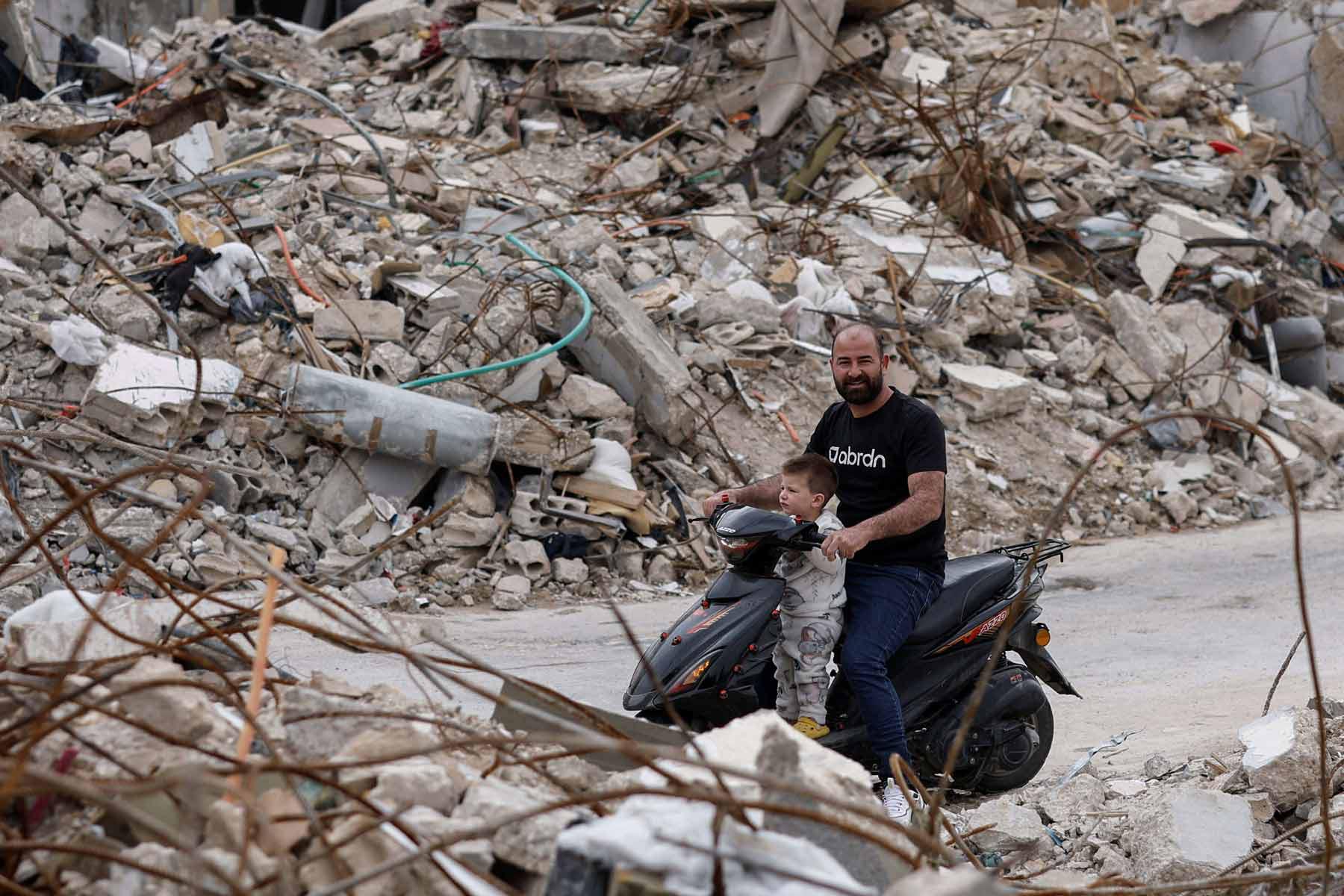
Instability continues across southern border areas
BEIRUT – Lebanon is witnessing widening political and security divisions over how to deal with Israel in the south, amid escalating field tensions and competing domestic approaches between those advocating stronger political and diplomatic tracks and others insisting that armed resistance remains the primary tool for managing the conflict and regulating the rules of engagement.
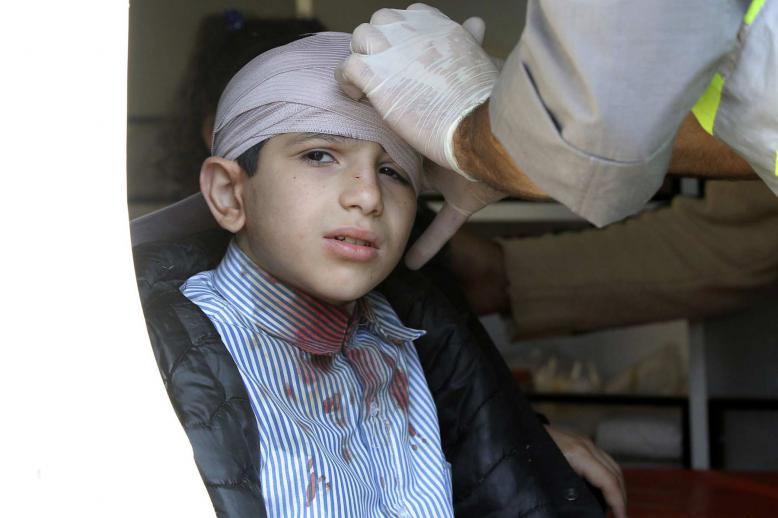
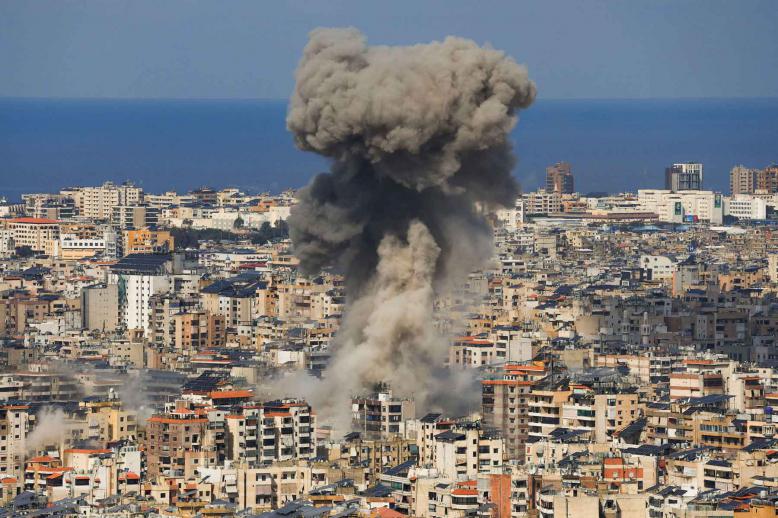
The divide has become particularly pronounced as instability continues across southern border areas, where recurring security incidents and military tensions have once again placed the southern file at the centre of Lebanon’s internal debate over how to protect national sovereignty and prevent the situation from sliding into a full-scale confrontation.
Within Lebanon’s political landscape, positions differ sharply between a camp seeking to strengthen the role of the Lebanese state and its institutions in managing the south through intensified diplomacy and implementation of international resolutions, most notably UN Security Council Resolution 1701, and another camp arguing that such an approach is insufficient without what it describes as the “deterrent force” provided by the resistance.
Hezbollah has repeatedly argued through its leadership that direct negotiations and diplomatic efforts with Israel have failed to produce meaningful results in halting Israeli attacks or guaranteeing stability in southern Lebanon.
The group maintains that the absence of effective deterrence has instead encouraged continued Israeli violations and insists that resistance remains a fundamental balancing factor in any security or political equation related to southern Lebanon.
In contrast, other Lebanese political forces argue that priority should be given to strengthening the authority of the Lebanese state across all its territory, including the south, through consolidating weapons under official institutions and expanding Beirut’s diplomatic engagement with the international community to pressure Israel into ending violations.
The disagreement extends beyond politics into differing concepts of security itself. One side views security primarily through direct military deterrence, while the other sees it as the product of long-term political and diplomatic stability built on international agreements and negotiated understandings.
Observers say southern Lebanon has increasingly become a testing ground for these competing approaches, where domestic considerations intersect with complex regional and international calculations, making any comprehensive settlement particularly difficult at the current stage.
Despite the clear divergence, political communication channels among Lebanese factions remain open in an effort to contain disputes and prevent them from escalating into deeper national divisions.
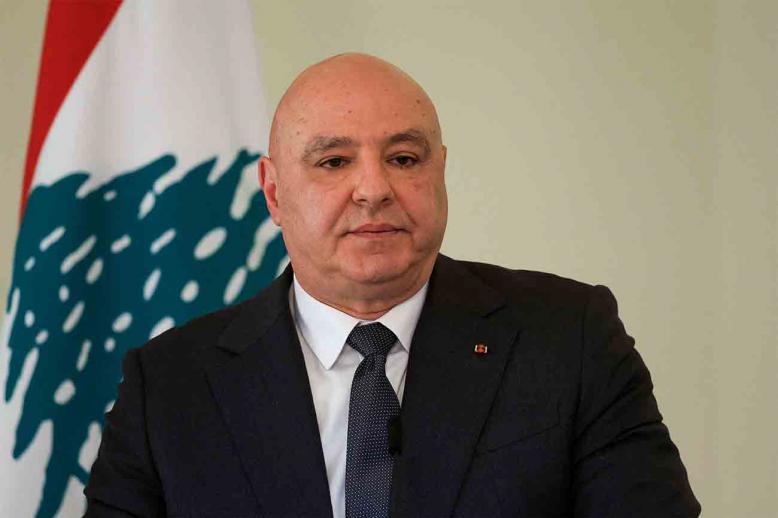
Presidency of Lebanon is seeking to play a balancing role aimed at preserving domestic stability and avoiding any collapse in coordination between political forces, particularly on sensitive issues linked to national security.
At the same time, Hezbollah continues to stress that any strategy concerning the south must take into account the “balance of power” on the ground, warning that ignoring this reality could weaken Lebanon’s ability to protect its borders or strengthen its leverage in any future negotiations.
The group has also linked any sustainable de-escalation to a complete halt to Israeli attacks by land and air, as well as full implementation of international resolutions, while arguing that those resolutions alone are insufficient without a credible deterrence balance preventing further violations.
Meanwhile, calls are growing within some Lebanese political circles for the country to distance itself from wider regional conflicts and instead focus on building international backing for the Lebanese state as a pathway towards restoring long-term stability in the south.
The contrasting positions underscore the depth of Lebanon’s political complexity, where domestic dynamics overlap with external pressures and competing visions regarding the nature of the state and its role in security and defence policy.
As a result, the southern front remains one of the country’s most sensitive and divisive files.
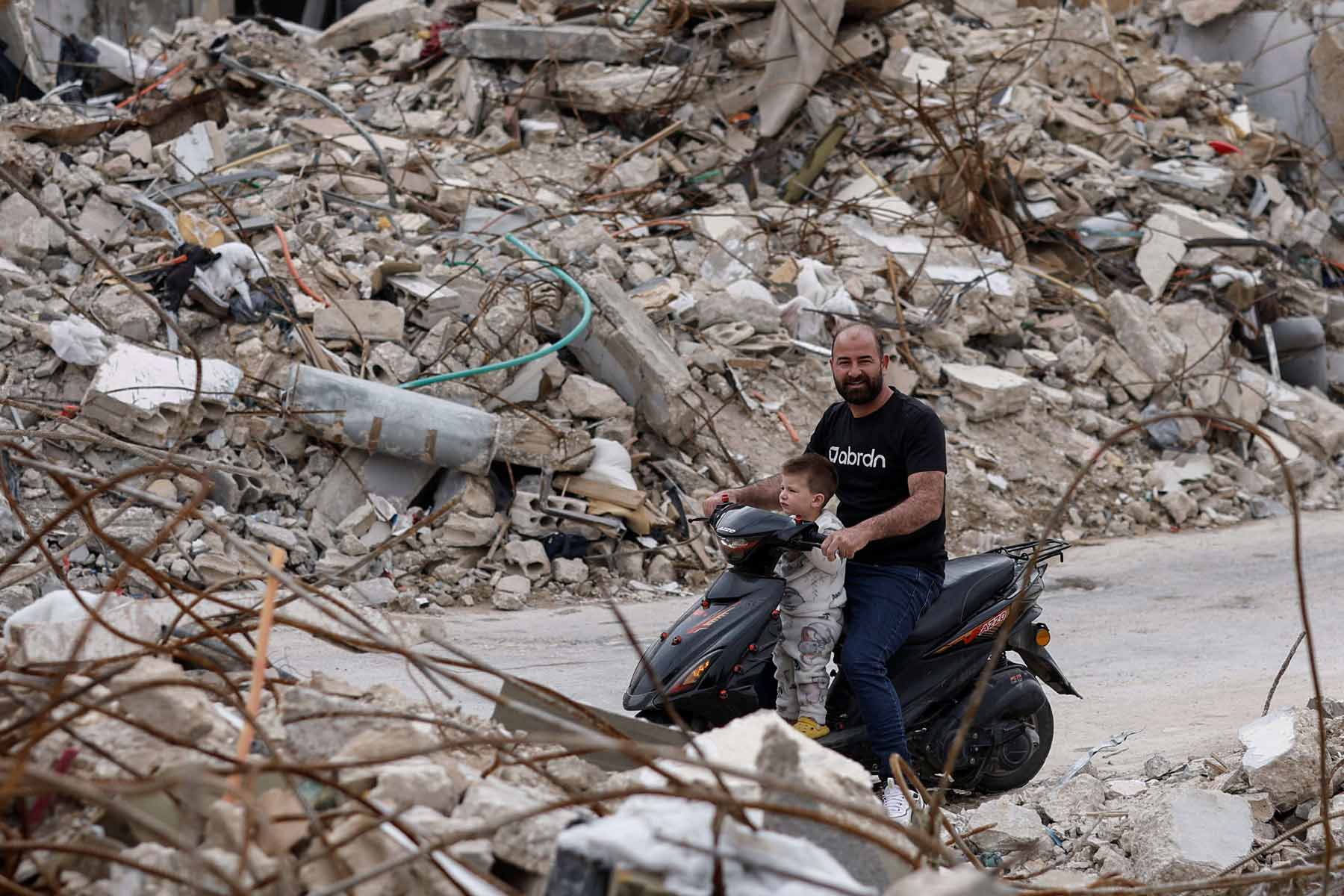
Continued tensions in the south are also placing Lebanon under mounting economic and security pressure, affecting population movement, social stability and broader regional concerns linked to energy prices and maritime navigation.
Between these competing approaches, the future of southern Lebanon remains tied to whether political forces can establish common ground, or at minimum manage their disagreements in a way that prevents them from evolving into a deeper national crisis.
The ongoing dispute over how to confront Israel reflects the absence of a comprehensive national consensus on the concepts of security, state authority and the role of armed resistance.
Without such a consensus, southern Lebanon is likely to remain open to multiple scenarios, ranging from a fragile calm sustained by existing balances to a possible escalation if political efforts fail to produce a unified vision capable of addressing the deep divisions shaping Lebanon’s political scene.