


Moving closer to resolving long-running Syrian prisoner file
Lebanon hands 128 Syrian convicts under bilateral agreement
The latest transfer involved 128 Syrian prisoners and follows an earlier handover in March, when 132 convicts were returned to Syria.
Thursday 25/06/2026
Moving closer to resolving long-running Syrian prisoner file
BEIRUT – Lebanon on Wednesday handed over a new group of Syrian convicts to Damascus under a bilateral judicial cooperation agreement aimed at resolving one of the most sensitive and long-running issues between the neighbouring countries.
The latest transfer involved 128 Syrian prisoners and follows an earlier handover in March, when 132 convicts were returned to Syria. Together, the two operations have seen around 260 prisoners transferred under an agreement signed in February, which is expected to cover about 300 Syrian convicts in total.
The prisoner file has long been a source of controversy in Lebanon, gaining renewed momentum following the fall of former Syrian president Bashar al-Assad and growing calls from prisoners’ families and rights advocates for a comprehensive solution.
The Syrian inmates do not belong to a single category and were convicted on a wide range of charges. Some were jailed for political reasons linked to the Syrian conflict, while others were convicted of terrorism-related offences, fighting against the Lebanese army, or common criminal offences including theft, fraud and rape. Others were detained for immigration-related violations and illegal residency offences.
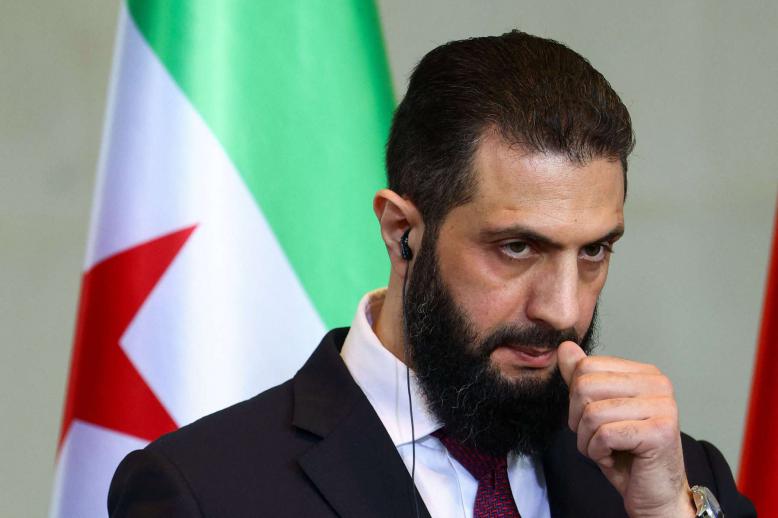
Syrian Justice Minister Mazhar al-Wais announced on Tuesday that Damascus was preparing to receive the latest group of prisoners, describing the move as part of ongoing judicial and security cooperation between the two countries.
The agreement allows convicted prisoners to be transferred to their home country to complete their sentences, while preserving legal procedures and judicial oversight.
In March, Lebanese Deputy Prime Minister and Justice Minister Tarek Mitri said the first transfer had been carried out in accordance with Lebanese law and bilateral and international agreements, while respecting legal and humanitarian standards.
He said the objective was to enable convicted prisoners to complete their sentences in their home country through officially recognised legal procedures.
Mitri also stressed that Lebanon intended to continue implementing the agreement in stages in a manner that fulfilled both its legal and humanitarian objectives while strengthening bilateral ties based on mutual trust, respect and common interests.
The agreement covers Syrian prisoners who have spent lengthy periods in Lebanese prisons, often exceeding a decade. It applies to most felony convictions, excluding crimes such as murder and rape. Prisoners transferred to Syria retain the right to seek retrial proceedings once they return home.
The accord, signed on February 6, 2026, was hailed by officials in both countries as a milestone in rebuilding Lebanese-Syrian relations on the basis of state-to-state cooperation and mutual respect.
At the time, Syrian Justice Minister al-Wais described the agreement as the culmination of an intensive diplomatic and judicial effort and the product of a strategic partnership reflecting a more mature relationship between the two countries.
He said the deal had been prepared by joint technical and judicial committees that worked with a high degree of professionalism and transparency, praising the Lebanese judiciary for helping accelerate decisions in complex cases.
According to Syrian officials, the agreement represents the first major step towards addressing the situation of Syrian prisoners who have spent years in Lebanese detention facilities and whose cases have often been among the most legally complicated.
Officials from both countries have indicated that joint judicial committees will continue meeting to examine the cases of other Syrian detainees still being held in Lebanon, with the aim of reaching broader agreements in the future.
A source familiar with the process said the prisoner transfer arrangement reflected the nature of a new relationship between Beirut and Damascus.
“This is cooperation from state to state and ministry to ministry, without infringing on the sovereignty or laws of either country,” the source said.
The source rejected claims circulating in Lebanon that prisoners transferred during the first phase had been immediately released by Syrian authorities.
“Syria is committed to implementing the agreement in full, just as Lebanon is,” the source said. “Prisoners are transferred to Syria to serve their sentences there. Only those who had already completed their sentences under rulings issued by Lebanese courts were released after all legal procedures were completed.”
The prisoner issue remains one of several unresolved files between Lebanon and Syria, alongside border disputes, smuggling networks and the fate of missing and forcibly disappeared persons.
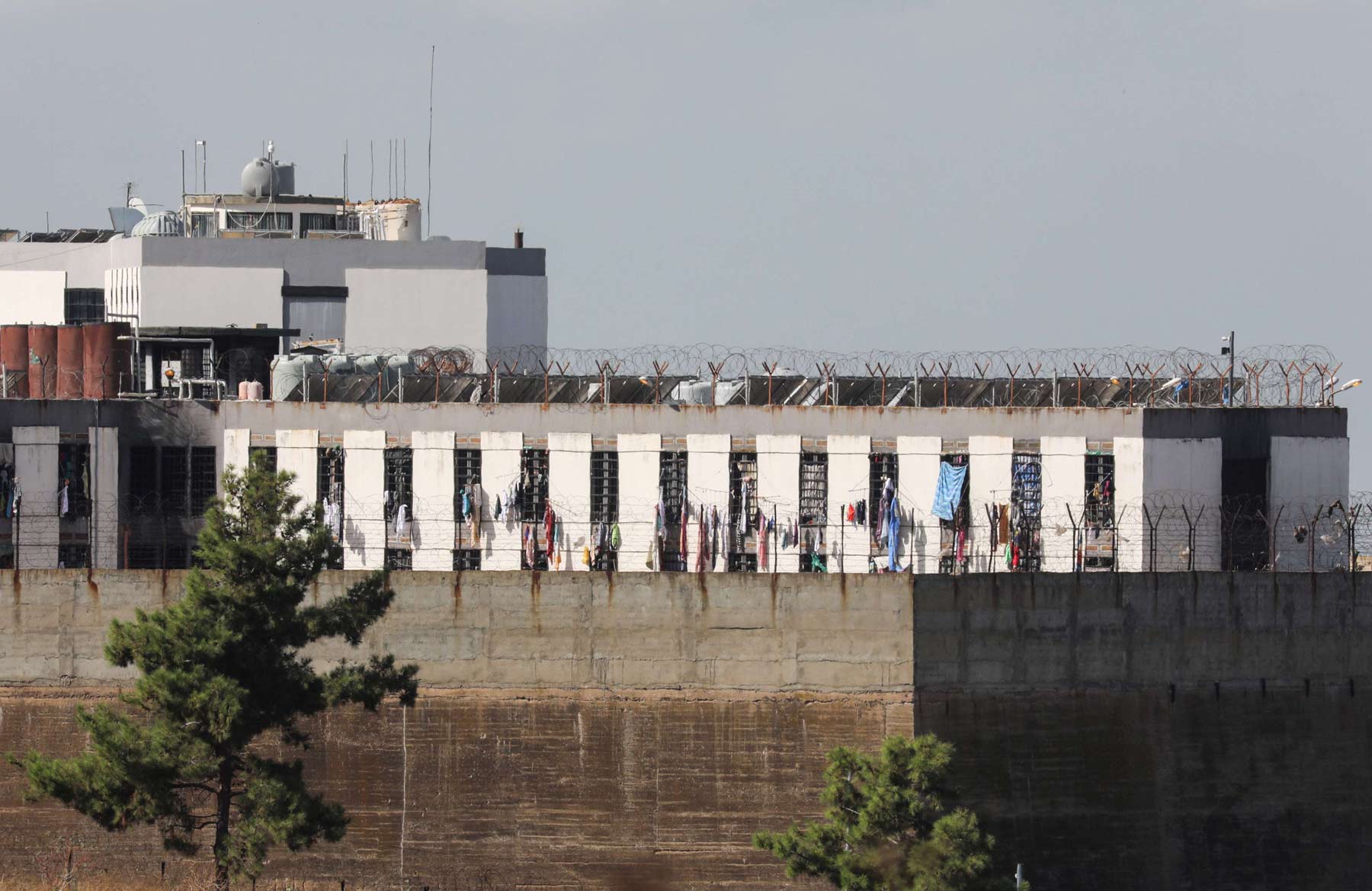
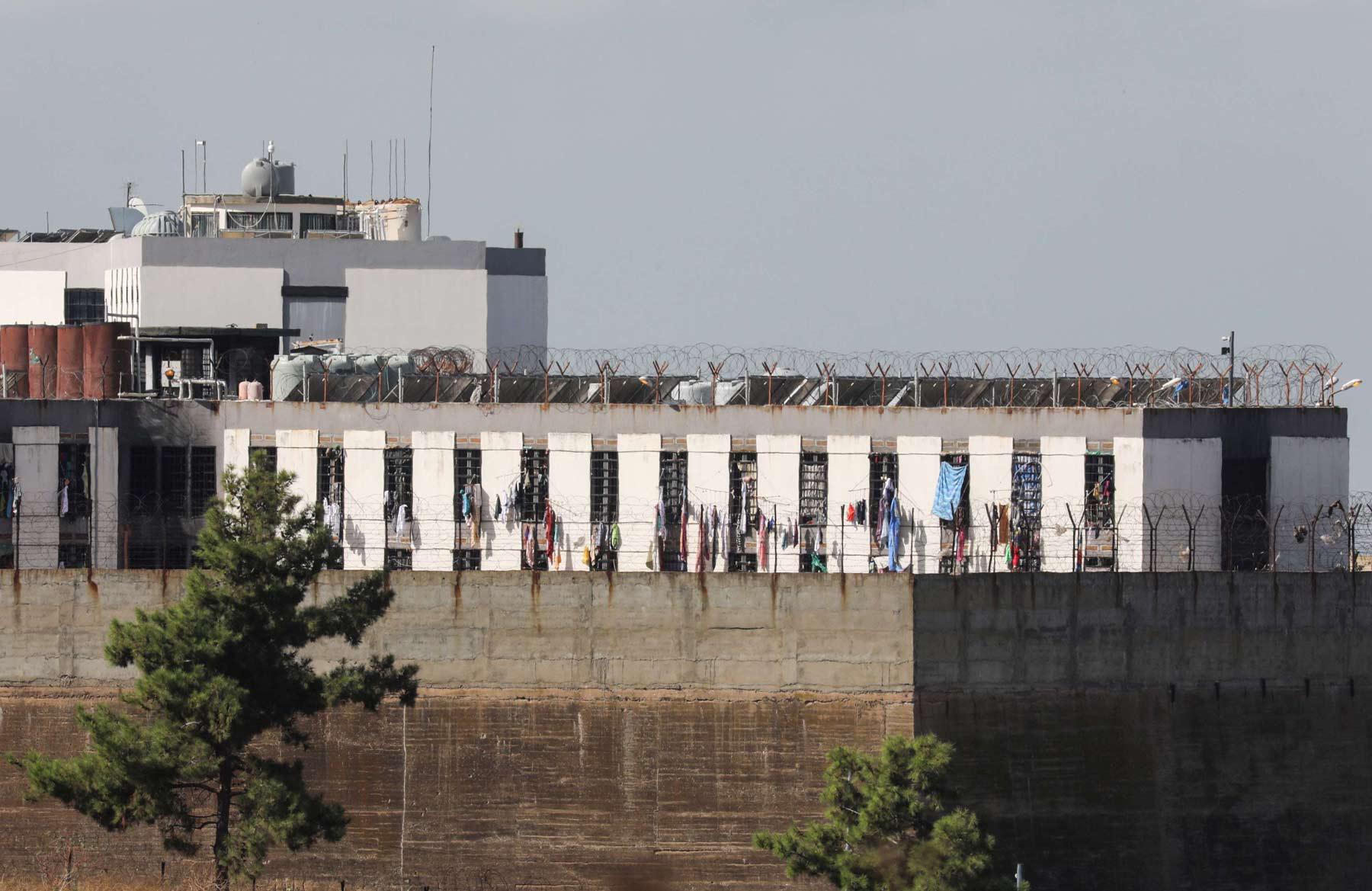
Lebanon's prisons, particularly Roumieh prison, the country's largest detention facility, have long struggled with overcrowding. Thousands of Syrian nationals remain incarcerated or awaiting trial in Lebanese prisons, many of them arrested during the most turbulent years of the Syrian conflict.
The transfer agreement is viewed by both governments as a practical mechanism to ease pressure on Lebanon's prison system while providing a legal framework for Syrian prisoners to complete their sentences in their own country.