

In the crosshairs of Iranian conservative media
Lebanon president’s criticism of Iran triggers diplomatic, media backlash
Iranian newspapers “Farhikhtegan” published a highly critical article accusing Aoun of aligning himself with American and Israeli positions and sarcastically portraying him as the representative of Netanyahu in Beirut.
Tuesday 09/06/2026
In the crosshairs of Iranian conservative media
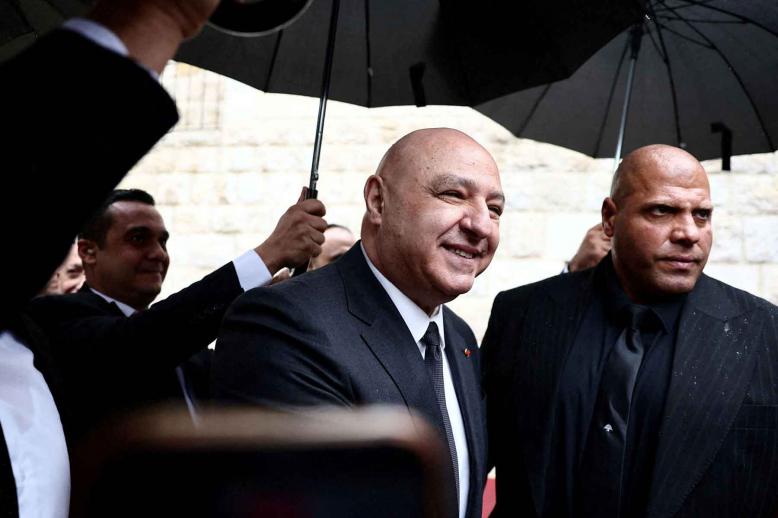
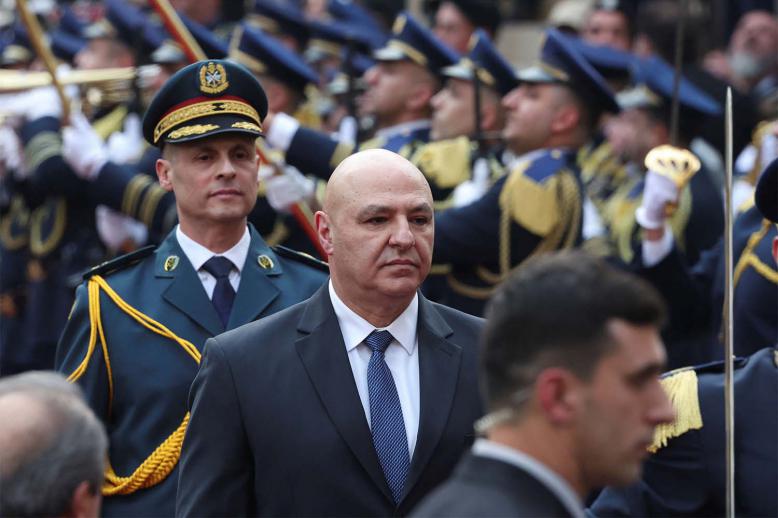
BEIRUT – A widening dispute between Lebanon and Iran intensified this week after President Joseph Aoun accused Tehran of using Lebanon as a bargaining chip in its confrontation with the United States and Israel, prompting a sharp response from Iranian officials and a coordinated media campaign by conservative outlets in Tehran.
In an interview with CNN, Aoun delivered some of his strongest remarks yet on Iran's role in Lebanon, directly addressing Iran's Revolutionary Guard.
"It is not your country, it is our country," he said.
"You are not trying to help us. It is the Lebanese who are paying the price for your own interests, and our interests do not coincide with yours."
The Lebanese president said he remained determined to prevent the country from being dragged into further conflict, arguing that Lebanese citizens had grown weary of repeated wars between Israel and the Iran-backed Hezbollah movement.
"We are tired and we want to live in peace," Aoun said. "The Lebanese deserve to live with dignity and do not deserve to see their homes destroyed every five or 10 years."
Aoun also announced Lebanon's readiness to engage in direct negotiations with Israel aimed at securing a lasting ceasefire.
"We are ready, willing and committed to negotiate. There is a major opportunity to end the state of war between Lebanese and Israelis," he said, noting that both peoples had suffered from decades of conflict since 1948.
The president stressed that he had detected a growing desire for peace across Lebanese society, including among members of the Shiite community.
"They are Lebanese, not followers of Naim Qassem," he said.
Despite his criticism of Hezbollah's armed role, Aoun argued that military force alone would not eliminate the movement's influence.
"They can invade the country or destroy it completely, but they will not achieve their objective, because Hezbollah is an idea," he said, insisting that negotiation and the strengthening of state institutions remained the only viable path forward.
Aoun, who served as army commander for eight years before becoming president, said his personal experience of conflict had reinforced his preference for diplomacy over war.
"I prefer negotiation to war. I do not want my children or the people of Lebanon to live through the same suffering," he said.
He added that he would seek to persuade Hezbollah to surrender its weapons, while acknowledging that such a process would be difficult and politically costly.
The president's position echoed previous comments by Prime Minister Nawaf Salam, who also urged Tehran to stop using Lebanon as a pressure card in regional confrontations.
Iran swiftly rejected Aoun's accusations. Foreign Minister Abbas Araghchi responded on social media, dismissing suggestions that Tehran controlled Lebanese affairs.
"Based on Mr Aoun's remarks, one might think that Iran is occupying one-fifth of Lebanon, has displaced a quarter of its population and is bombing his country on a daily basis," Araghchi wrote.
"If Lebanon were a bargaining chip in Iran's hands, we would have reached an agreement a long time ago," he added.
The dispute was further inflamed by conservative Iranian newspapers, most notably “Farhikhtegan,” which published a highly critical article accusing Aoun of aligning himself with American and Israeli positions and sarcastically portraying him as the representative of Israeli Prime Minister Benjamin Netanyahu in Beirut.
The article triggered strong reactions in Lebanon, where politicians and commentators condemned the language as an attack on the country's presidency and sovereignty.
Analysts say the backlash reflects deeper concerns in Tehran over Aoun's efforts to strengthen state authority and advance the long-standing objective of restricting arms to official security institutions.
The controversy comes at a particularly sensitive moment. Although Iran and Israel halted attacks on each other on Monday following an appeal by US President Donald Trump, tensions remain high after Tehran warned it would resume strikes if Israel continued attacks against Hezbollah in Lebanon.
Against that backdrop, observers see Aoun's comments as part of a broader effort by Lebanon's new leadership to distance the country from regional conflicts and reassert sovereign decision-making after years in which domestic politics were heavily influenced by wider regional rivalries.
The dispute has reopened debate over the future balance of power in Lebanon, the role of Hezbollah, and the extent to which external actors should shape the country's political and security choices. For Aoun, whose presidency has been built around restoring state authority and preserving stability, the confrontation with Tehran represents one of the earliest and most consequential tests of his tenure.