


Ongoing escalation
Lebanon says Israeli strikes undermine ceasefire as army deploys south
Aoun said the latest Israeli strikes raised “many questions,” particularly as they came on the eve of a meeting on Wednesday of the ceasefire monitoring mechanism committee.
Tuesday 06/01/2026
Ongoing escalation
BEIRUT –
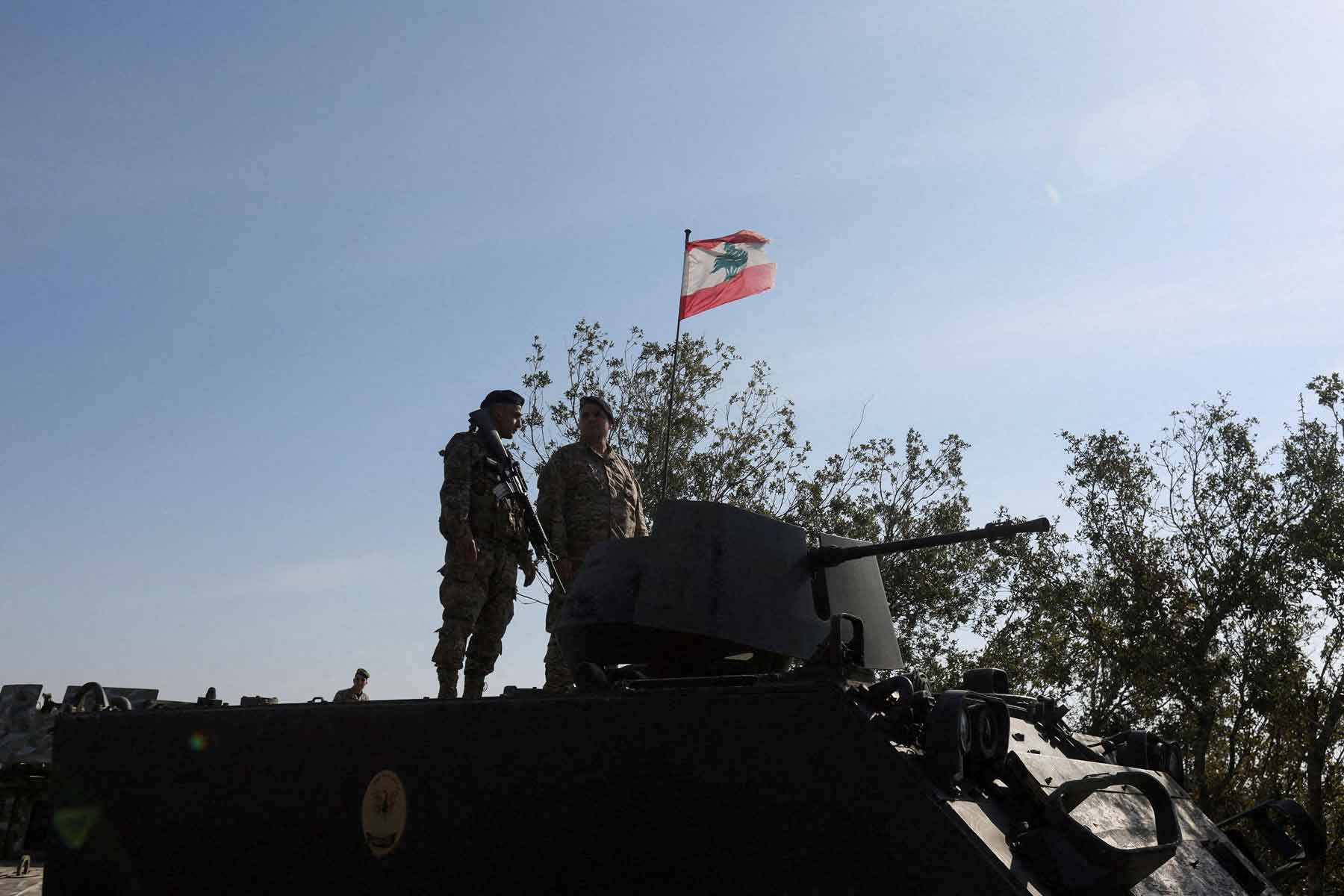
Lebanese President Joseph Aoun said on Tuesday that the army had carried out government measures to extend state authority south of the Litani river with “professionalism, commitment and precision,” warning that continued Israeli attacks were undermining efforts to halt escalation.
Aoun’s comments came amid a sharp Israeli escalation, including air strikes late on Monday on towns in southern and eastern Lebanon following Israeli military warnings of what it said were Hezbollah and Hamas infrastructure sites.
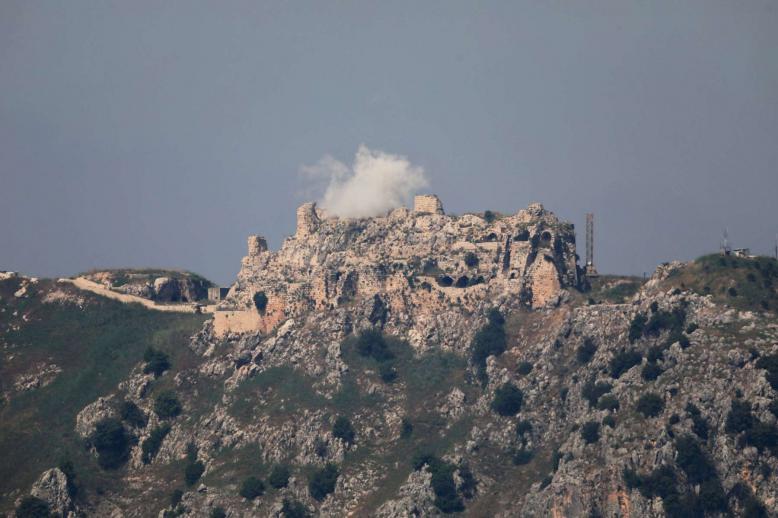
An Israeli strike with two missiles hit a three-storey building in the industrial area of Siniq-Ghaziyeh near the southern city of Sidon early on Tuesday, wounding one person, Lebanese security sources said.
In a statement condemning the attacks, Aoun said the strikes aimed to “thwart all local, regional and international efforts to stop the ongoing Israeli escalation,” despite what he described as Lebanon’s cooperation with those initiatives.
Israel says the Iran-backed Hezbollah group is rebuilding its military capabilities to prepare for new attacks, a charge Hezbollah denies.
The Lebanese army said on November 27, 2024 that it had begun completing its deployment in the south following the entry into force of a ceasefire between Israel and Hezbollah, acting under a mandate from the Lebanese government.
Prime Minister Nawaf Salam said in late December that the first phase of the army’s plan to enforce the state’s monopoly on weapons south of the Litani river, including Hezbollah arms, was nearing completion, adding that Lebanon was ready to move to a second phase extending north to the Awali river, provided the army received sufficient support.
Aoun said the latest Israeli strikes raised “many questions,” particularly as they came on the eve of a meeting on Wednesday of the ceasefire monitoring mechanism committee.
Israeli media reported on Tuesday that Israel does not intend to dismantle five military positions it occupies in southern Lebanon. An Israeli security source told the Walla news website there was “no intention to remove the five Israeli military sites in Lebanese territory,” warning that Israel could also strike Beirut’s southern suburbs if necessary.
The source said Israel was concerned that Hezbollah was not only retaining weapons but coordinating with the Lebanese army, allegations denied by Lebanese officials. The source added that Israel had shared what it described as reliable information with the United States.
The monitoring mechanism brings together Lebanon, Israel and the United Nations Interim Force in Lebanon (UNIFIL), under US and French sponsorship, to oversee implementation of the ceasefire and UN Security Council Resolution 1701.
The resolution, adopted in 2006, calls for a full cessation of hostilities, Israeli withdrawal to the international border, the release of Lebanese detainees and the full deployment of the Lebanese army in the south.
Aoun urged the international community to intervene “effectively” to halt Israel’s attacks and to enable the monitoring committee to carry out its mandate with international backing.
Israeli media have reported in recent weeks that the Israeli military has completed preparations for a potential large-scale offensive against Hezbollah targets if Lebanese authorities fail to dismantle the group’s weapons.
Israel continues to occupy five hills in southern Lebanon seized during the latest war, in addition to areas it has held for decades.
The ceasefire ended an Israeli offensive that began in October 2023 and escalated into full-scale war in September 2024, killing more than 4,000 people and wounding about 17,000, according to Lebanese authorities.