

Delicate balancing act
Lebanon treads carefully as US pushes for Aoun-Netanyahu meeting
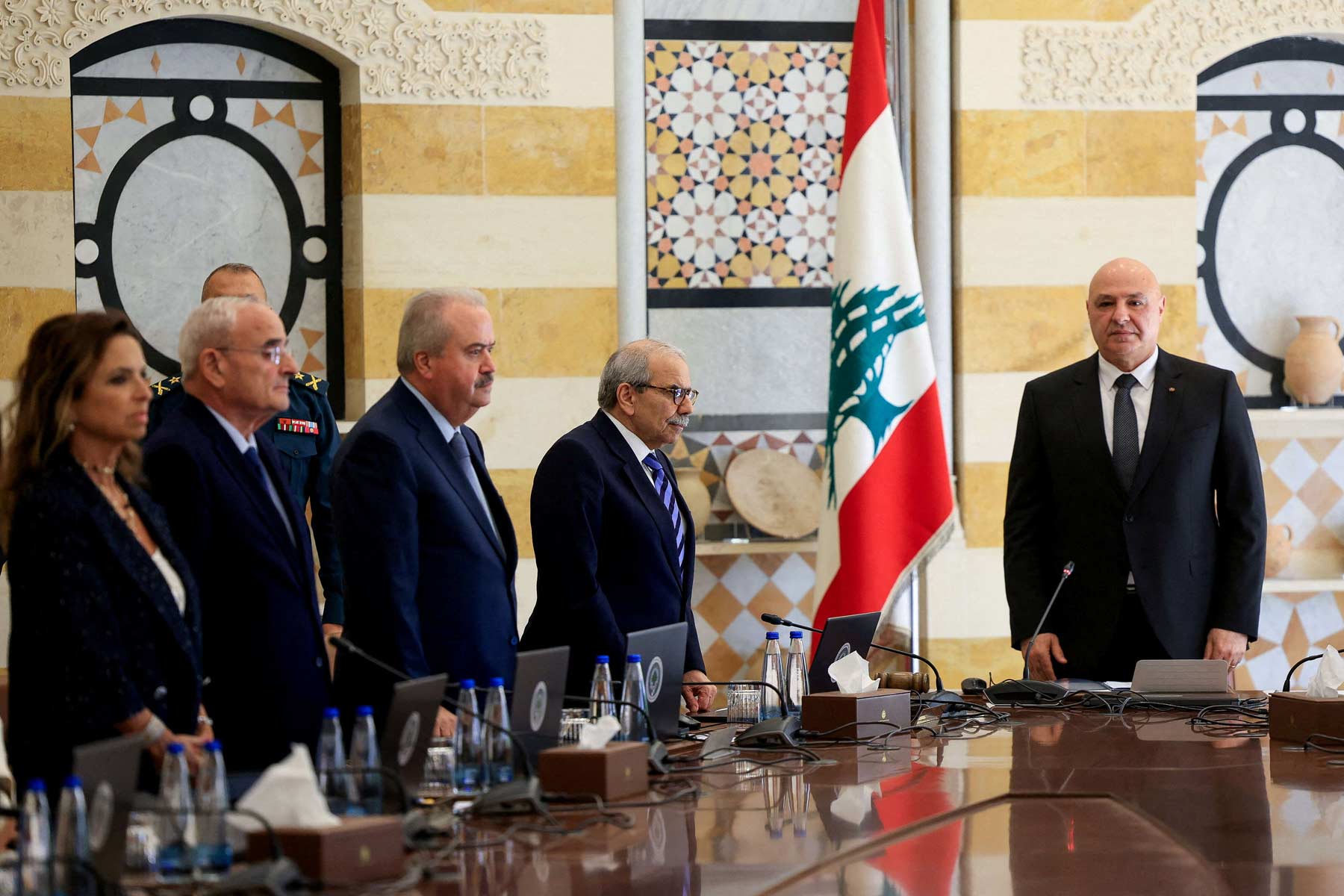
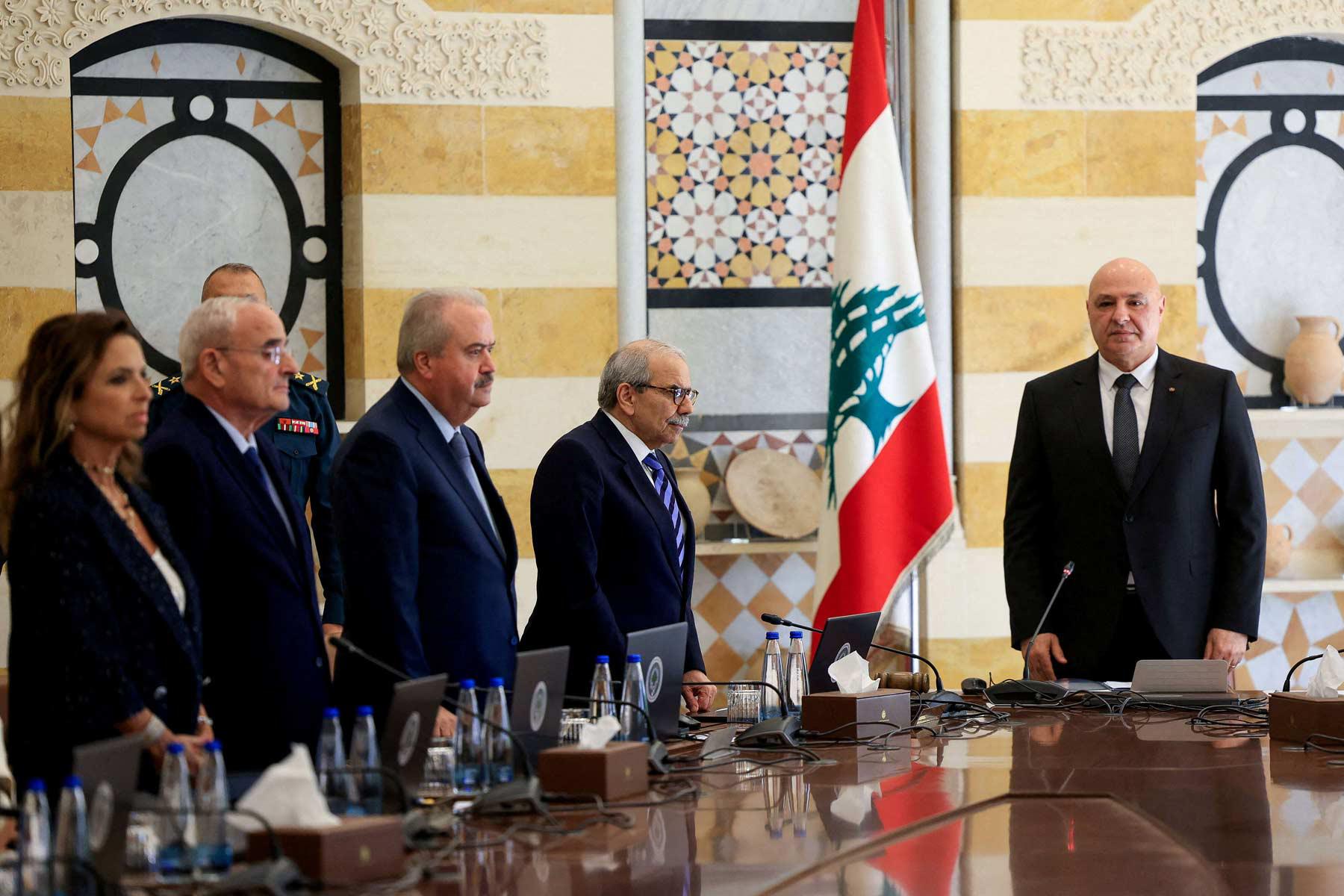
During a meeting with MP Sethrida Geagea and members of the Lebanese Forces bloc, Aoun said Lebanon would continue along the negotiation path “because there is no other choice.”
Thursday 07/05/2026
Delicate balancing act
BEIRUT – Lebanon is increasingly open to direct contacts and negotiations with Israel as part of efforts to end the conflict along its southern border, but deep political sensitivities and domestic divisions continue to block any move toward a high-level meeting between Lebanese President Joseph Aoun and Israeli Prime Minister Benjamin Netanyahu.
Lebanese officials are approaching US-backed proposals for direct political engagement with extreme caution amid mounting military and diplomatic pressure linked to negotiations between Beirut and Tel Aviv.
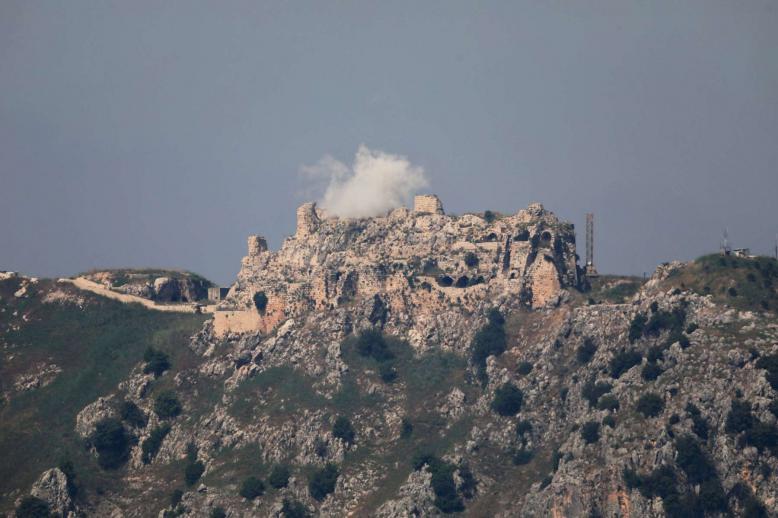
While Washington is seeking to accelerate political and security talks between the two sides, Lebanese leaders fear that any premature public meeting between Aoun and Netanyahu could ignite internal tensions, particularly as Israeli military operations continue in southern Lebanon and Israeli forces remain deployed in occupied areas of the south.
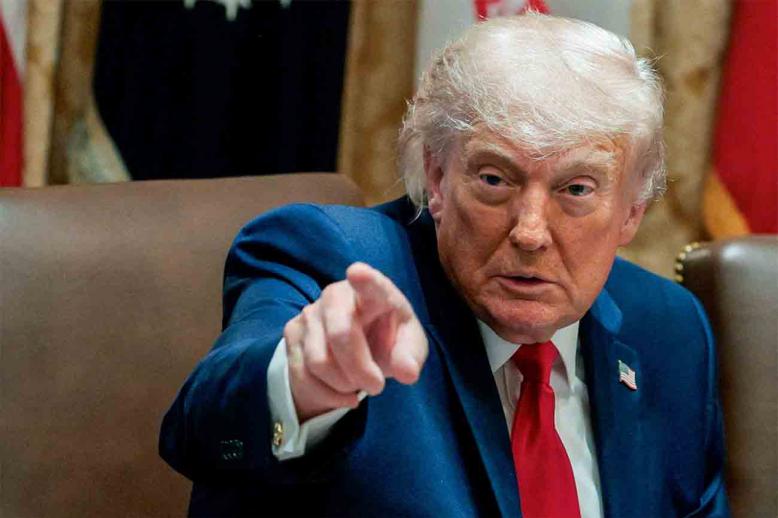
According to political observers, the US ambassador in Beirut Michel Issa has floated the idea of a trilateral meeting bringing together Aoun, Netanyahu and US President Donald Trump at the White House as a possible gateway to broader negotiations between Lebanon and Israel.
The proposal emerged after the US embassy in Beirut reportedly linked Lebanon obtaining “guarantees for its full sovereignty” to a direct meeting between the Lebanese president and the Israeli premier. The embassy suggested such a meeting could pave the way for security and border arrangements, alongside humanitarian support and reconstruction guarantees backed by Washington.
However, Aoun quickly drew a red line around the proposal, stressing that the timing was not suitable for any meeting with Netanyahu before a security agreement is reached and Israeli attacks on Lebanon come to an end.
During a meeting on Monday at Baabda Palace with MP Sethrida Geagea and members of the Lebanese Forces bloc, Aoun said Lebanon would continue along the negotiation path “because there is no other choice.” He said Beirut’s primary objectives were securing Israel’s withdrawal from occupied Lebanese territory, recovering detainees and restoring stability along the southern border.
Political analyst and journalist Youssef Diab said Lebanese-Israeli negotiations had “not actually started yet”, explaining that discussions so far had been limited to preparatory meetings between the Lebanese and Israeli ambassadors in Washington under US sponsorship.
“The American administration is trying to launch negotiations from a high political level through a direct meeting between Aoun and Netanyahu,” Diab told Anadolu Agency. “But Lebanon insists that any such meeting should come as the result of a negotiating process that achieves tangible goals, foremost among them ending the war and securing an Israeli withdrawal.”
According to Diab, Beirut is wary of handing Netanyahu a political achievement that Israel failed to secure militarily, particularly as clashes continue in southern Lebanon and Israeli pressure on the ground intensifies.
He warned that an ill-prepared summit could trigger “serious internal tensions” and potentially fuel political and security unrest, prompting Lebanese authorities to move cautiously rather than rush into talks.
Diab also stressed that Beirut remains committed to the 2002 Arab Peace Initiative adopted at the Beirut summit, which conditions any comprehensive peace with Israel on a full Israeli withdrawal from occupied Arab territories and the establishment of an independent Palestinian state with East Jerusalem as its capital.
Political analyst and columnist Mounir Rabih said a number of proposals were currently being discussed between Lebanon, the United States and Arab and Western states aimed at avoiding a direct Aoun-Netanyahu meeting at this stage.
One scenario under discussion, he said, would involve inviting Aoun to a bilateral meeting with Trump, followed by separate talks between the US president and Netanyahu, after which Trump would announce a general framework for negotiations between Lebanon and Israel.
According to Rabih, the proposal is designed to spare Aoun domestic embarrassment and preserve Lebanon’s fragile political balance while awaiting preliminary understandings on halting military operations and securing an Israeli withdrawal.
At the same time, preparations are reportedly under way for a third round of lower-level talks between Lebanon’s ambassador to Washington Nada Hamadeh and Israel’s ambassador Yechiel Leiter ahead of possible direct negotiations between official delegations.
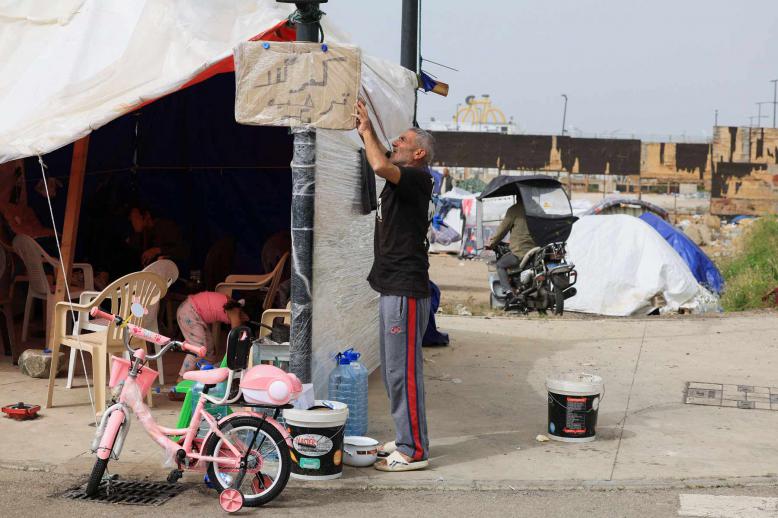
Lebanese and Israeli representatives already held two rounds of discussions in Washington on April 14 and April 23 as preliminary steps toward peace negotiations. However, Israel has continued to violate the ceasefire declared on April 17, which is due to remain in force until May 17, with strikes causing civilian casualties and injuries, according to Lebanese officials.
Political analyst George Akouri said the current pressure on Beirut stemmed directly from the military realities on the ground and the devastating human and material losses suffered by Lebanon during the conflict.
“The Lebanese state now finds itself facing difficult choices amid a severe imbalance in power,” Akouri said, adding that Beirut’s overriding priority was stopping the war “even if that requires exceptional political choices.”
He noted that the final decision on any possible meeting with Netanyahu would remain in Aoun’s hands, based on calculations of political and national cost.
Meanwhile, Hezbollah continues to reject the idea of direct negotiations with Israel. Hezbollah Secretary-General Naim Qassem has described direct talks as a “free concession” benefiting both Tel Aviv and Washington, while nevertheless supporting any diplomatic process capable of ending hostilities and implementing the ceasefire agreement.
Despite Lebanon’s growing openness to negotiations, officials insist that the process should not be interpreted as a move toward normalisation with Israel. Lebanese leaders continue to emphasise Beirut’s adherence to the Arab Peace Initiative and reject any political steps that could be seen domestically as premature normalisation.
As Israeli military operations continue in southern Lebanon, Beirut appears determined to separate security negotiations from broader political engagement with Israel in a country where internal sensitivities over relations with the Jewish state remain highly combustible.
Israel continues to occupy areas in southern Lebanon, some held for decades and others seized during fighting between October 2023 and November 2024. During the current confrontation, Israeli forces have also advanced roughly 10 kilometres into Lebanese territory.