

Internal battle threatens to reshape Shia alliances
Maliki-Sudani rivalry intensifies political crisis in Iraq
Political analysts say the dispute between Maliki and Sudani represents a key test of the Shia bloc’s ability to manage its internal balance.
Wednesday 24/12/2025
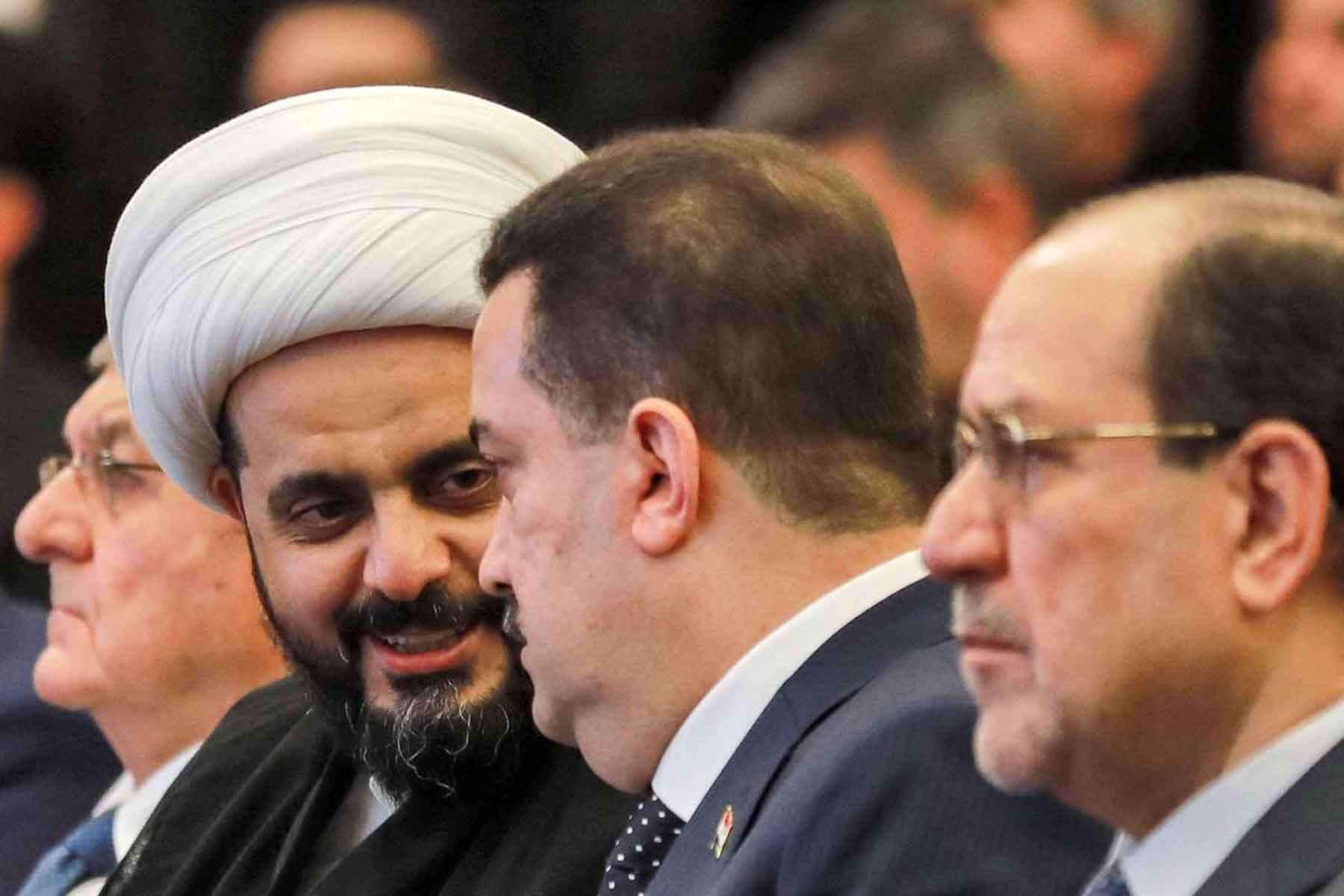
Internal battle threatens to reshape Shia alliances
BAGHDAD –
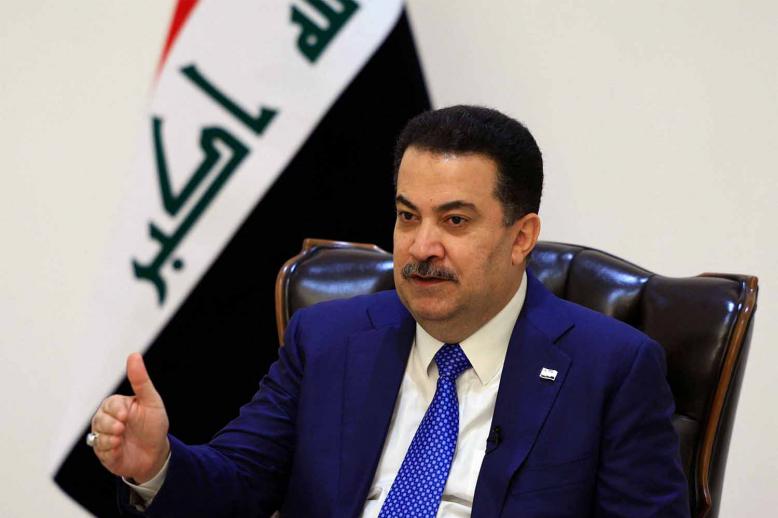
Tensions are rising within Iraq’s Shia political bloc after the State of Law coalition on Tuesday rejected a proposal by the Reconstruction and Development coalition, led by outgoing Prime Minister Mohammed Shiaa al-Sudani, aimed at selecting the largest bloc’s nominee for the country’s next government.
A State of Law MP Ibtisam al-Hilali told Shafaq News that “the Reconstruction and Development initiative is an attempt by Sudani to secure a second term, which we categorically reject.”
She added that leaders of the Coordination Framework had previously informed Sudani of their opposition to renewing his mandate due to “several reasons, including incorrect decisions, external interference in domestic affairs and the economic deterioration that has plunged the country into a deep crisis.”
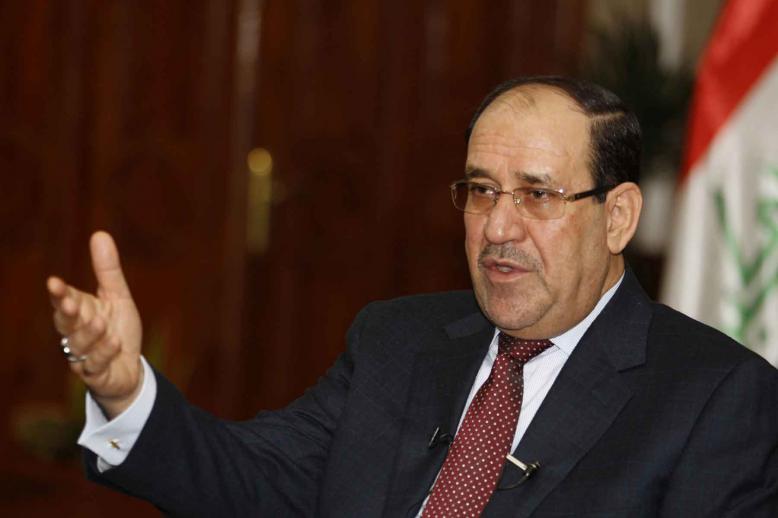
The remarks mark an escalation in the political confrontation between the two wings of Iraq’s Shia alliance. The State of Law coalition insists on nominating its former leader Nouri al-Maliki as the next prime minister, arguing that he enjoys backing from Sunni and Kurdish parties, signalling complex alliances that could influence the outcome of the next government formation.
These developments come as Baghdad seeks to end a political deadlock following recent legislative elections. The Coordination Framework faces internal and external pressure to agree on a prime ministerial candidate before the constitutional deadline for forming new institutions.
Political analysts say the dispute between Maliki and Sudani represents a key test of the Shia bloc’s ability to manage its internal balance, especially after the divisions that emerged during the formation of the previous government, which contributed to a series of economic and political crises.
The Reconstruction and Development coalition had proposed a framework to select the prime ministerial candidate through consensus within the Coordination Framework, setting criteria such as executive experience and national acceptance, with an alternative option based on the electoral weight of the blocs if consensus could not be reached. The initiative was intended to prevent a political deadlock and ensure the process remained within constitutional timelines.
However, the State of Law coalition’s rejection suggests the confrontation is unlikely to remain limited to a political disagreement and may evolve into an open struggle within the Coordination Framework, potentially affecting the government formation process. Observers note that the dispute reflects deep divisions within the Shia bloc between those favouring continuity of certain leaders and those advocating for renewal in line with party base expectations and pressures from economic and political challenges.
Sources indicate that the Coordination Framework will select its final candidate after the first session of parliament, including the election of the president and deputies, making constitutional deadlines a key motivator for intensified consultations between rival parties. Political commentators suggest that the bloc’s ability to reach agreement will largely determine its internal stability and its leverage in negotiations with Sunni and Kurdish forces, whose support is pivotal for any government consensus.
Despite the various initiatives, the prime ministerial file remains contingent on Shia bloc dynamics. The State of Law coalition’s rejection of Sudani poses a significant challenge to efforts to unite the bloc behind a single candidate, raising questions about future cooperation between the factions and their capacity to overcome internal divisions at a critical time, as Iraq faces severe economic and political challenges.
Meanwhile, the Iraqi public watches closely as this internal battle threatens to reshape Shia alliances and influence the country’s path towards forming a strong government capable of tackling pressing crises without being mired in protracted internal conflicts.