

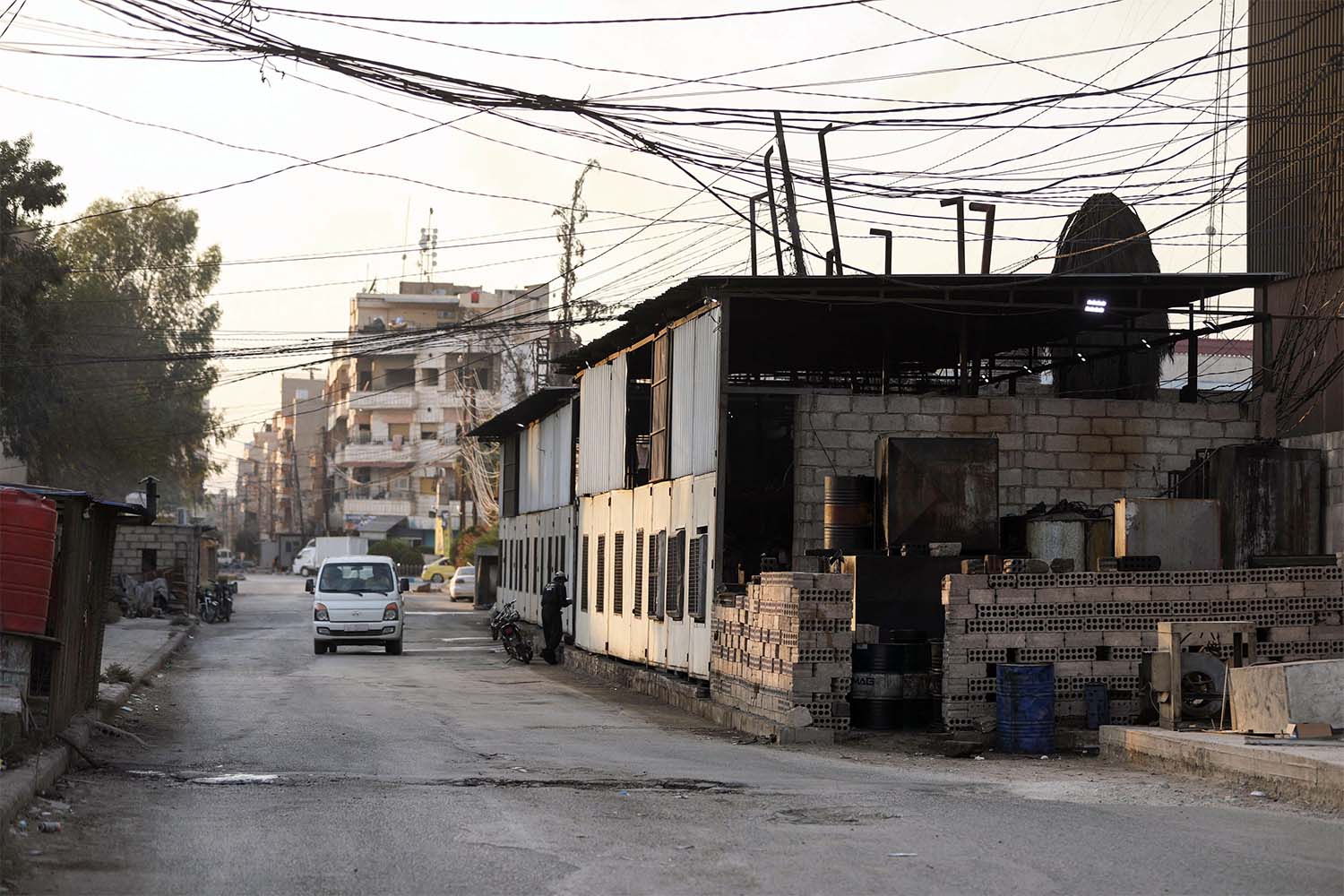
The price hike for public electricity has simultaneously caused a spike in the cost of power from private generator operators
Massive electricity price hikes infuriate Syrians
The Syrian government’s decision to drastically raise electricity prices will have a domino effect on many sectors that will be forced to pass on the electricity price rises to consumers.
Thursday 06/11/2025
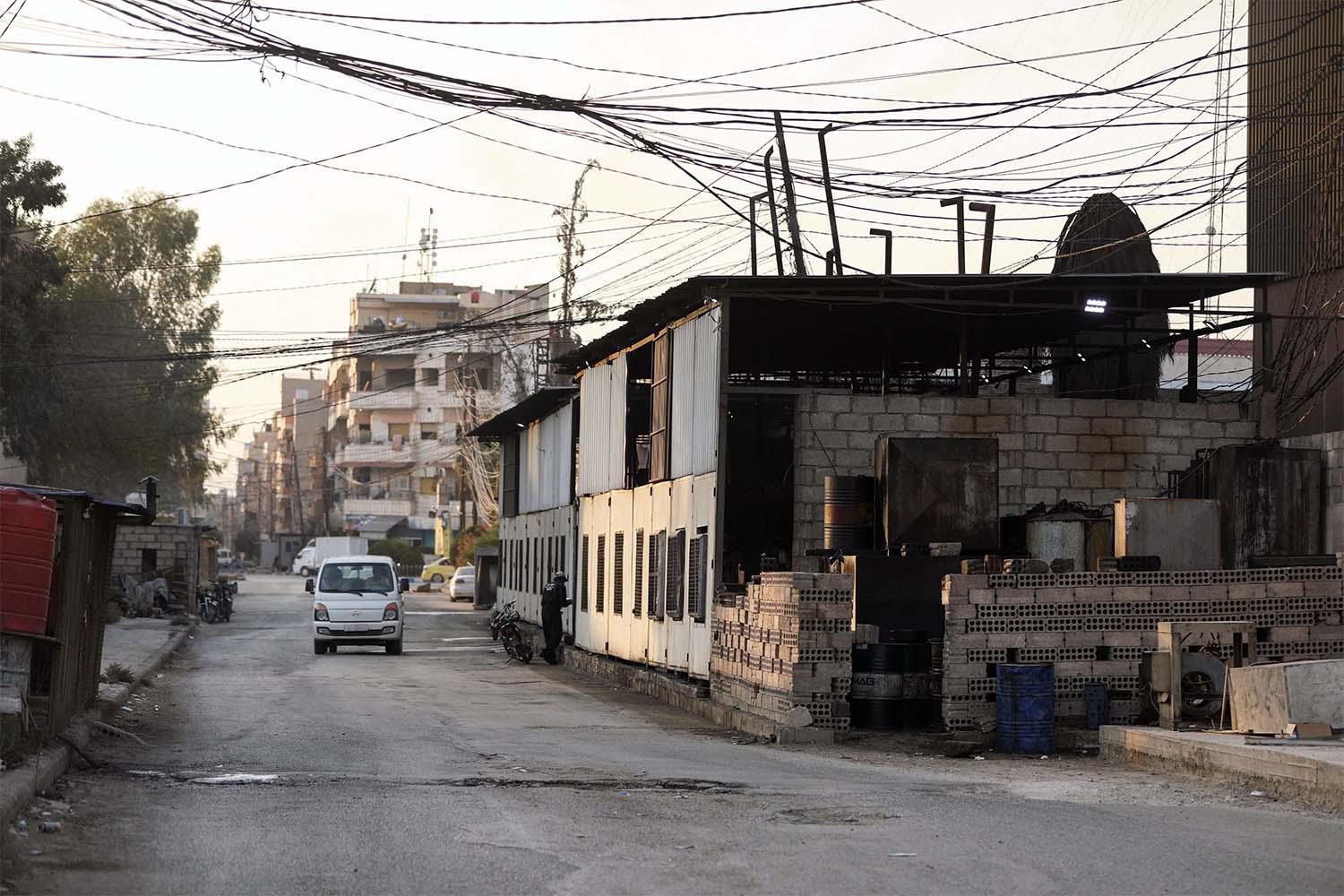
The price hike for public electricity has simultaneously caused a spike in the cost of power from private generator operators
DAMASCUS – In a move that feels like another turn of the screw for a war-weary population, the Syrian government has enacted steep hikes in electricity tariffs, effectively plunging millions of citizens into a deeper economic abyss.
Last month, the energy ministry raised prices by at least 60 times compared to the previous tariff.
The decision, part of a series of austerity measures, is more than a utility bill increase; it is a catalyst for a cascading humanitarian crisis, further crippling daily life, crippling businesses, and extinguishing hopes for recovery.
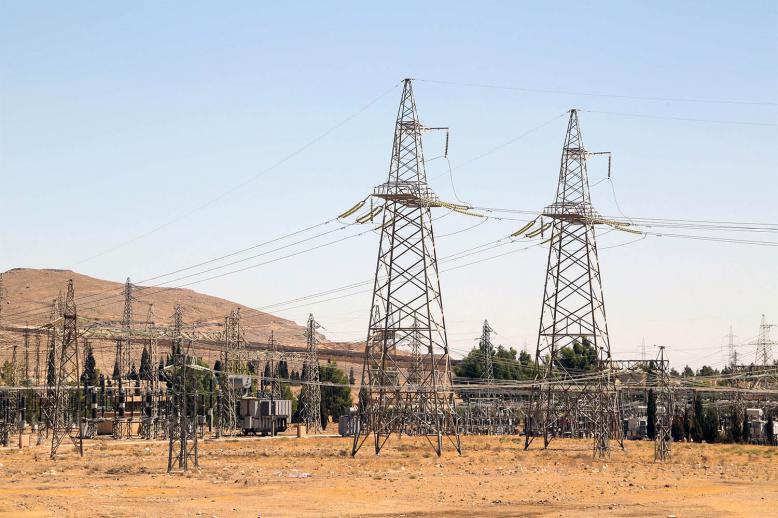
For over a decade, Syrians have grown accustomed to a life punctuated by power cuts. The civil war decimated the national grid, reducing once-constant electricity to a few precious hours a day in major cities, and a rare luxury in others.
To survive, households and businesses turned to expensive private alternatives: diesel generators and, for those who can afford it, solar panels.
Now, even the scant, state-provided power has become a significant financial burden.
From Inconvenience to Insurmountable Cost
The new tariff structure, which came into effect recently, represents a staggering increase. Reports and citizen accounts from various provinces indicate that bills have multiplied, in some cases soaring by 200 to 300 percent. For a family already spending 80-90% of its income on food, an electricity bill that now equals a week's worth of bread is an impossible choice.
"The bill for our apartment, where we receive maybe four hours of electricity a day, is now more than my monthly salary as a public sector employee," said Abu Ahmad, a father of three in Damascus. "We are being asked to pay a fortune for a service that is barely there. What are we paying for? The darkness?"
The Domino Effect
Electricity is not a standalone cost. Its hike triggers a chain reaction. The cost of water pumping and distribution rises. The price of bread, a staple food, increases as bakeries struggle with higher operating costs. Refrigeration becomes a luxury, threatening food spoilage and public health.
The price hike for public electricity has simultaneously caused a spike in the cost of power from private generator operators. These operators, facing their own rising costs for fuel and maintenance, have passed the burden directly to subscribers. Many now find themselves paying two exorbitant bills: one for the public grid they barely use, and another for the private generator that is their lifeline.
Small businesses, the fragile backbone of Syria's shattered economy, are being pushed to the brink. Workshops, tailors, grocery stores, and cafés cannot absorb the new energy costs. Many are forced to reduce operating hours, lay off employees, or shut down entirely.
"My workshop is silent now," said a carpenter in Aleppo. "I can't run my machines on generator power with these prices. It's cheaper to close the doors."
A Deepening Humanitarian Catastrophe
The electricity crisis is inextricably linked to the larger economic collapse in Syria, characterized by a currency in freefall, rampant inflation, and widespread poverty. The World Food Programme estimates over 12 million Syrians are food insecure. The energy price hikes ensure that this number will only grow.
Hospitals, already struggling with shortages of medicine and equipment, now face an agonizing dilemma: power life-saving equipment or face bankruptcy. Universities and students, who rely on the internet and light for study, see their opportunities for advancement dim further.
A Symbol of Systemic Collapse
Beyond the immediate economic pain, the electricity hike has become a potent symbol of the systemic failure and the seemingly unbridgeable gap between the government and the governed. For many Syrians, it underscores a brutal reality: the state can no longer provide the most basic services, yet it continues to demand more from its impoverished citizens.
As the international community grapples with the broader political stalemate in Syria, the daily reality for millions is one of choosing between light, food, and medicine. The recent electricity tariff hikes are not just a policy change; they are a sentence to a darker, colder, and more desperate existence, deepening the wounds of a nation that has already bled for too long.