

More than an article of clothing
Moroccan caftan reclaims Ramadan spotlight, fusing heritage, modernity
Moroccan designer Selma Benomar recently unveiled her Ramadan 2026 collection, offering a compelling artistic vision that bridges heritage and modernity.
Monday 09/02/2026
More than an article of clothing
RABAT – Each year, as Ramadan begins, the Moroccan caftan returns to the forefront of social life in Morocco and across the Arab world, embodying a distinctive blend of elegance, heritage and celebration.
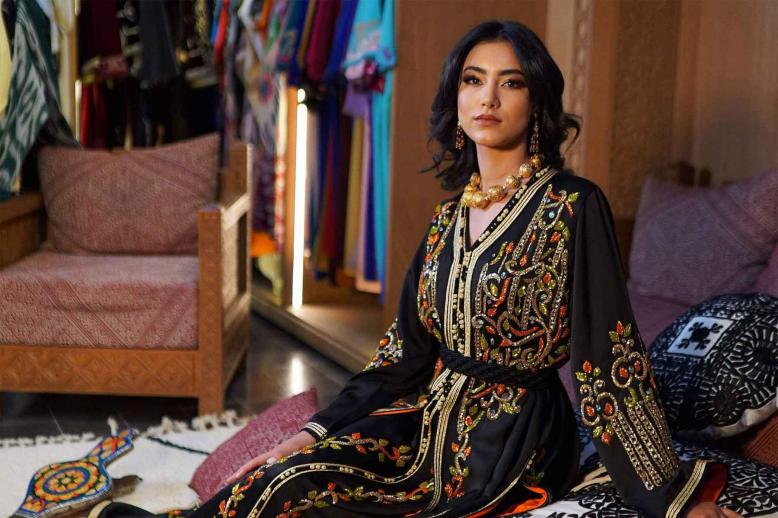
During the sacred month’s evenings, from intimate family iftars to vibrant gatherings that stretch late into the night, the caftan becomes more than an article of clothing. It evolves into a visual language of belonging, allowing women to reconnect with collective memory through the expressive power of dress. Its presence transcends its status as a traditional garment, becoming part of a deeply-rooted social ritual infused with meanings of joy, identity and continuity.
In Western capitals home to large Arab and Moroccan diasporas, the caftan acquires an additional symbolic resonance. It stands not merely as attire, but as a cultural bridge linking younger generations to their origins. Wearing the caftan during Ramadan dinners or family celebrations becomes an intentional act of cultural affirmation, reconnecting past and present, and preserving identity within increasingly multicultural environments.
In cities such as Paris, London and Montreal, the caftan has become an integral element of Ramadan celebrations. As the rhythms of traditional music mingle with the warmth of communal gatherings, the garment emerges as a proud declaration of heritage, embodying both nostalgia and contemporary belonging.
Across Morocco’s major urban centres, including Rabat, Casablanca and Marrakech, preparations begin weeks before Ramadan. Boutiques and artisan workshops unveil their latest creations, heralding the arrival of a vibrant season anticipated with equal enthusiasm by designers and clients. The atmosphere reflects not only commercial vitality but also the enduring emotional and cultural significance attached to the garment.
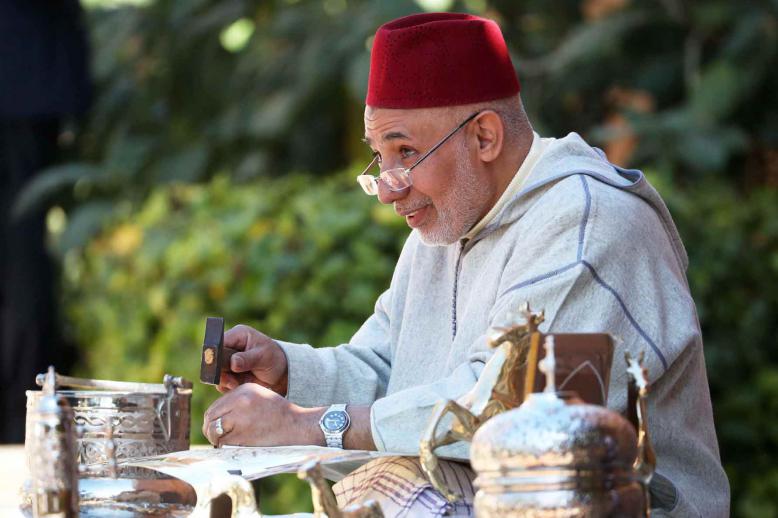
The Moroccan caftan continues to attract growing admiration across the Arab world, prized for the richness of its embroidery, the precision of its detailing and the diversity of its materials. From opulent velvet to ethereal silk and chiffon, and from painstaking hand-stitched embellishments to delicately set stones, each creation reflects artisanal traditions carefully transmitted across generations. This rising demand has encouraged Moroccan designers to push creative boundaries, producing collections that honour ancestral techniques while responding to contemporary aesthetic sensibilities.
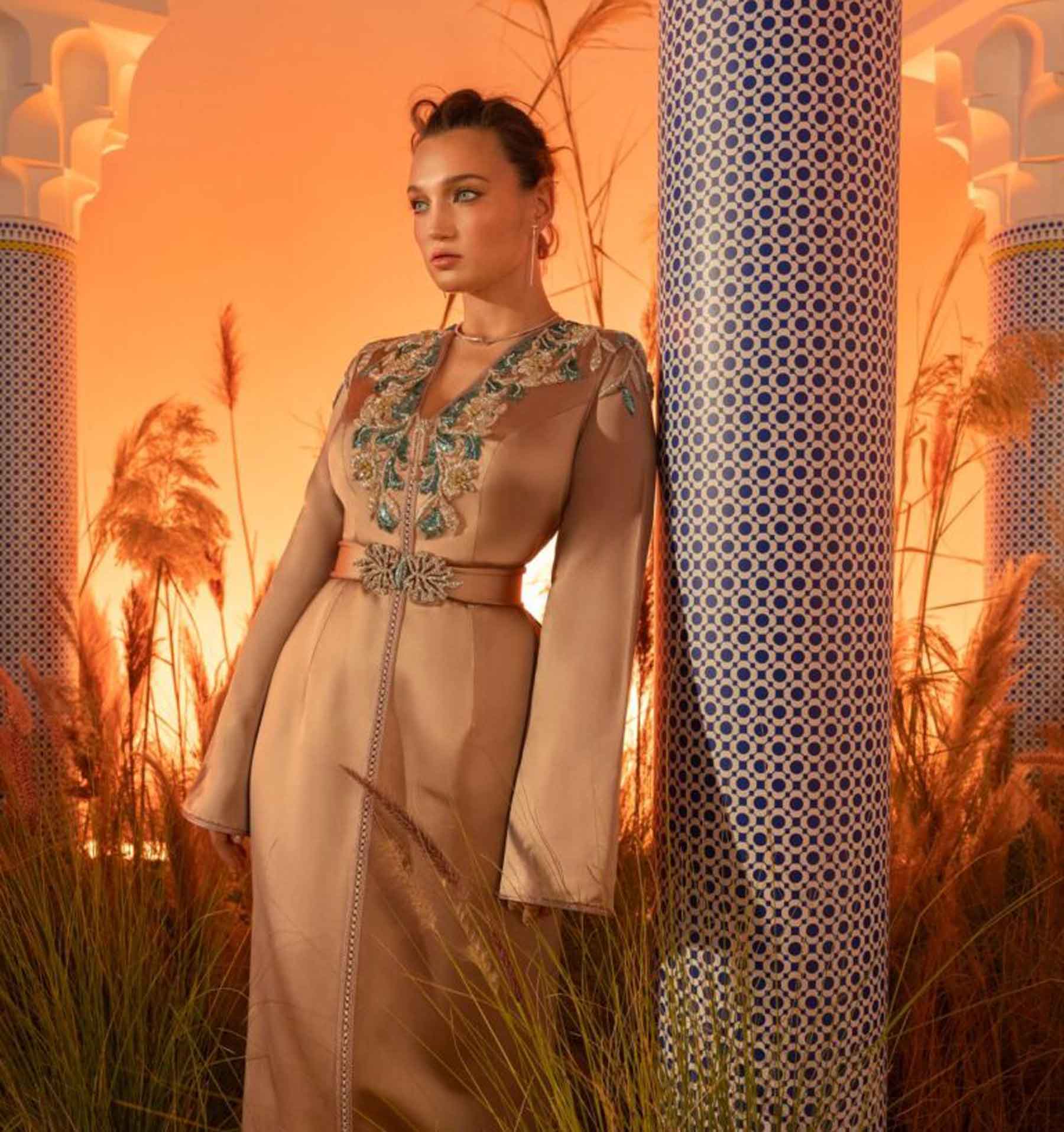
Moroccan designer Selma Benomar recently unveiled her Ramadan 2026 collection, offering a compelling artistic vision that bridges heritage and modernity. Her designs move beyond conventional interpretations, embracing bolder silhouettes, innovative fabric combinations and refined colour palettes. Drawing inspiration from Morocco’s architectural heritage while incorporating global fashion influences, Benomar’s creations preserve the soul of the caftan while addressing the aspirations of modern women seeking distinction and individuality.
The caftan’s enduring appeal lies in its remarkable capacity for reinvention without sacrificing its symbolic depth. It remains firmly anchored in its historical identity, yet continues to serve as an expansive canvas for experimentation and artistic renewal.
Contemporary designers are acutely aware that today’s women seek garments that combine elegance with comfort and practicality. As a result, many modern caftans emphasise fluidity, lightness and ease of wear, while retaining the ceremonial aura that has long defined the garment.
Beyond its seasonal prominence, the caftan has established a lasting presence on the international fashion stage. No longer confined to traditional celebrations, it now features prominently at global fashion showcases. In Paris, London and Dubai, the caftan is presented as an emblem of craftsmanship and luxury, reflecting its ability to transcend cultural boundaries and claim its place alongside the world’s most refined couture traditions.
Its growing influence extends into the world of celebrity, where it has become a preferred choice for Arab and Moroccan artists during Ramadan and major public appearances. The appearances of performers such as Haifa Wehbe, Dounia Batma, Salma Rachid, Latifa Raafat and Asma Lmnawar have amplified the caftan’s visibility, reinforcing its status as both a statement of aesthetic refinement and a powerful symbol of cultural pride.
In recent years, a new generation of Moroccan designers has sought to elevate the caftan’s global stature. Designer Lamia Akil has presented contemporary interpretations on international platforms, demonstrating the garment’s capacity to compete with leading couture in both craftsmanship and design excellence. Benomar herself was honoured with the EMIGALA Fashion and Beauty Awards 2025 in recognition of her creative contributions, while designers such as Laila Aziz and Bassma Boussel have played an important role in expanding the caftan’s international appeal through innovative collections designed for a global audience.
Meanwhile, Marrakech is preparing to host the 26th edition of Caftan Week, one of Morocco’s most prominent fashion events, organised by Femmes du Maroc magazine and scheduled to take place from May 7 to 10. The event has become a major cultural milestone, celebrating the caftan not merely as attire, but as a living symbol of identity, heritage and artistic expression.
This year’s edition, held under the theme “Breath of the Atlas,” pays tribute to Morocco’s Atlas region, a land rich in traditions, craftsmanship and inherited knowledge. The region, with its profound cultural and human depth, has long served as a wellspring of artistic inspiration, offering designers a rich visual and symbolic vocabulary.
The theme reflects Caftan Week’s ongoing commitment to exploring Morocco’s diverse cultural landscapes, following its 2025 silver jubilee edition, which honoured the Moroccan Sahara as a source of creative inspiration.
Through “Breath of the Atlas”, the event invites designers to reinterpret the caftan by drawing inspiration from natural materials, regional craftsmanship and cultural heritage, within a contemporary framework that balances innovation with fidelity to tradition. This approach seeks to reimagine the caftan in dialogue with the present, while safeguarding its deeply rooted cultural identity.
This year’s edition carries particular significance following UNESCO’s inclusion of the Moroccan caftan on its list of Intangible Cultural Heritage of Humanity, an international recognition of Morocco’s sustained efforts to preserve and transmit this iconic garment across generations. The designation underscores the caftan’s importance not merely as fashion, but as an enduring cultural legacy.
Following a rigorous selection process designed to reflect creative diversity and thematic relevance, thirteen designers have been chosen to present their collections: Selma Benomar, Myriam Bouafi, Mouad Chafai, Zineb Ftihi Adrab, Zainab Fatihi Aderrab, Sara Hilali, Mao Lakhdar, Hind Lamtiri, Houda Larini, Asmaa Naji, Selma Senaoui, Amal Soussi Aouad and Imane Tadlaoui.
Their collections promise to offer varied interpretations inspired by the Atlas region, weaving together textile heritage, artisanal mastery and creative freedom. The result is a dynamic dialogue between tradition and innovation, reaffirming the Moroccan caftan’s extraordinary capacity to evolve while remaining firmly anchored in its cultural essence, a timeless garment that continues to embody elegance, identity and continuity in an ever-changing world.