

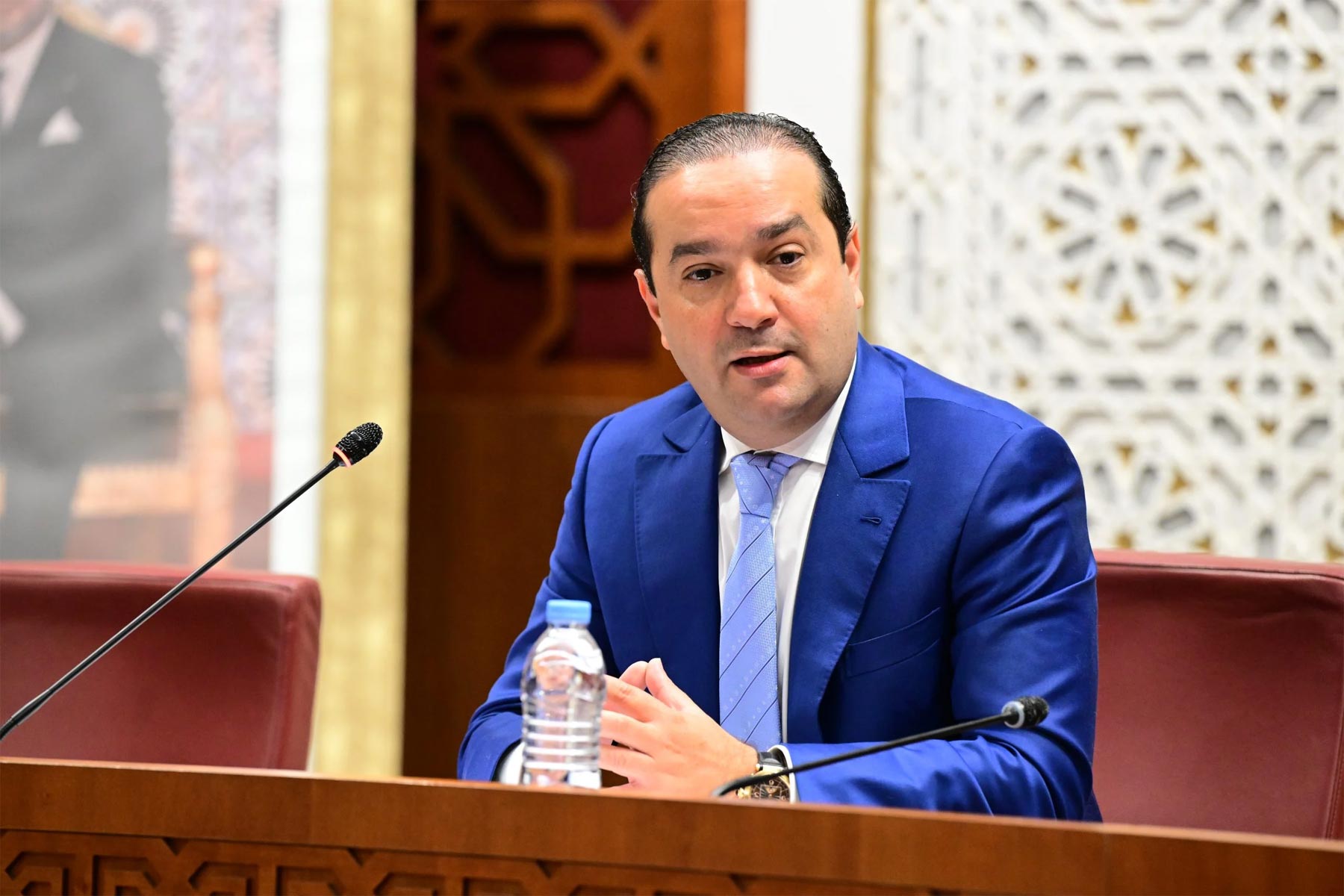
Chouki: Several sectors have been rescued by current policies
Morocco’s coalition partners clash over inflation, purchasing power
Purchasing power and economic management have emerged as central themes of political competition, particularly with legislative elections scheduled for September.
Monday 18/05/2026
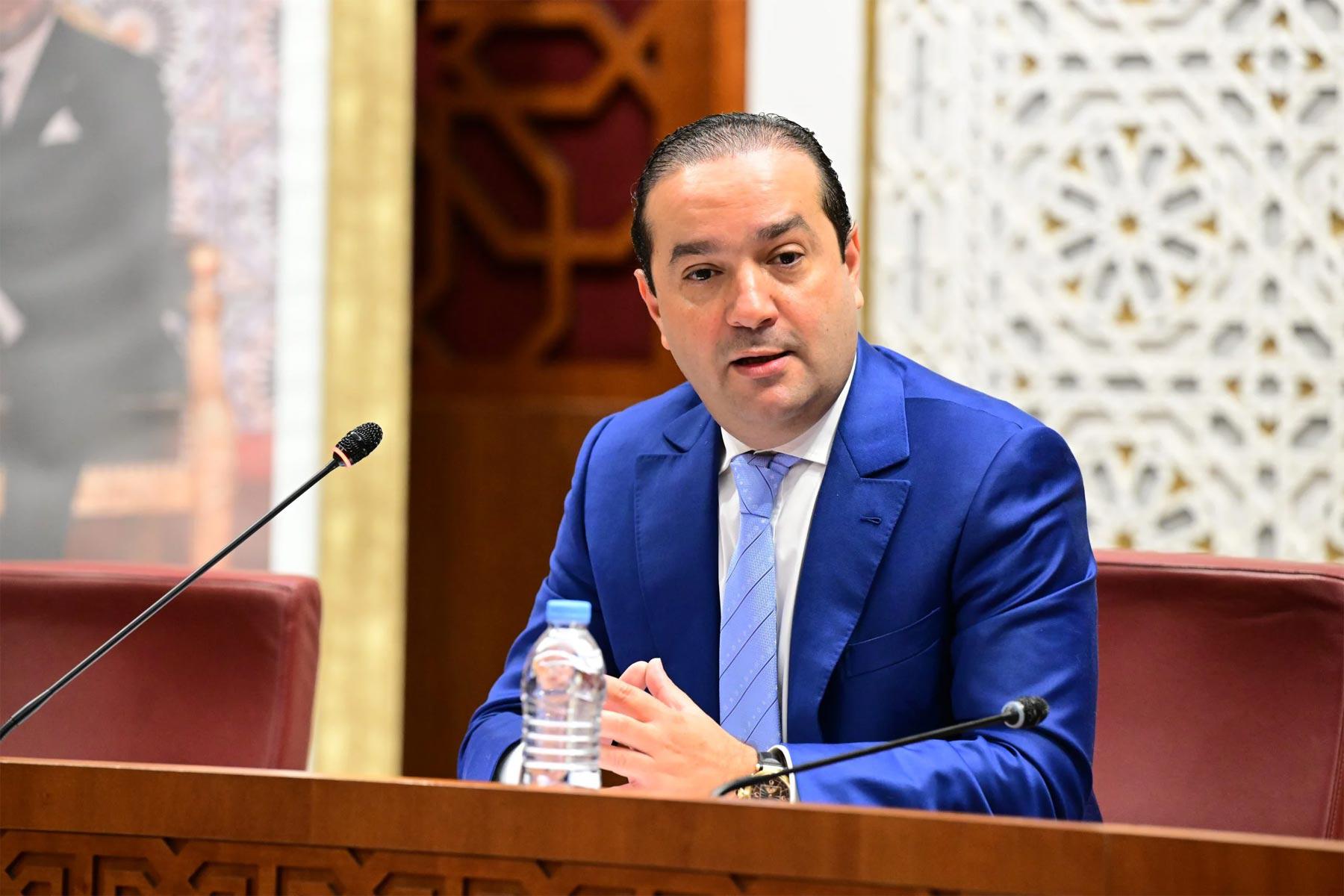
Chouki: Several sectors have been rescued by current policies
RABAT – Morocco’s governing coalition parties have entered into an increasingly sharp political contest over purchasing power and economic policy ahead of parliamentary elections, as senior officials traded criticism over inflation, trade regulation and the rising cost of living.
Mohamed Chouki, head of the ruling National Rally of Independents party, responded to comments by Nizar Baraka, leader of the coalition partner Istiqlal Party, who had pledged to establish national companies to distribute essential goods in order to eliminate speculation and remove so-called “middlemen” if his party wins the next elections.
Chouki said “we should not try to outbid one another with policies from a bygone era in trade and distribution”.
Speaking on Saturday during a party forum in the city of Fes titled “From School Education to Higher Education in Morocco: Policy Outcomes and Future Prospects”, Chouki argued that the state already had clearly defined responsibilities, namely promoting free and transparent competition while safeguarding sovereign economic choices.
He said all economic sectors were being called upon to contribute towards building a stronger and genuinely competitive domestic trade sector, adding that Morocco was undergoing “major and optimistic transformations” under the current government.
Baraka, however, struck a different tone during a national political rally organised by the Istiqlal Party on Friday evening in Sidi Kacem, insisting that the government’s primary role was to protect citizens’ purchasing power from global fluctuations and what he described as imported inflation.
He launched a sharp attack on what he called “speculators” and profiteers, criticising the growing spread of a culture of excessive profiteering and greed across the kingdom.
In an apparent attempt to appeal to ordinary Moroccans ahead of the upcoming elections, Baraka also addressed livestock breeders before the approaching Eid al-Adha holiday, urging them to help citizens by making sacrificial animals more affordable.
He said government support measures had helped improve the national herd, with supply this year reaching around nine million head of livestock compared with demand estimated at no more than seven million.
Observers said the exchange marked the first signs of an intense struggle that will characterise the next electoral phase.
The National Rally of Independents and the Istiqlal Party are engaged in a delicate political balancing act in Morocco, combining their strategic alliance within the current government with fierce competition on the ground to dominate the political landscape and attract voters.
Purchasing power and economic management have emerged as central themes of political competition, particularly with legislative elections scheduled for September.
Highlighting what he described as the government’s economic achievements, Chouki said industrial zones had expanded by 40 percent under the current administration compared with all governments since independence combined.
He added that national savings had risen to 930 billion dirhams (more than $100 billion), compared with around 450 billion dirhams at the start of the government’s term.
According to Chouki, these figures reflected growing confidence among economic actors in Morocco’s economic system and in government policies implementing King Mohammed VI’s vision for reform and transformation through major public investment programmes that have reached 380 billion dirhams.
As partisan competition intensifies, Chouki also argued that several sectors which had been “on the verge of collapse” under previous governments had been rescued by current policies, particularly construction and mining, which he said had once again become wealth-generating sectors.
He also pointed to renewed inflows of foreign investment after declines during previous administrations, while praising the government’s handling of the impact of the Middle East war on fuel prices through support measures for transport professionals aimed at preserving citizens’ purchasing power.
Defending his own record within the government, Baraka highlighted Morocco’s macroeconomic stability, saying the country had managed to keep the budget deficit at around 3.5 percent of gross domestic product.
He added that public debt had been reduced to below 70 percent of GDP and that Morocco had secured comfortable foreign currency reserves covering six months of imports, backed by a credit line designed to absorb international economic shocks.