

Major relief after years of severe drought
Morocco’s reservoirs rebound to near 76% capacity in major recovery
The Bouregreg basin, which supplies major urban centres along the Atlantic coast including Rabat and Casablanca, climbed to nearly 90 percent capacity.
Monday 25/05/2026
Major relief after years of severe drought
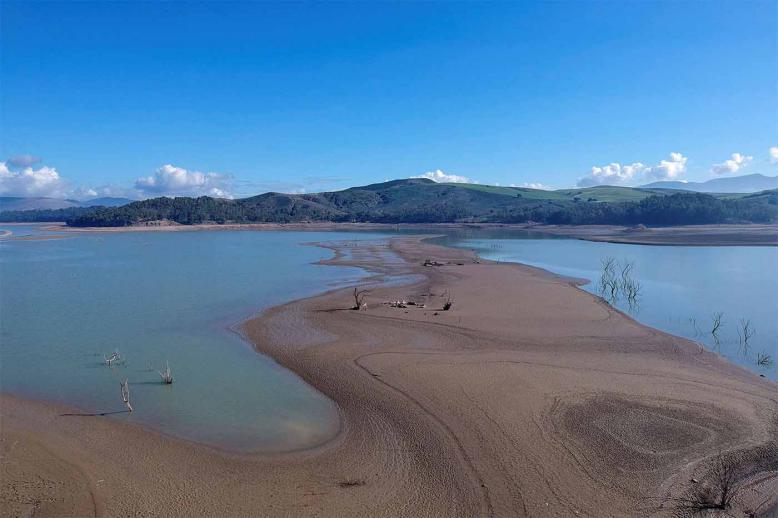
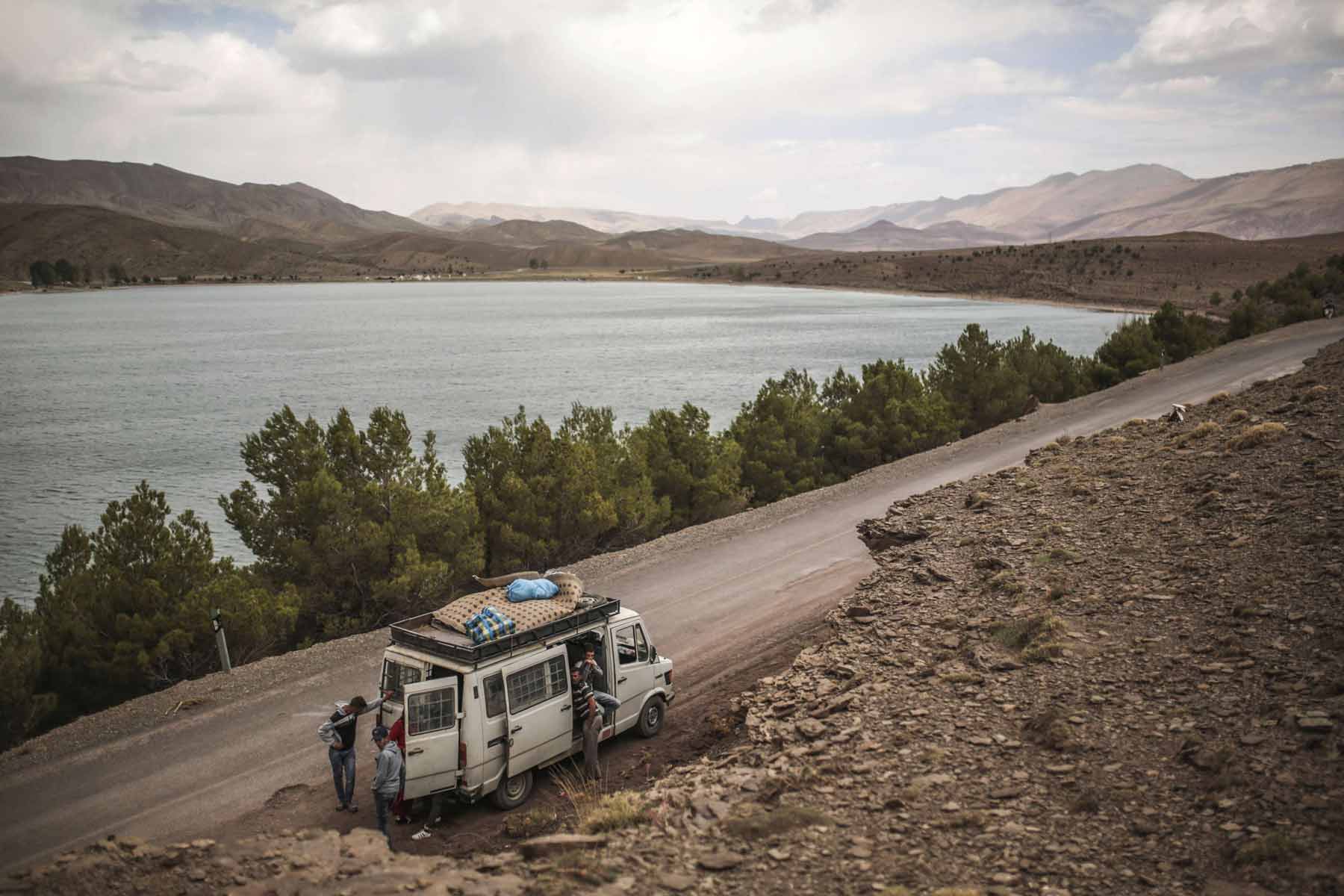
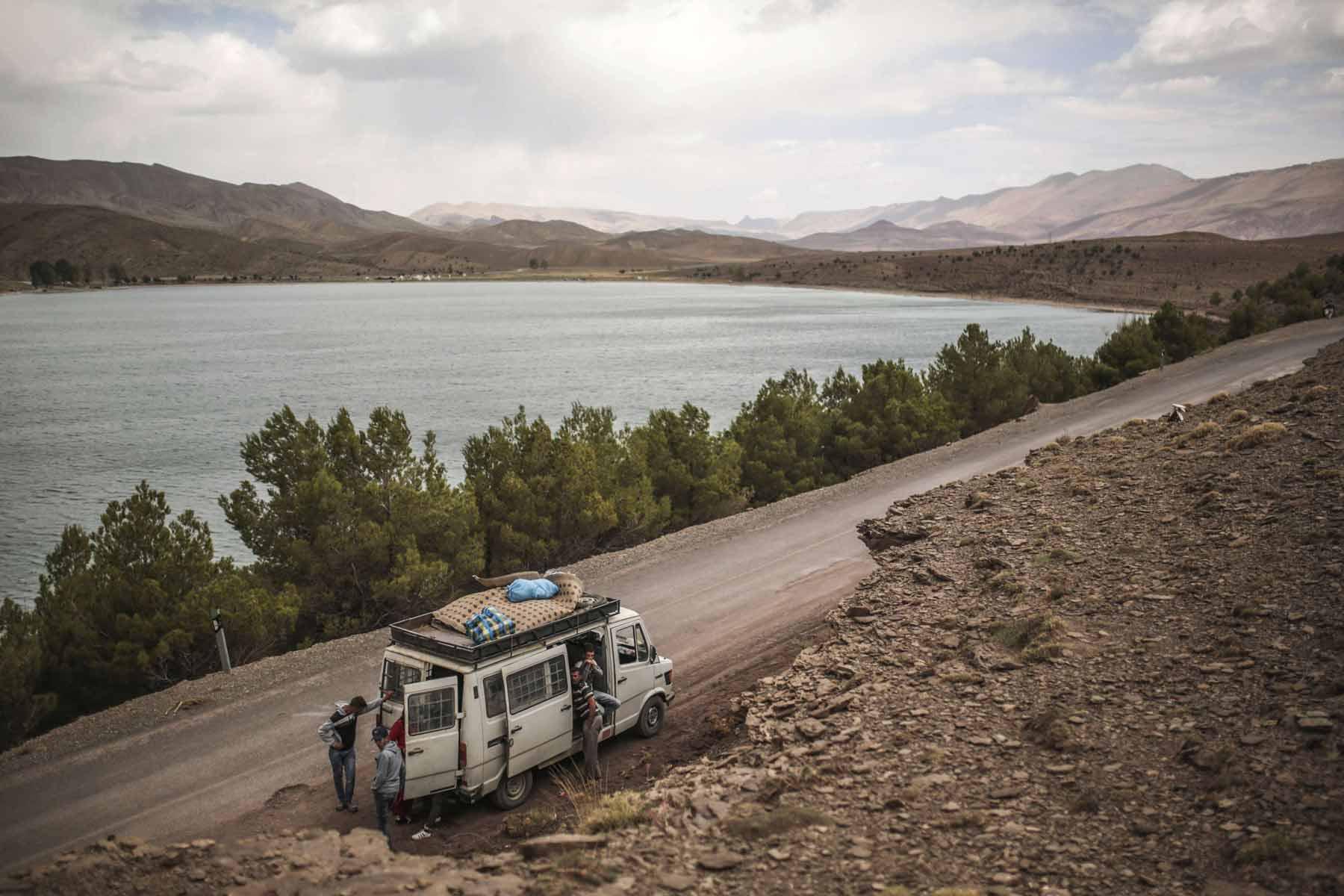
RABAT/CASABLANCA – Morocco has recorded one of the most dramatic recoveries in its water reserves in decades, with dam filling rates surging to nearly 76 percent after years of drought, offering crucial relief as the country braces for extreme summer heat and rising evaporation risks.
Official figures released by the Directorate of Water Research and Planning showed Morocco’s reservoirs now contain approximately 12.93 billion cubic metres of water out of a total capacity of 17.03 billion cubic metres.
The recovery marks a striking turnaround from the same period last year, when dams were only 40 percent full and reserves stood at just 6.8 billion cubic metres.
The sharp rise has strengthened confidence in Morocco’s ability to withstand summer pressure on drinking water supplies and irrigation networks after successive years of severe drought had fuelled fears of a prolonged national water crisis.
Authorities say the improved reserves will provide an important buffer against the current heatwave sweeping parts of the kingdom, where temperatures have already exceeded 40 degrees Celsius in several inland and southern provinces.
The Sebou basin, Morocco’s largest strategic water reserve, continues to anchor the country’s water security system.
It currently holds around 4.75 billion cubic metres of water with a filling rate of 88.39 percent.
The basin includes Al Wahda dam, Morocco’s largest reservoir, which alone contains more than 3 billion cubic metres and is almost 89 percent full.
The Loukkos basin recorded the highest filling levels nationwide, surpassing 97 percent capacity, with several dams including Nakhla, Chefchaouen and Charif Al Idrissi reaching full capacity.
The Bouregreg basin, which supplies major urban centres along the Atlantic coast including Rabat and Casablanca, climbed to nearly 90 percent capacity, easing fears of summer water restrictions in Morocco’s most densely populated corridor.
Tensift also posted exceptionally high levels at 94.78 percent, reinforcing water security for Marrakech and nearby regions as seasonal demand rises.
The Oum Er Rbia basin recorded one of the most significant recoveries after years of drought, jumping from around 12 percent last year to more than 65 percent currently.
Bin El Ouidane dam reached more than 93 percent capacity, while Al Massira, long viewed as a symbol of Morocco’s drought crisis, recovered to over 42 percent, holding more than 1 billion cubic metres.
Eastern Morocco also benefited from improved snowfall and rainfall patterns, with the Moulouya basin rising above 73 percent capacity, supported in part by snowmelt from the Middle Atlas Mountains.
Southern regions remain more exposed to water stress, however.
The Souss Massa basin improved to around 54 percent, a substantial increase from last year, but Draa Oued Noun continued to register the country’s lowest levels at just above 38 percent.
The rebound follows months of heavier rainfall and improved hydrological conditions after several consecutive dry seasons that had pushed Morocco into one of its most severe water shortages in decades.
In recent years, authorities introduced restrictions on irrigation, reduced water allocations in several cities and accelerated investments in desalination plants, wastewater reuse and inter-basin transfer projects.
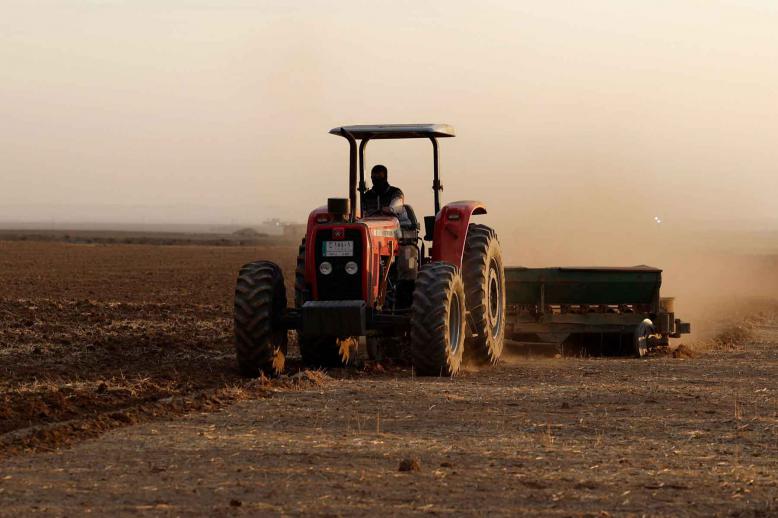
The current improvement offers breathing room for both households and the agricultural sector, which accounts for a major share of national water consumption and has been badly affected by drought conditions.
Farmers in regions such as Souss Massa and eastern Morocco are expected to benefit from improved irrigation supplies during the summer season.
Still, officials and environmental groups warn that the recovery does not eliminate long-term structural challenges facing Morocco’s water sector.
Climate change, recurring drought cycles, rapid urbanisation and increasing agricultural demand continue to place heavy pressure on national water resources.
Higher temperatures during summer months are also expected to accelerate evaporation from reservoirs, potentially reducing reserves more quickly than usual.
Authorities have therefore continued urging citizens and businesses to conserve water despite the improved situation.
Analysts say the current recovery provides Morocco with a rare strategic window to strengthen long-term water resilience and avoid future crises in one of the world’s most water-stressed regions.