



A determination to maintain pressure on extremist networks
Morocco disrupts ‘lone-wolf jihad’ attack plan in latest security operation
According to the BCIJ, the suspect had adopted ISIS ideology and was involved in preparing a terrorist operation designed to seriously threaten public safety and public order.
Tuesday 09/06/2026
A determination to maintain pressure on extremist networks
RABAT – Moroccan authorities have arrested a 31-year-old suspected supporter of Islamic State (ISIS) in the northern city of M’diq, thwarting what investigators say was an advanced terrorist plot involving plans to manufacture explosives and carry out attacks inside the kingdom.
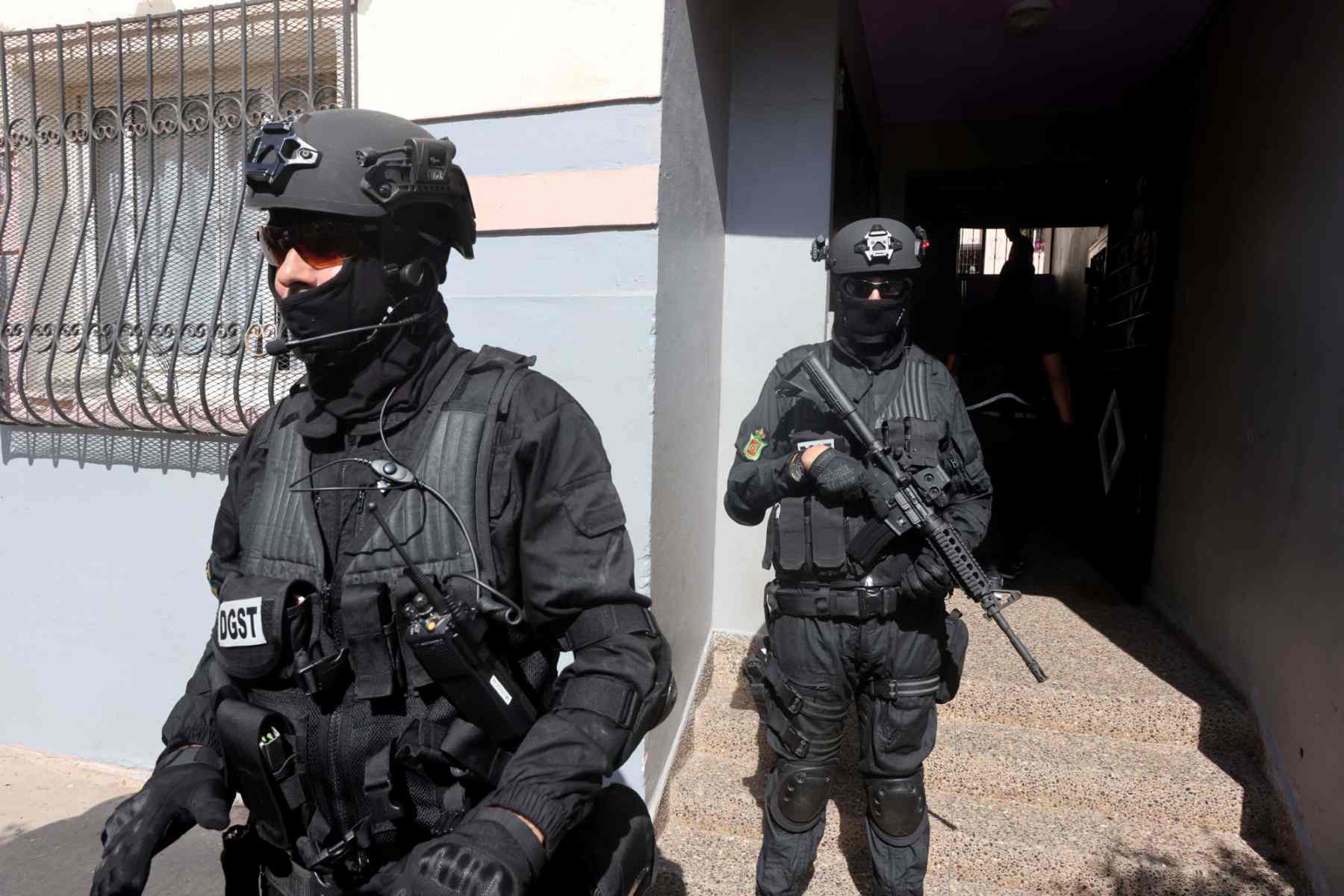
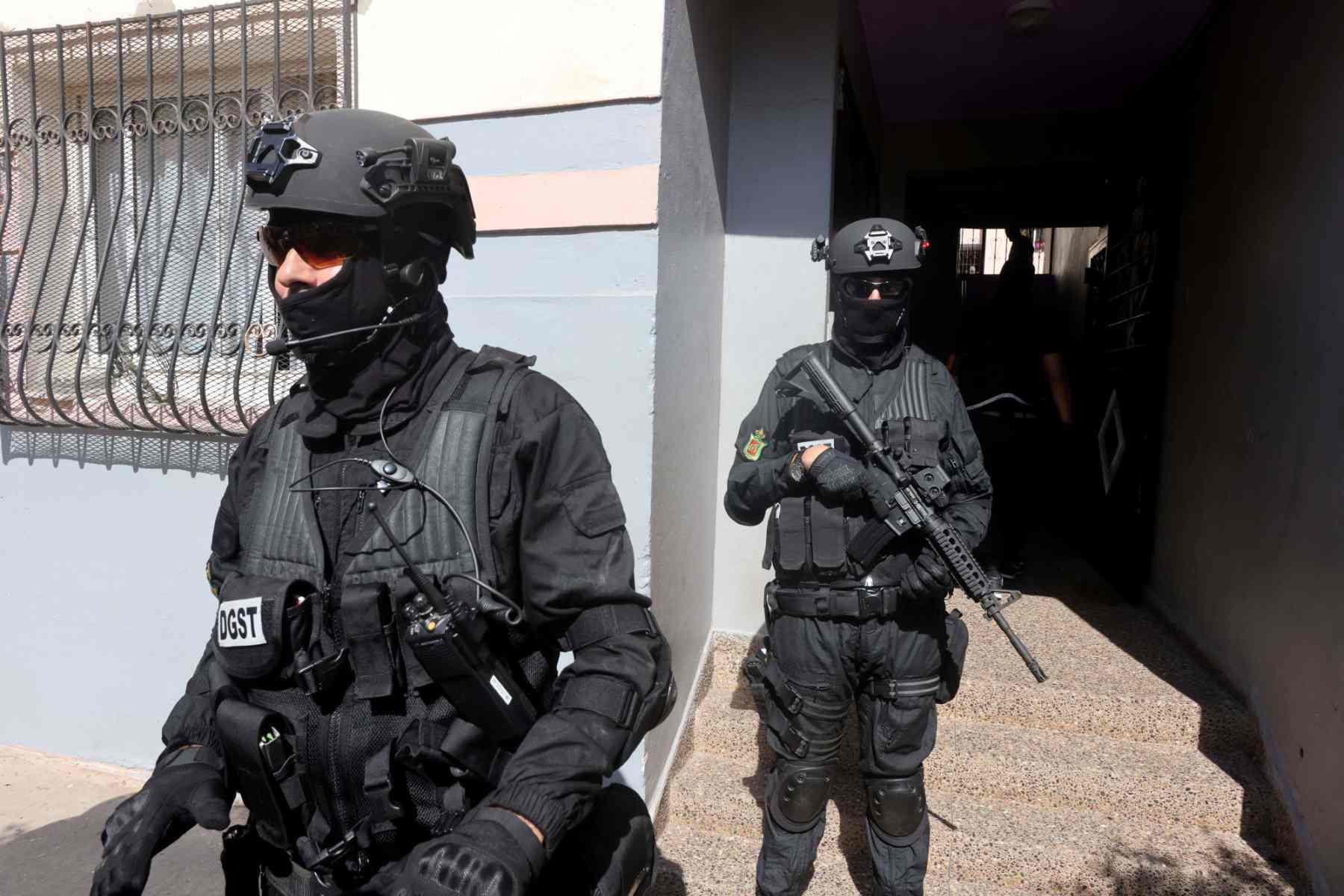
The arrest was carried out on Saturday by officers from the Central Bureau of Judicial Investigations (BCIJ), acting on intelligence provided by the General Directorate for Territorial Surveillance (DGST), Morocco’s domestic intelligence agency.
According to the BCIJ, the suspect had adopted ISIS ideology and was involved in preparing a terrorist operation designed to seriously threaten public safety and public order.
Investigators said preliminary findings indicated that the suspect was preparing what security officials describe as a “lone-wolf jihad” attack. He had allegedly acquired technical knowledge related to the manufacture of explosives and was planning attacks against individuals, public spaces and potentially vital infrastructure.
The suspect has been placed in police custody under the supervision of the prosecutor responsible for terrorism-related cases while investigators seek to determine the full scope of his activities, identify possible accomplices and establish whether he maintained links with extremist networks operating inside or outside Morocco.
The case highlights the evolving nature of terrorist threats facing Morocco and other countries in the region. While organisations such as ISIS have lost much of the territory they once controlled, security experts warn that extremist groups have increasingly shifted towards decentralised models relying on sleeper cells, online radicalisation and lone-actor attacks that are often harder to detect.
Security analyst Mohamed Chqir said heightened surveillance by Moroccan security agencies has forced extremist elements to abandon larger organisational structures and operate in a far more clandestine manner.
“Terrorist cells have recently resorted to all available methods, whether through lone wolves, family-based cells spread across several Moroccan cities, or through isolated individuals,” he said.
“The increased pressure and monitoring by Moroccan security services have pushed these groups to work in extreme secrecy and in very small numbers.”
He added that investigations into suspects’ digital activity frequently reveal a lack of innovation in extremist operational methods, making it easier for authorities to detect threats before they materialise.
The arrest forms part of a broader Moroccan counterterrorism strategy that has led to the dismantling of dozens of extremist cells over the past several years, often before plans reached an operational stage. In April, Moroccan authorities announced the dismantling of a six-member extremist cell during coordinated operations in Kenitra, Casablanca, Dar El Gueddari and Sidi Taibi.
Morocco has earned a reputation as one of North Africa’s most active counterterrorism partners, regularly sharing intelligence with European, African and Middle Eastern security services. Moroccan intelligence cooperation has contributed to the disruption of several terrorist plots beyond the kingdom’s borders.
Officials and analysts attribute that record not only to strong security and intelligence capabilities but also to a broader strategy combining counterterrorism operations with religious reform programmes, anti-radicalisation initiatives, prison rehabilitation schemes and socio-economic policies aimed at reducing vulnerability to extremist recruitment.
The latest operation underscores Morocco’s determination to maintain pressure on extremist networks despite the changing nature of the terrorist threat, as authorities seek to prevent isolated actors and clandestine cells from exploiting regional instability to launch attacks inside the kingdom.