

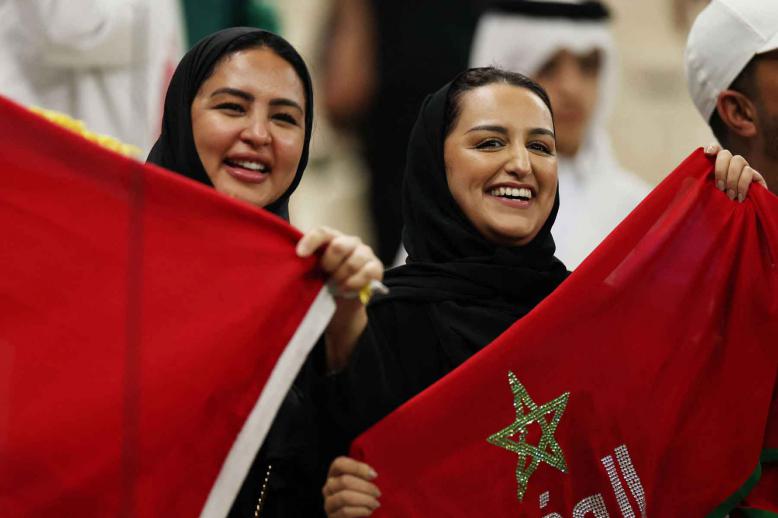

A hub of sports in Africa and beyond
Morocco scores big as AFCON generates over $1.1 billion in economic boost
Around 3,000 local companies contributed to supply chains and logistical services, injecting liquidity into the country’s network of small and medium-sized enterprises.
Thursday 22/01/2026
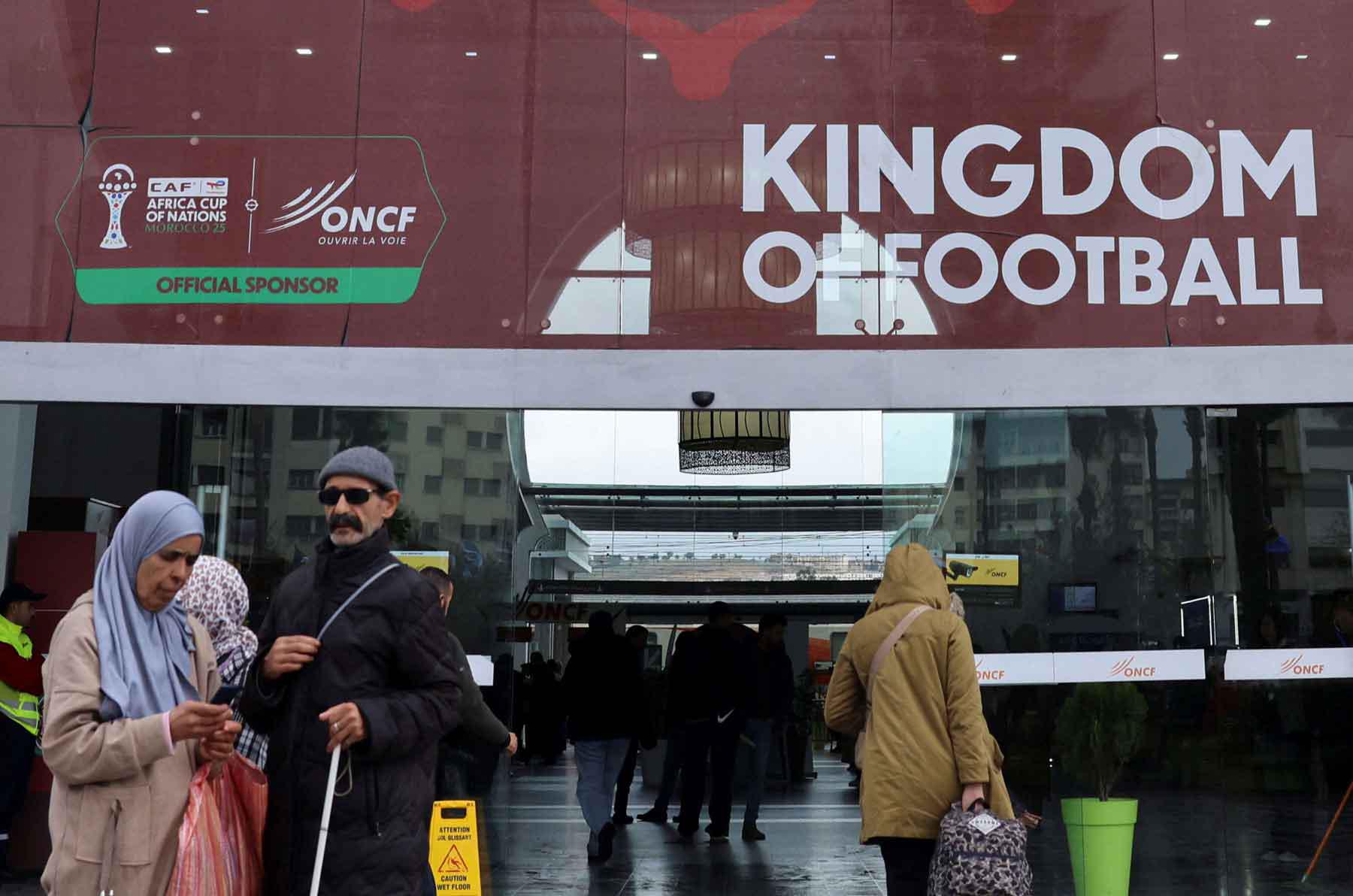
A hub of sports in Africa and beyond
RABAT – Morocco has reported record financial gains exceeding €1 billion ($1.17 billion) following its hosting of the 2025 Africa Cup of Nations, an achievement described by international reports as “historic.” Far from being just a football festival, the tournament emerged as a major economic engine and a platform for consolidating the Kingdom’s soft power on the continental and global stage.
Official data indicate that the 2025 AFCON has been the most profitable edition in the competition’s history. The event exceeded all expectations, with domestic demand surging by 25 percent during the tournament. Around 3,000 local companies contributed to supply chains and logistical services, injecting liquidity into the country’s network of small and medium-sized enterprises and stimulating local entrepreneurship.
The tournament had a direct impact on Morocco’s economic growth, pushing the national GDP growth rate to 4.5 percent, a figure that highlights the efficacy of sports investment in driving national output.
Speaking to parliament, Industry and Trade Minister Ryad Mezzour emphasised that the AFCON “revitalised the economy, triggering a noticeable boost in both consumption and investment.” He added that investments made for the tournament enabled the completion of major infrastructure projects in just two years, a pace equivalent to what would normally take a decade. Mezzour described this as a “final rehearsal” in logistics, security and large-scale event management, positioning Morocco for future global tournaments, according to Akhbar North Africa.
Reports underline that Morocco effectively “compressed the timeline,” completing projects originally planned over ten years within only two. Infrastructure readiness, including stadiums, roads, hotels, and telecommunications, reached 80 percent of the standard requirements expected for the 2030 FIFA World Cup. The tournament also created approximately 100,000 direct and indirect jobs, helping to reduce unemployment while developing youth skills in hospitality, logistics, and event management sectors.
Tourism and international exposure
The AFCON also served as the kingdom’s largest promotional campaign for tourism, attracting thousands of fans from across Africa and Europe and enhancing Morocco’s image as a safe, modern, and welcoming destination. Moroccan airports proved vital to the tournament’s success, undergoing what officials described as an organisational leap that places the country among the world’s leading nations in managing large-scale human flows efficiently.
Coinciding with the tournament and the end of 2025, Moroccan airports recorded the highest passenger traffic in their history, driven by the influx of fans, officials, and media from multiple continents. Urgent infrastructure investments upgraded reception systems and ground services at key airports, including Mohammed V International, Marrakech Menara and Rabat-Salé, reducing waiting times and accelerating customs and security processes.
Global recognition and legacy
The success in handling the unprecedented surge in air traffic has been hailed as an international “seal of approval” for Morocco’s readiness to host millions of spectators during the 2030 World Cup. The kingdom demonstrated that it can accommodate a dramatic increase in air traffic while maintaining international standards of safety and service quality. Coupled with extensive global media coverage, Morocco has dominated online search trends, securing long-term tourist flows beyond the tournament itself.
By combining infrastructure development, economic growth, employment creation and international visibility, AFCON 2025 has firmly established Morocco as a hub of sports, commerce and soft power in Africa and beyond, proving that football can be a catalyst for transformative national development.