

Ceaseless efforts from the civil protection to ensure the inhabitants' safety
Morocco's King orders immediate intervention in flood-hit Ksar El Kebir
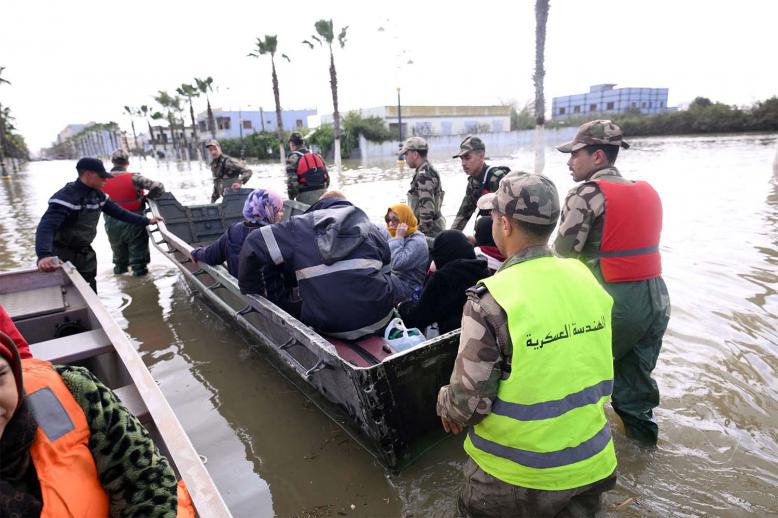
Intervention units of the Royal Armed Forces have been deployed to the northern city, equipped with the necessary materials, equipment, and vehicles to transport and accommodate the affected populations.
Saturday 31/01/2026
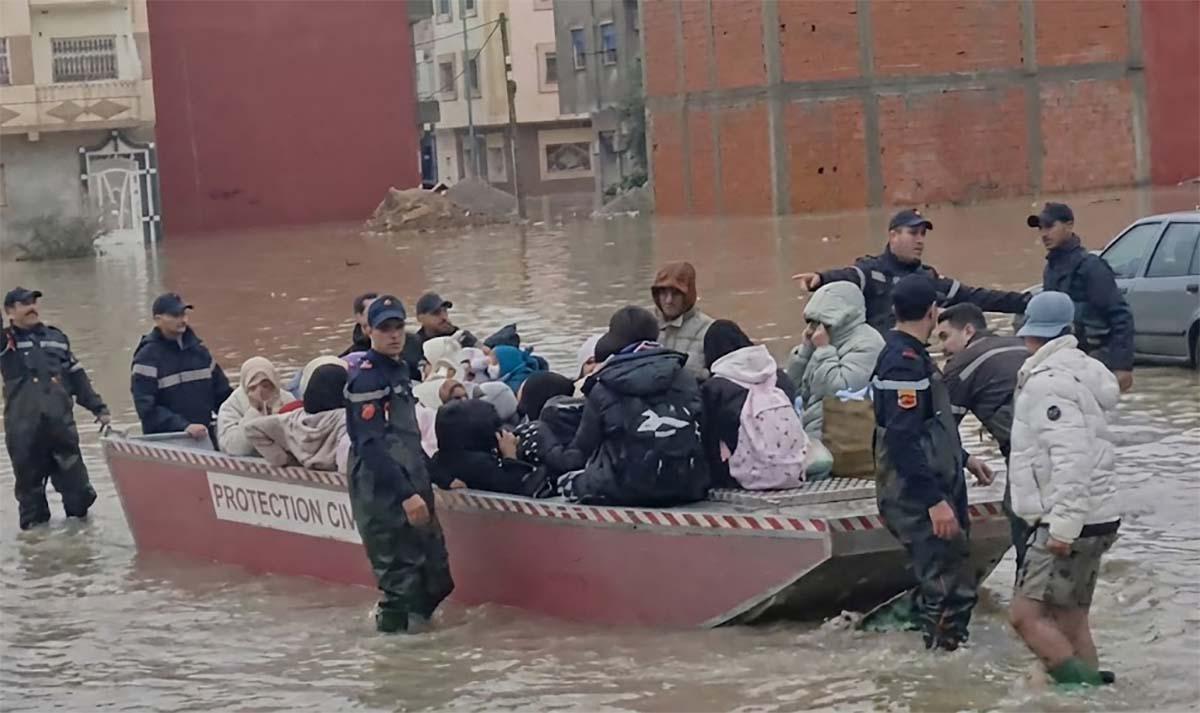
Ceaseless efforts from the civil protection to ensure the inhabitants' safety
RABAT - The National Monitoring Committee responsible for managing and surveilling flood-related events, which met on Friday at the headquarters of the Ministry of the Interior, highly commended the High Instructions of His Majesty King Mohammed VI, for the immediate intervention of the Royal Armed Forces (FAR) and the deployment of significant human and logistical resources to support and assist the populations from affected areas.
These High Royal Instructions reflect the Sovereign's ongoing care for protecting citizens' lives, safeguarding their safety, and guaranteeing their security in the face of repercussions from exceptional weather conditions.
The current flooding situation in the city of Ksar El Kebir was examined, developments on the ground were monitored, and the extent of the damage was assessed, during this meeting, attended by ministers and officials from various government departments, institutions, and member services of the Committee.
It also tackled coordinating various interventions and taking the necessary measures to protect the population and ensure the safety of citizens and their property.
This meeting is part of the close monitoring and public authorities efforts to counter the repercussions of extreme weather affecting certain regions of the Kingdom, particularly Ksar El Kébir, following the exceptional flooding caused by heavy rainfall, rising water levels of rivers, and the constraints associated with managing dam reserves, which have reached 100% capacity due to the significant amount of water recorded.
The meeting was also an opportunity to review measures to strengthen ongoing interventions and operational monitoring, by stimulating identification and operational monitoring mechanisms, intensifying the mobilization of human resources and logistical means, and deploying the necessary equipment.
There was also discussion of enshrining close coordination between the authorities, relevant services and various stakeholders, as well as of taking support measures to guide interventions with greater effectiveness and efficiency in the face of critical weather conditions.
During this meeting, measures taken to contain the rise in water levels in the Loukkos and Sebou rivers and related waterways were also reviewed, with a view to limiting flooded areas and reducing the potential impact on people, property and infrastructure, within the framework of close and continuous coordination between various stakeholders.
In the same context, emphasis was placed on the need to continue to monitor and closely follow developments in the situation, while ensuring maximum mobilization and guaranteeing immediate intervention whenever necessary, until weather conditions improve and these exceptional circumstances come to an end.
The meeting was also an opportunity to reiterate the need for the comprehensive mobilization of all public services and authorities, as well as furthering necessary efforts to assist those impacted and provide them with full support, in order to mitigate the effects of these climatic disruptions and reinforce public safety conditions.
Commending the spirit of responsibility and positive commitment shown by all those involved in efforts to limit damage and losses incurred, participants urged all citizens, particularly those living in affected areas, to maintain utmost vigilance, comply with the instructions of the competent authorities, and avoid taking any risks, in order to protect lives and property and ensure the safety of all.
In coordination with the Ministry of the Interior and local authorities, intervention units of the Royal Armed Forces (FAR) have been deployed, equipped with the necessary materials, equipment, and vehicles to transport and accommodate the affected populations, according to a statement from the FAR General Staff.
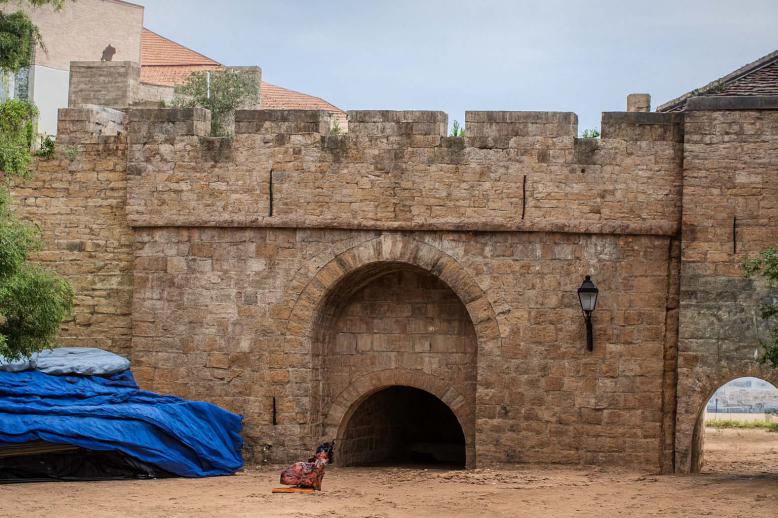
Ksar El Kebir sits in a low-lying basin along the banks of the Loukkos River. While the river is the lifeblood of the region’s rich agricultural sector, its proximity creates a natural funnel during peak precipitation.
Civil Prevention
The response to the floods was a coordinated effort led by the local provincial authorities, aimed at minimizing both human loss and economic damage.
The Civil Protection (firefighters) served as the backbone of the physical intervention. Their efforts were categorized into three critical phases.
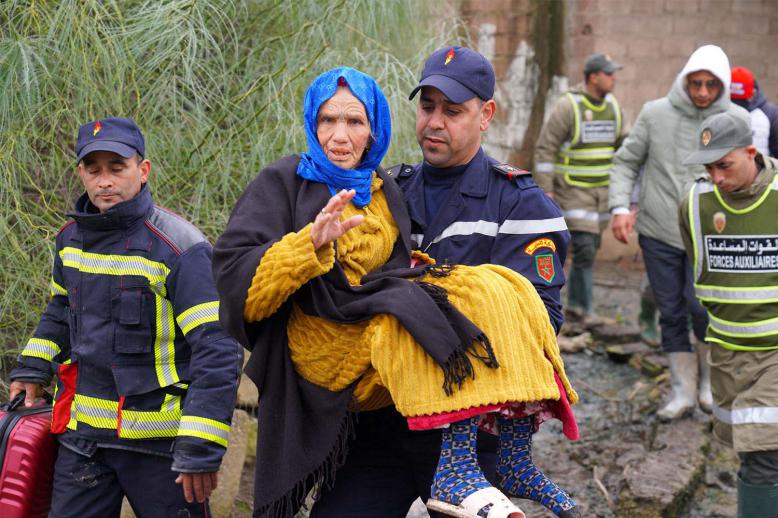
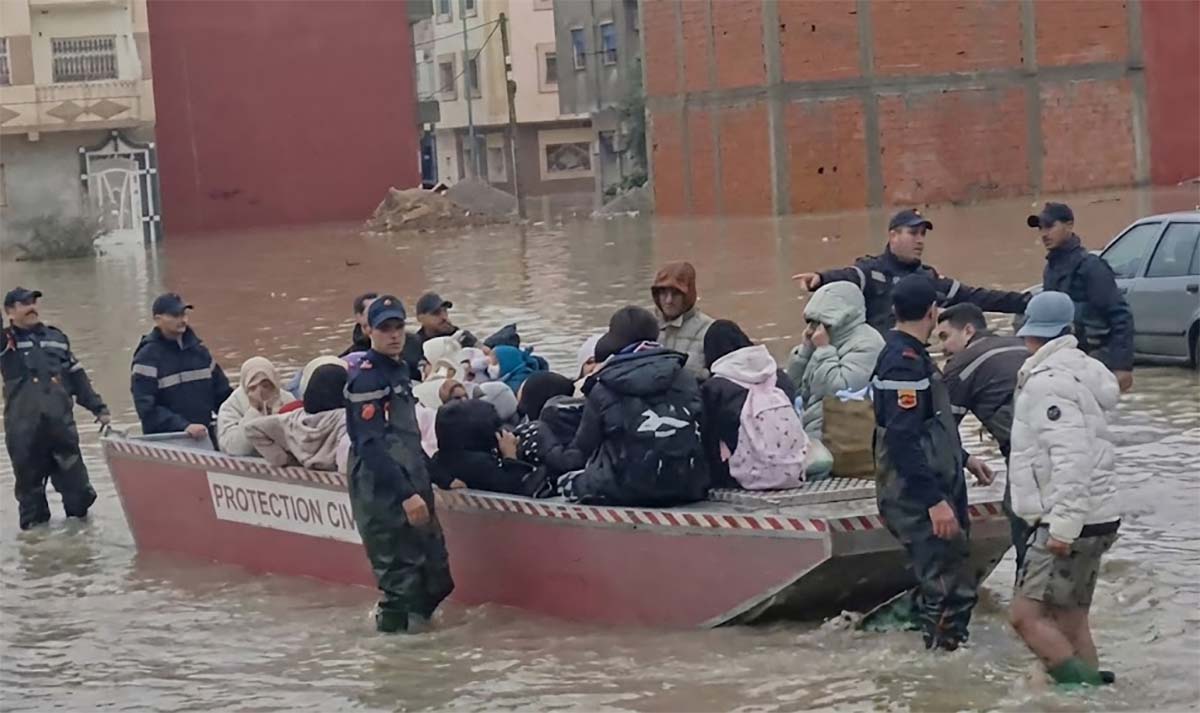
The first phase was “search and rescue”. By utilizing inflatable zodiac boats, firefighters navigated submerged alleys to evacuate elderly residents and families trapped in their homes.
The second was “water extraction”. High-capacity pumps were deployed at strategic urban intersections and in the basements of public buildings to lower water levels and prevent structural collapses, while the third consisted of “clearing obstructions.” Firefighters worked alongside municipal workers to clear debris, uprooted trees, and silt that had choked the city's drainage culverts, allowing the water a path to exit back into the river system.