

An Omani vision for a more peaceful world
Muscat plan positions Oman at centre of global effort against hate
The initiative is being presented as one of the most ambitious international efforts to address the growing threat posed by hate speech and identity-based violence.
Wednesday 17/06/2026
An Omani vision for a more peaceful world
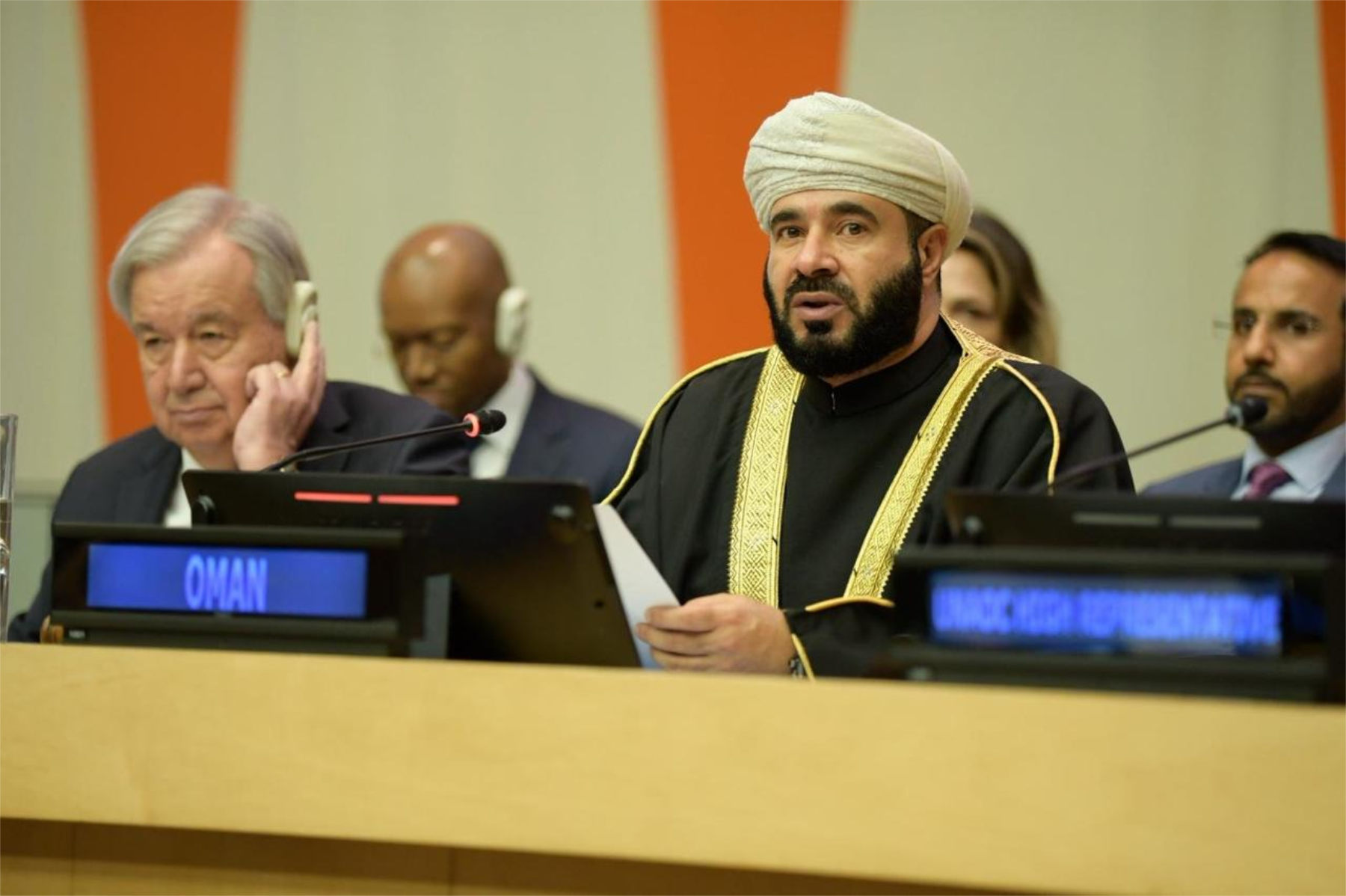
NEW YORK/MUSCAT – Oman and the United Nations have launched the Muscat Action Plan, a new international framework aimed at combating hate speech, preventing violence and atrocity crimes, and strengthening social cohesion by placing traditional and indigenous leaders at the centre of peacebuilding efforts.
The initiative, unveiled at UN headquarters in New York, is being presented as one of the most ambitious international efforts to address the growing threat posed by hate speech, identity-based violence and social fragmentation at a time of mounting geopolitical tensions and rapid technological change.
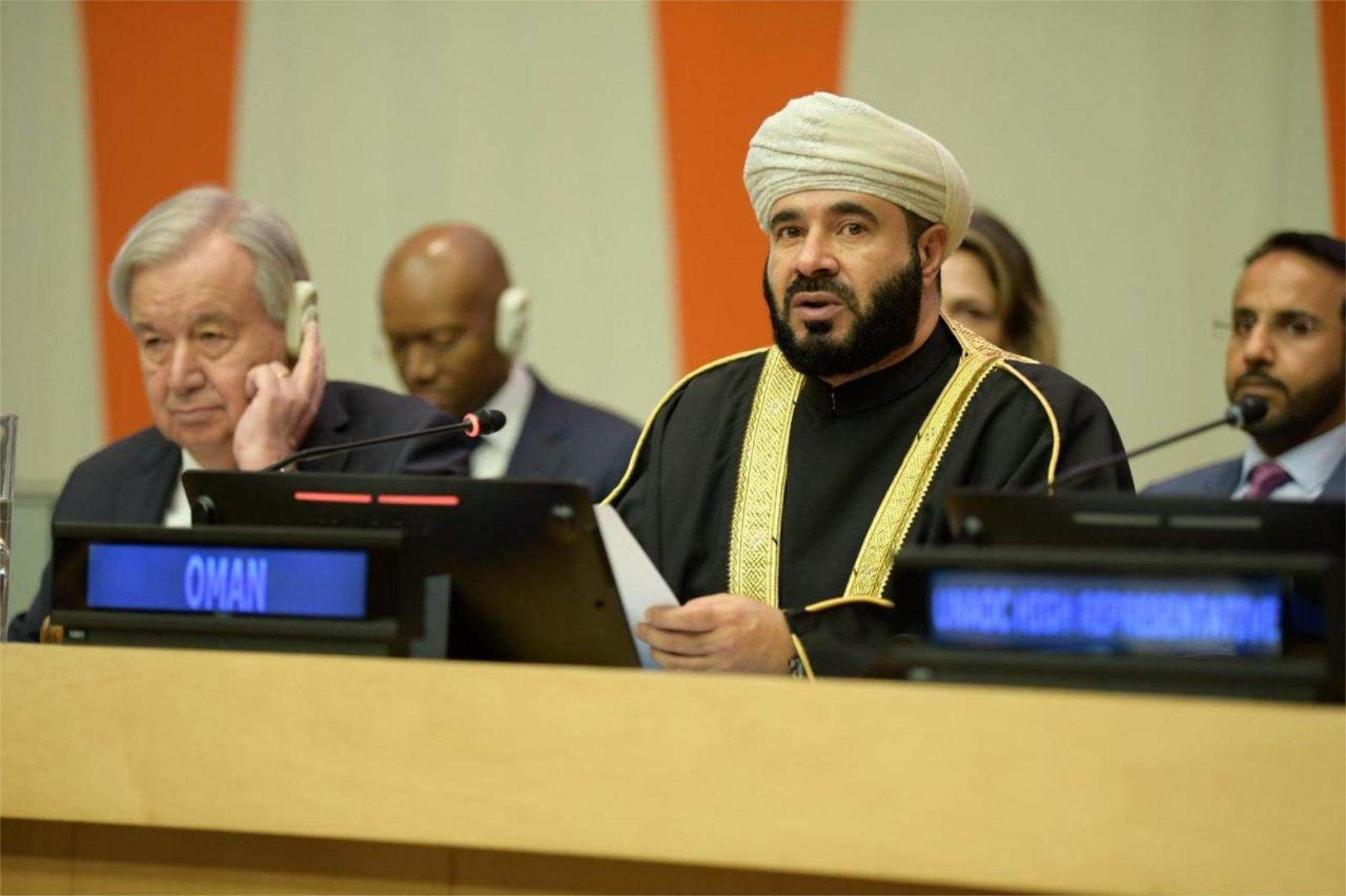
The launch was attended by UN Secretary-General António Guterres, senior Omani officials, representatives of member states, international organisations, indigenous communities and the Network for Religious and Traditional Peacemakers.
The plan emerged from a global consultation process that began in Abuja, Nigeria, in 2022 and concluded in Muscat. It involved traditional leaders, indigenous peoples, governments, international organisations and experts from more than 46 countries.
At its core, the Muscat Action Plan seeks to empower trusted community figures to act as early-warning mechanisms against violence, mediate disputes, strengthen social cohesion and challenge hate speech before it escalates into conflict or mass atrocities.
The framework focuses on three principal areas: strengthening local capacities for mediation and conflict prevention, promoting responsible media and counter-narratives to hate speech, and enhancing cooperation among governments, community leaders and international organisations.
Addressing the launch ceremony, Guterres warned that hate speech is spreading at an unprecedented pace.
“Hate speech is a grave and growing threat to peace and security,” he said. “It divides communities, dehumanises entire groups and sets the stage for bloodshed. It is also deliberate – and a core component in the playbook for virtually every genocide and atrocity crime.”
The UN chief pointed to unregulated digital platforms and artificial intelligence as major accelerators of the phenomenon and called for stronger safeguards and accountability mechanisms.
He urged governments and technology companies to work together to prevent online spaces from becoming vehicles for hatred and incitement.
Oman's Minister of Endowments and Religious Affairs, Mohammed bin Said Al-Maamari, said the initiative reflects decades of Omani engagement in dialogue, mediation and peaceful coexistence.
“When my country, Oman, decided to give the world a plan for peace and development, it did not write it using ink alone,” he said. “Oman drafted this document based on decades of human connection and joint work.”
Al-Maamari stressed that the initiative does not seek to erase differences between peoples, cultures or faiths, but rather to create broader spaces for cooperation rooted in common human values.
“Real peace is not built on fear, but by trust; not by exclusion, but by participation; and it is not achieved by weakening identities, but by directing them towards serving humanity and promoting the common good,” he said.
The minister added that religions and cultural traditions should not be viewed as sources of division but as reservoirs of moral authority capable of strengthening dialogue and reconciliation.
He also described the Muscat Action Plan as a global call to move “from managing differences to building partnerships” and from competition over narrow interests towards cooperation for a more secure and prosperous future.
The initiative has been widely viewed as enhancing Oman’s international profile as a mediator and advocate of peaceful coexistence.
Analysts say the plan reinforces the Sultanate’s growing role in humanitarian diplomacy and soft power, building on previous Omani initiatives such as the “Message of Peace” project and the “Human Covenant” initiative, both of which sought to promote intercultural dialogue and shared human values.
The Muscat Action Plan is also expected to expand Oman’s partnerships with UN agencies, international organisations, academic institutions and civil society groups involved in conflict prevention and peacebuilding.
Supporters argue that the initiative reflects a growing international recognition that preventing violence and combating hate speech cannot rely solely on political or security measures, but also requires community-led approaches rooted in trust, dialogue and cultural understanding.
For Oman, the launch marks not only a diplomatic achievement but also a broader effort to institutionalise its long-standing approach to mediation and coexistence on the global stage.
As international concern mounts over the rise of hate speech, polarisation and identity-driven conflicts, the Muscat Action Plan seeks to offer a practical framework for prevention, grounded in the belief that local communities and traditional leaders can play a decisive role in safeguarding peace before crises spiral into violence.
As Al-Maamari put it: “We believe that human beings are greater than hatred, that wisdom is stronger than conflict, and that what unites people is deeper and more enduring than what divides them.”