


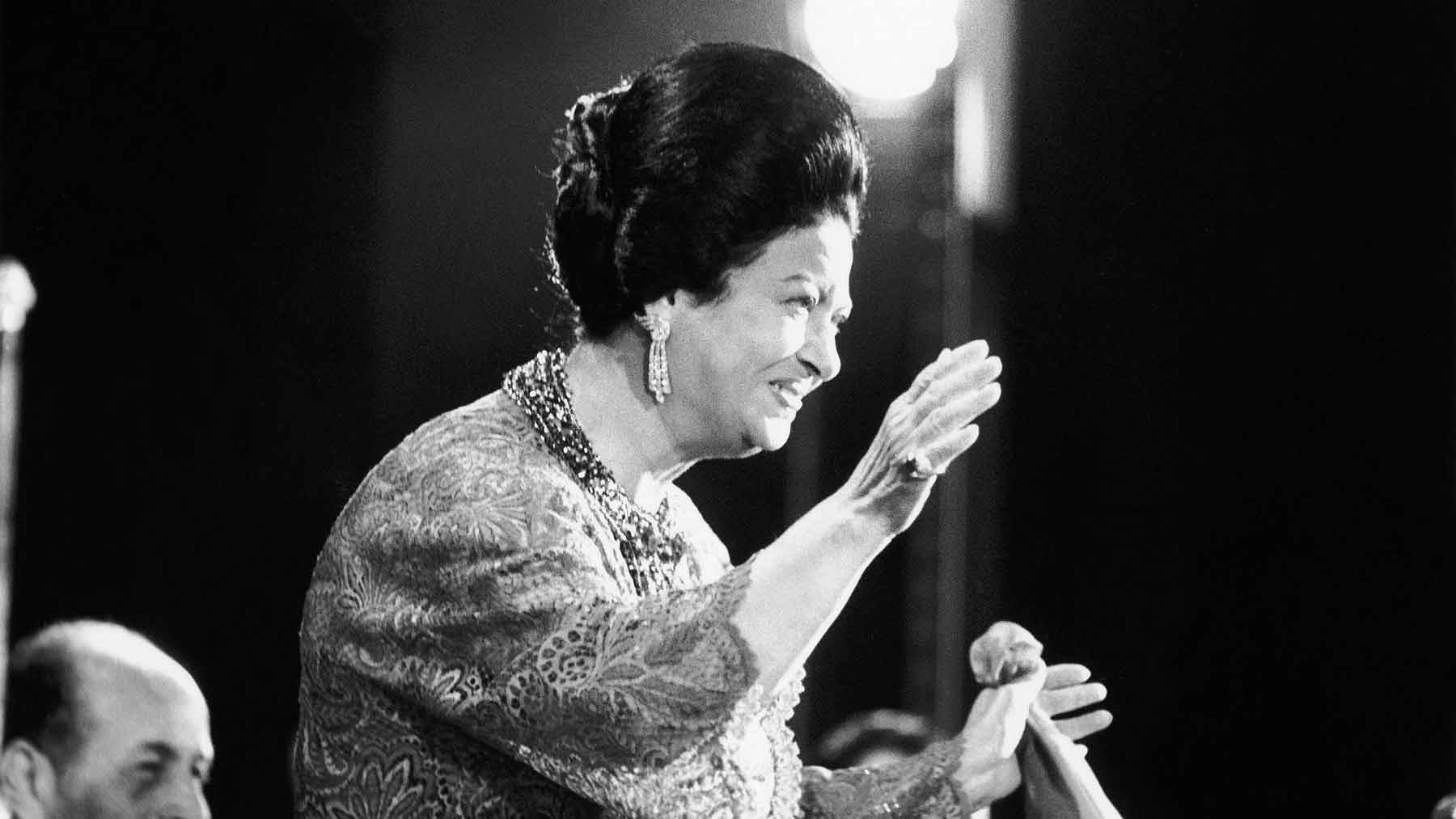
Egyptian music legend Umm Kulthum.
El sett premiere in Marrakech sparks Salafi backlash against screenwriter in Egypt
Internationally, El Sett has been acclaimed for its depiction of Umm Kulthum’s life and achievements. Yet in Egypt, it has become a flashpoint
Tuesday 09/12/2025
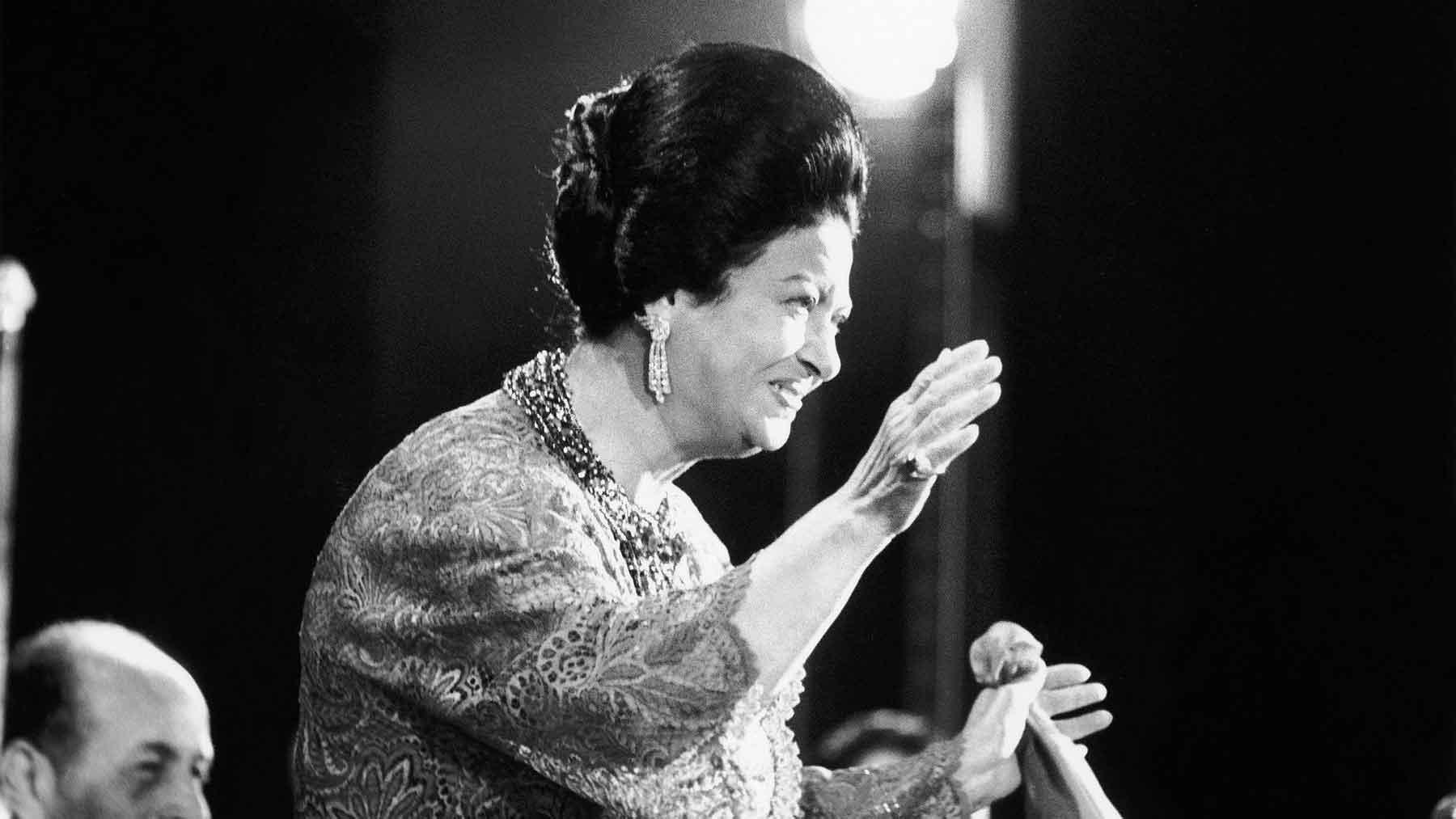
Egyptian music legend Umm Kulthum.
CAIRO
The debut of El Sett, a biopic on Egyptian music legend Umm Kulthum, has sparked a heated debate in Egypt following remarks by the film’s screenwriter, Ahmed Mourad. At the Marrakech International Film Festival, Mourad described writing the singer’s story as “the most difficult task” of his career, adding metaphorically that making a film about the Prophet Muhammad “would have been slightly easier.” Though meant to underscore the artistic challenge of portraying such an iconic figure, his comments drew immediate accusations of blasphemy from conservative circles.
The film, starring Mona Zaki and directed by Marwan Hamed, premiered on December 3. Zaki defended the project at the same event, saying, “I only took this role because I have complete trust in Marwan Hamed and Ahmed Mourad. The film portrays Umm Kulthum as a human being before she became an icon, showing both her strengths and vulnerabilities. It celebrates her legacy without disrespect.” Her remarks helped ease some criticism, yet calls for a boycott quickly gained traction online.
The controversy escalated as Salafi groups condemned Mourad’s statements as “an affront to our religious sanctities” and urged audiences to shun the film. On December 3, lawyer Ayman Mahfouz lodged an official complaint with the public prosecutor, accusing Mourad of blasphemy under Article 98(f) of the Egyptian Penal Code, which carries penalties of up to five years’ imprisonment or a fine for exploiting religion to promote extremist ideas or disparage divine religions. Mahfouz described the remarks as “a stab at the Prophet and a severe blow to the feelings of Muslims,” calling for an urgent investigation and travel restrictions on Mourad.
The uproar coincided with growing attention to the film ahead of its Egyptian release on December 10, triggering a 300 percent spike in online searches. Social media campaigns featuring Mourad’s image and provocative messages have intensified the debate, highlighting tensions between cultural expression and religious sensitivities in Egypt.
Analysts say the controversy provides Salafi groups with an opportunity to assert influence over cinema and cultural narratives, particularly as El Sett revisits figures like Umm Kulthum, whose early career included religious performances. The film is widely interpreted as an effort to frame her as a feminist cultural icon, underscoring broader anxieties within conservative Islamist circles over the loss of control over cultural discourse in the digital age.
Mourad has previously been a target of criticism, including in 2019 over alleged remarks about Naguib Mahfouz, cementing his status as a recurring focus for conservative campaigns. Meanwhile, Umm Kulthum’s family attended a private screening in Cairo on 5 December, praising the film as a respectful tribute that honours the singer’s legacy without violating religious values.
Internationally, El Sett has been acclaimed for its depiction of Umm Kulthum’s life and achievements. Yet in Egypt, it has become a flashpoint in the ongoing debate over artistic freedom, religious respect and the role of cinema in shaping national cultural identity.