

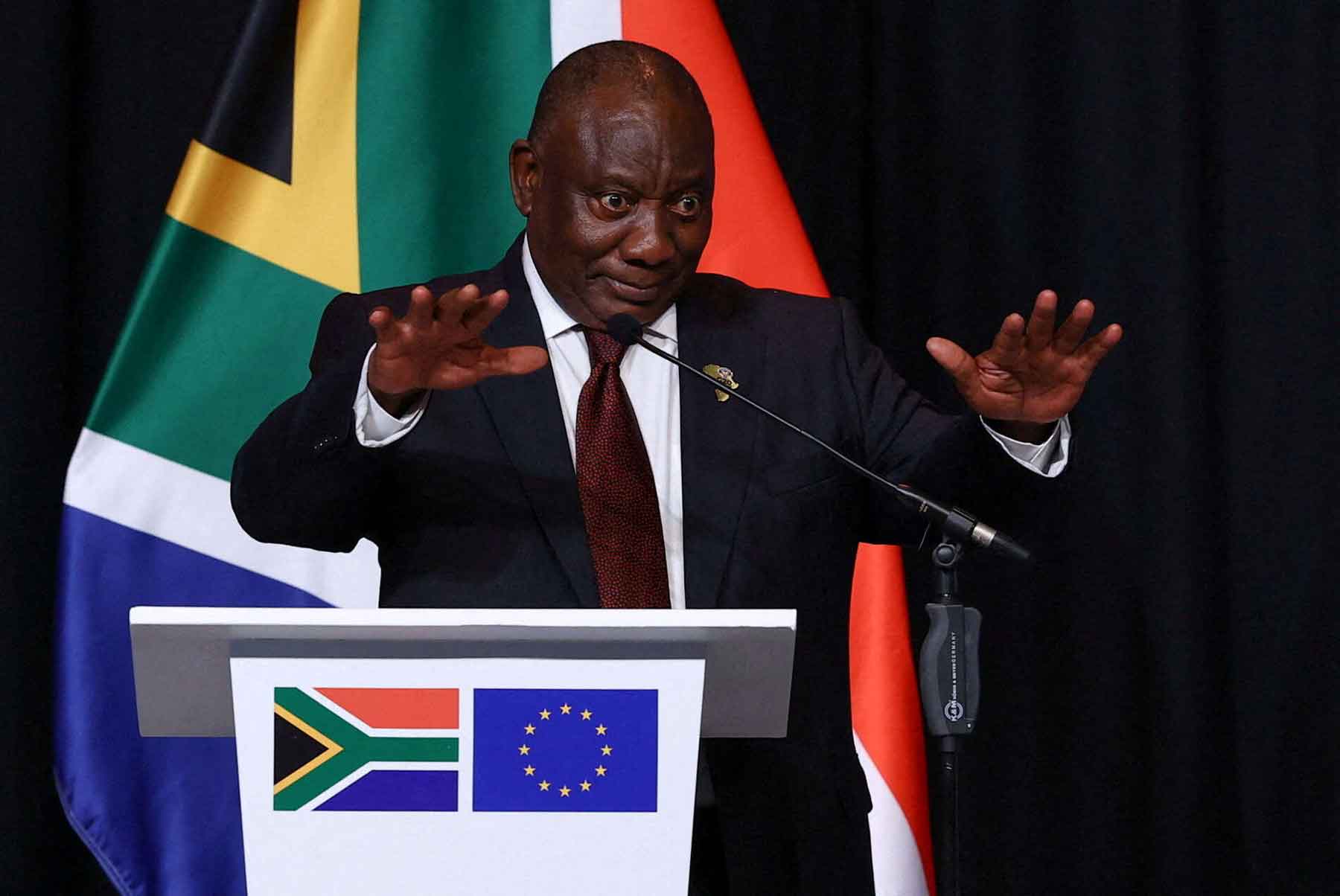
South Africa’s President Cyril Ramaphosa gestures before a news conference in Johannesburg, South Africa, November 20, 2025.
In major shift, South Africa backs UN resolution on Moroccan autonomy plan
South Africa’s repositioning delivers a dual setback: it deprives the Polisario of a crucial ally, and it underscores Algeria’s growing isolation across the continent.
Friday 12/12/2025
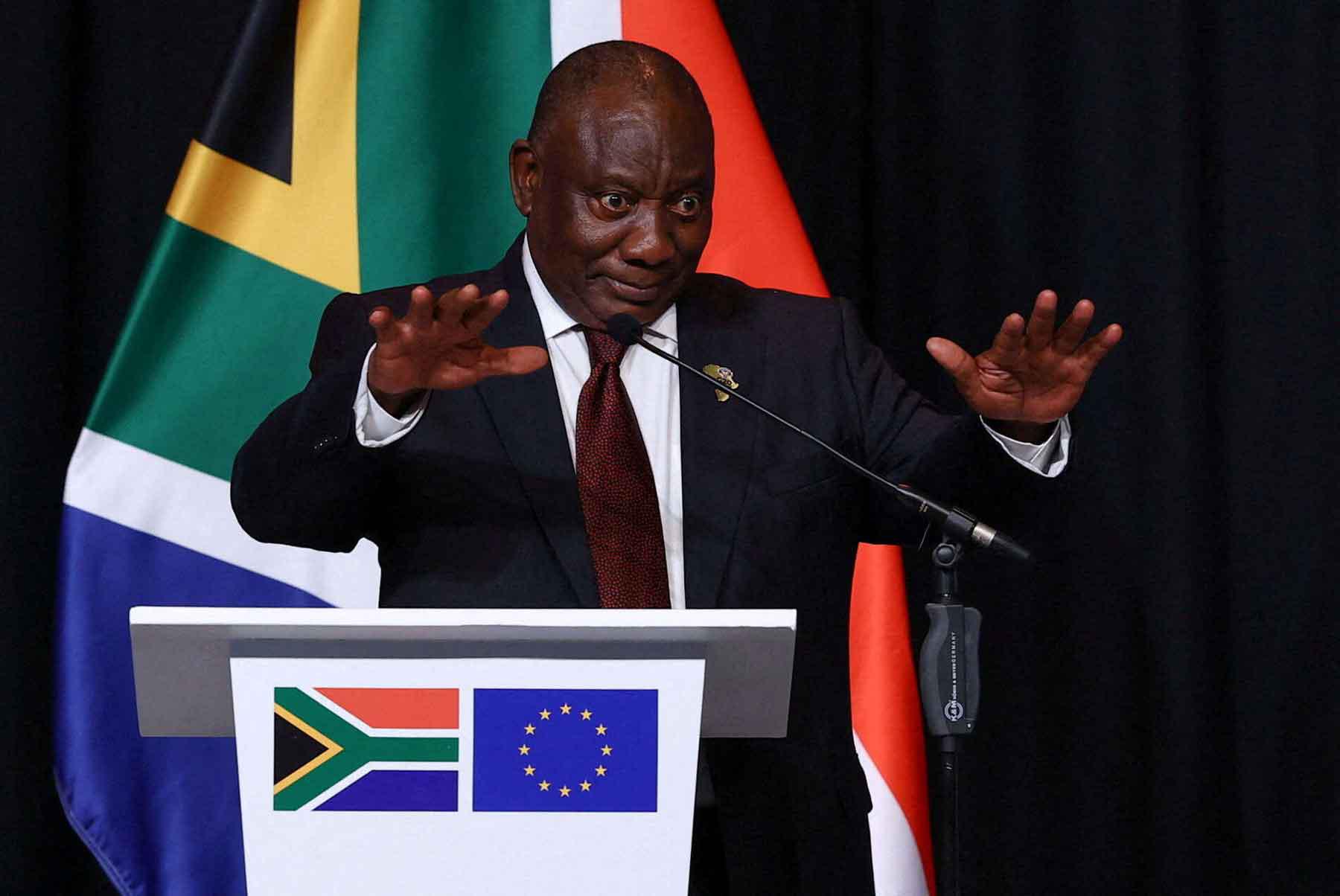
South Africa’s President Cyril Ramaphosa gestures before a news conference in Johannesburg, South Africa, November 20, 2025.
PRETORIA
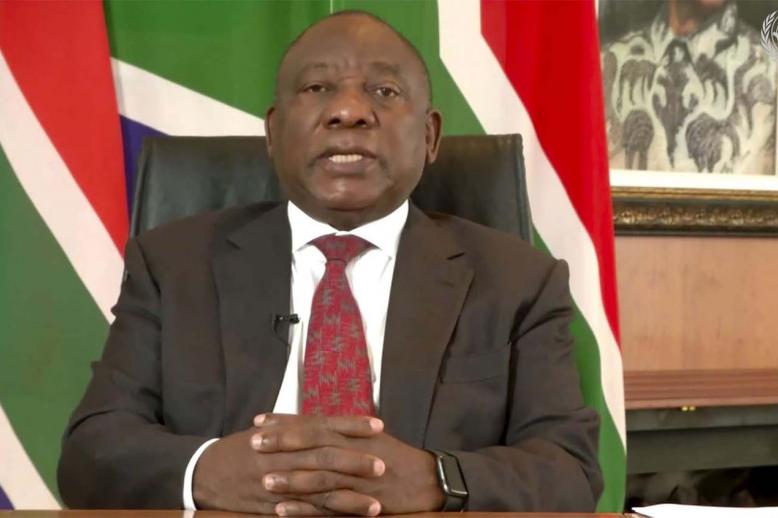
South African President Cyril Ramaphosa welcomed the UN Security Council’s latest resolution on the Western Sahara, signalling an unprecedented shift in Pretoria’s long-standing position on the dispute.
The resolution strongly and explicitly endorsed the autonomy plan under Moroccan sovereignty as the only realistic and workable basis for negotiations, marking a significant departure from South Africa’s historic support for the Polisario Front.
Speaking at a conference of the African National Congress (ANC), Ramaphosa said South Africa “contributes to peace building in a number of regions around the world, including the Sahara,” adding that the Security Council’s latest decision “confirmed the value and credibility of the Moroccan initiative, which encourages South Africa to support a political solution that brings this file to an end.”
The remarks amount to the most consequential shift in Pretoria’s foreign policy since the dispute began. For decades, South Africa, alongside Algeria, had been one of the leading backers of the Polisario’s separatist narrative under the banner of “self-determination.” Ramaphosa’s intervention instead endorses Morocco’s autonomy proposal as the most realistic path forward and signals what observers view as an implicit acknowledgement that the separatist option has effectively run its course.
The shift reflects evolving political and economic dynamics within South Africa, shaped in part by influential business and political figures with growing interests in Morocco. These include billionaire Patrice Motsepe, who has invested about $ 2 billion in Morocco’s insurance sector and former president Jacob Zuma, whose new party has become one of the strongest domestic advocates of strengthening ties with Rabat and recognising Morocco’s sovereignty over the Sahara.
These developments have helped pave the way for a more pragmatic approach that departs from the ideological lens that guided Pretoria’s policy for years. Geopolitical shifts around the dispute, including a rising number of international recognitions of Morocco’s sovereignty over the Sahara and the opening of foreign consulates in the southern provinces, have also eroded the viability of the separatist project in legal and political terms.
A key implication of South Africa’s new stance is the withdrawal of one of the Polisario’s heaviest political backers. Algeria, which has supported the Polisario since its founding, has relied on Pretoria to rally support within the African Union and in international fora. Losing this partnership leaves Algeria facing the erosion of a strategic alliance that for years served as the backbone of continental advocacy for the separatist cause.
South Africa’s repositioning therefore delivers a dual setback: it deprives the Polisario of a crucial ally, and it underscores Algeria’s growing isolation across the continent on a dispute that observers increasingly view as artificial and lacking a viable political horizon. It also highlights the gradual collapse of the support networks that long sustained the separatist narrative.
Ramaphosa noted that Security Council Resolution 2797 “strongly endorsed the autonomy plan and definitively buried the referendum option,” a statement analysts interpret as a rare and explicit acknowledgement that the Polisario’s framing of “self-determination” no longer reflects political realities.
The shift aligns with the broader international consensus, from Europe to the United States and across Africa, in favour of Morocco’s approach rooted in stability, development and pragmatic conflict resolution. Pretoria’s embrace of this trajectory signals recognition that closing the dispute and investing in regional stability offers greater strategic value for African states.
Diplomatic observers say the new stance also illustrates the effectiveness of Morocco’s long-running diplomatic strategy, characterised by a measured tone, an outstretched-hand policy and a refusal to be drawn into media confrontations favoured by Algeria. This steady approach, guided by King Mohammed VI, has helped Rabat secure the support of countries once aligned with opponents of Morocco’s territorial integrity.
Morocco has simultaneously expanded joint investments and deepened political engagement with influential African nations, reshaping continental alliances around shared interests and mutual respect. This has left the Polisario’s ideological discourse increasingly out of step with regional and global political trends.
South Africa’s pivot is expected to reshape the dispute’s balance of power. As a major African actor, Pretoria’s new stance could influence countries that previously maintained ambiguous or Algeria-leaning positions, potentially prompting a broader recalibration of Africa’s approach to the Sahara issue in line with prevailing international support for Morocco’s political proposal.
The shift also places Algeria and the Polisario before a new strategic reality. For the Polisario, it narrows an already shrinking margin for manoeuvre. For Algeria, it complicates efforts to promote its increasingly isolated narrative on the continent.
Beyond its geopolitical significance, South Africa’s new position opens the door to a more substantial reset in relations with Rabat, with notable political and economic potential. By moving away from ideological alignment and adopting a more realistic approach, Pretoria positions itself to engage with Morocco’s strategic initiatives, particularly those advancing continental integration.
The new climate allows South Africa to tap into Moroccan-led partnerships, especially in geo-economic sectors. Among the most prominent is the Atlantic Initiative, which Pretoria could see as an opportunity to link its economy to the maritime and investment routes Morocco is developing along the West African coast. Joint involvement in such projects could launch a new chapter of cooperation, shifting the relationship from decades of tension to a broader strategic partnership that redefines both countries’ roles within Africa.