


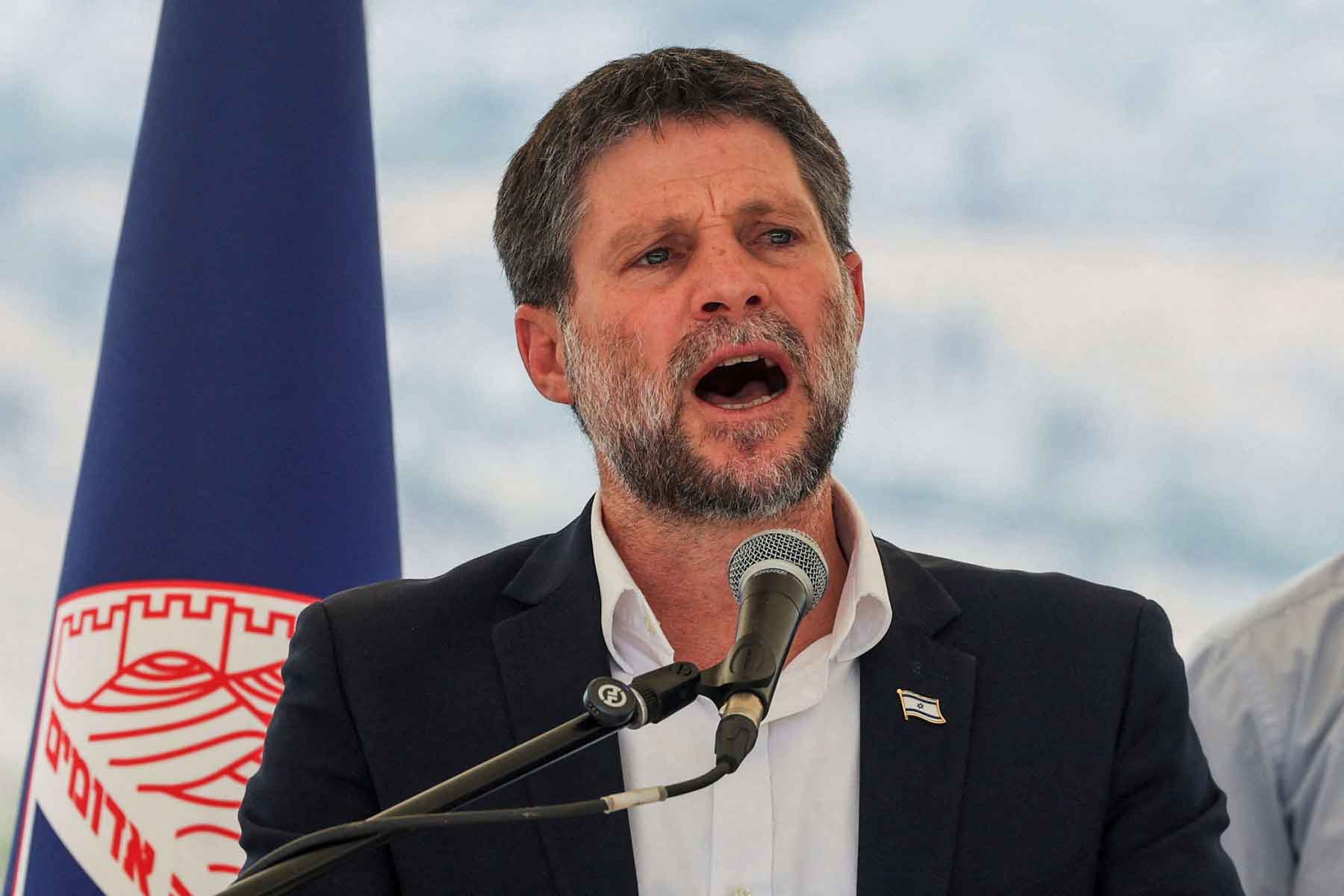
Israeli Finance Minister Bezalel Smotrich speaks at a news conference regarding settlements expansion, near the Israeli settlement of Maale Adumim in the Israeli-occupied West Bank, August 14, 2025.
Israel greenlights major settlement project in East Jerusalem
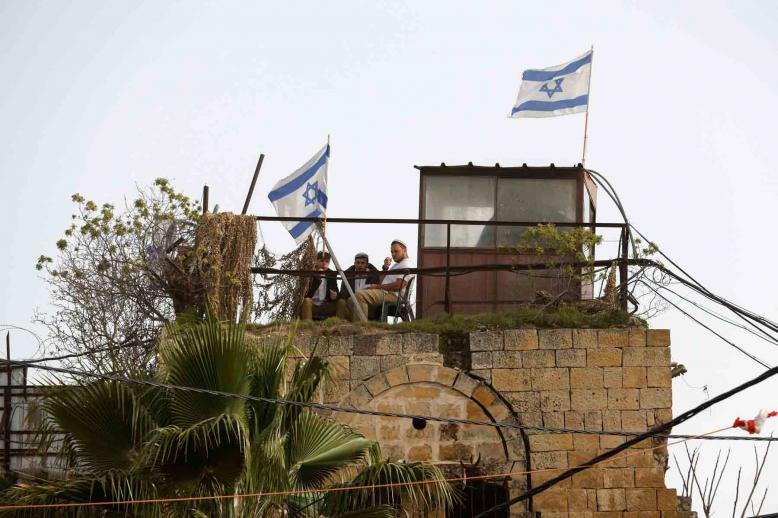
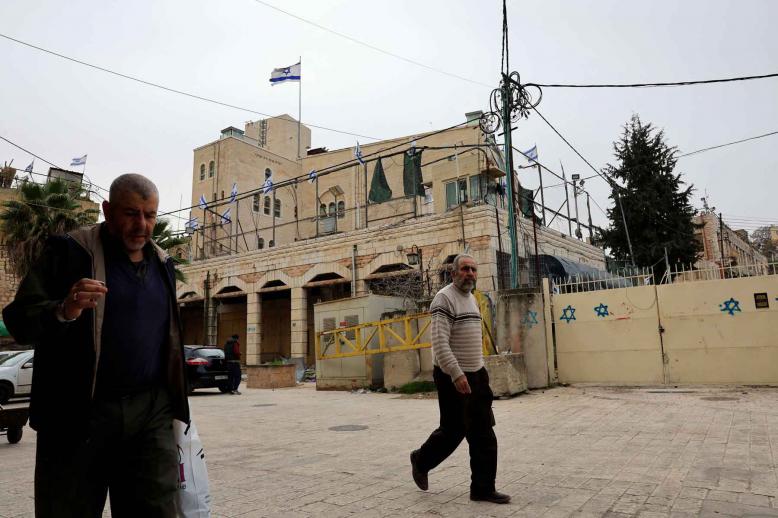
The announcement of plans for the new Jewish settlement comes against the backdrop of a broader push by the Israeli government to expand and formalise settlements.
Friday 19/12/2025
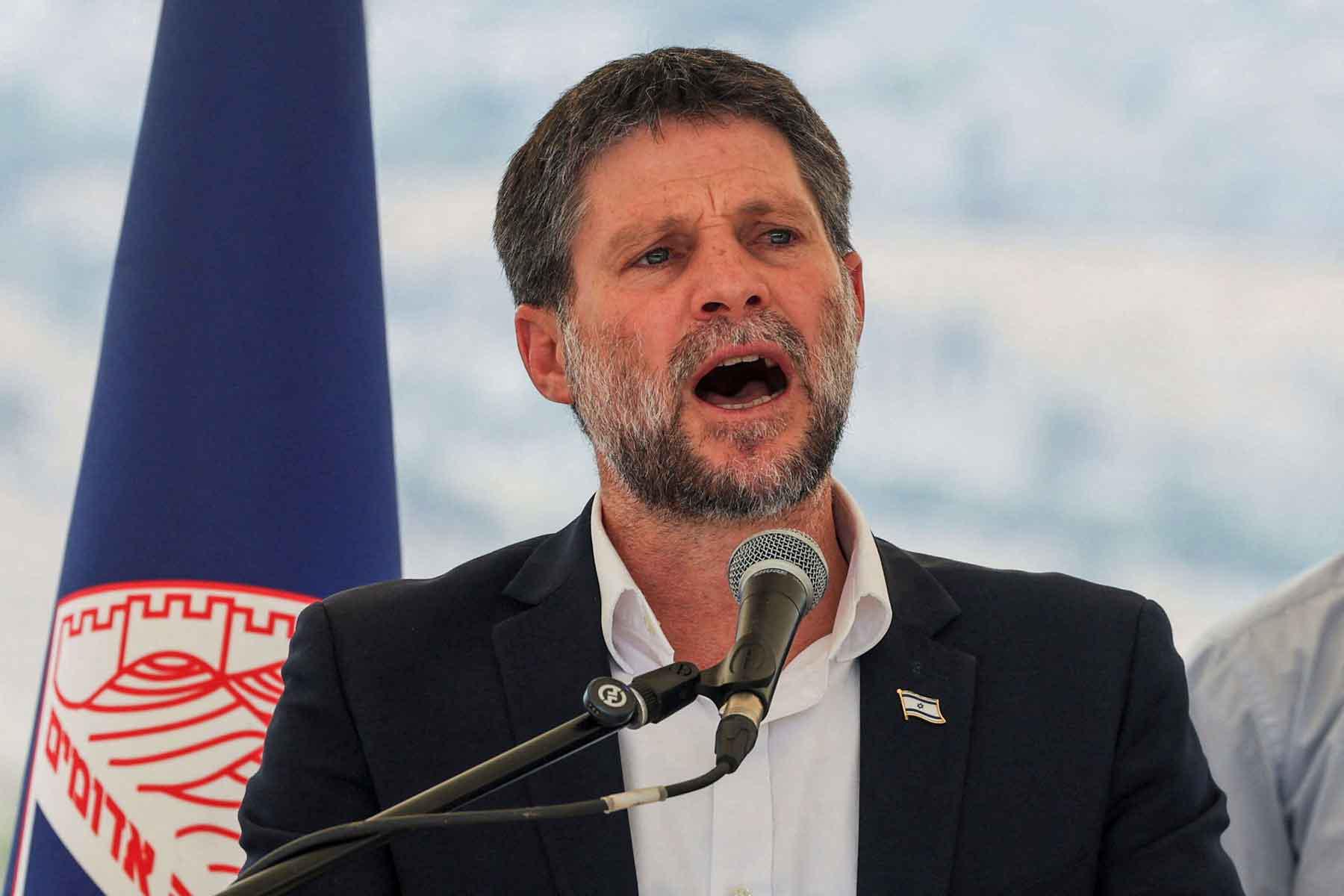
Israeli Finance Minister Bezalel Smotrich speaks at a news conference regarding settlements expansion, near the Israeli settlement of Maale Adumim in the Israeli-occupied West Bank, August 14, 2025.
JERUSALEM –
Israel’s far-right Finance Minister Bezalel Smotrich approved plans for a new Jewish settlement in occupied East Jerusalem, a move that critics say further entrenches Israeli control over Palestinian land and undermines prospects for a two-state solution.
Israeli media reported on Thursday that the project, known as “Mishmar Yehuda,” will include 3,600 housing units and be built on 3,380 dunams (about 835 acres) in the eastern part of the city. Channel 7 said the plan was formally approved by Smotrich, a key ally of Prime Minister Benjamin Netanyahu and a leading advocate of settlement expansion.
Announcing the decision on social media platform X, Smotrich said the settlement would serve as “a strategic base to protect Jerusalem from the east” and form part of Israel’s policy to reinforce its control over the area. He described the plan as “historic,” arguing it would “provide tens of thousands of housing units” and “strengthen the eastern perimeter of Jerusalem.”
Despite the fact that settlements in occupied territory are considered illegal under international law, Smotrich said the project would help solidify Israeli sovereignty and prevent the establishment of a Palestinian state in the occupied West Bank.
The announcement comes against the backdrop of a broader push by the Israeli government to expand and formalise settlements. On December 12, the Israeli cabinet approved the establishment of 19 additional settlements in the West Bank, a step widely seen as accelerating de facto annexation.
The Israeli anti-settlement group Peace Now says around 500,000 Israeli settlers live in settlements across the occupied West Bank, while another 250,000 live in settlements built on land in occupied East Jerusalem.
The group has repeatedly warned that expanding and legalising settlements would effectively end the possibility of implementing a two-state solution, envisaging Israel and a future Palestinian state living side by side, as set out in United Nations resolutions.
International criticism of Israel’s settlement policies has intensified in recent months, with the United Nations reiterating that settlements in occupied Palestinian territories are illegal and erode the viability of a negotiated political solution.
Peace Now has previously described similar settlement plans as a “fatal blow” to the two-state framework, saying they would sever the West Bank and isolate East Jerusalem from its Palestinian hinterland.
The new settlement plan was announced amid heightened violence in the West Bank and Jerusalem since the outbreak of the Gaza war in October 2023. According to Palestinian officials, Israeli forces and settlers have killed more than 1,000 Palestinians in the West Bank since the war began, while thousands more have been wounded and tens of thousands arrested.
Palestinians seek East Jerusalem as the capital of a future independent state, a position backed by international law, which does not recognise Israel’s occupation of the city in 1967 or its subsequent annexation. Successive Israeli governments have rejected withdrawal from East Jerusalem and have continued to expand settlements there, despite decades of international opposition.