

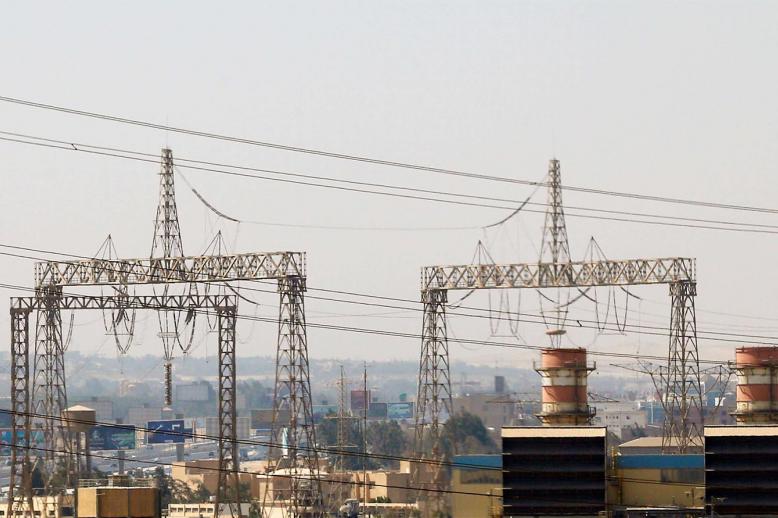

The sun is seen behind high-voltage power lines and electricity pylons at a highway northeast of Cairo.
Egypt tightens electricity theft penalties amid $460 million losses
Despite the objections, the Senate passed the amendments, signalling the government’s determination to crack down on electricity theft.
Monday 22/12/2025
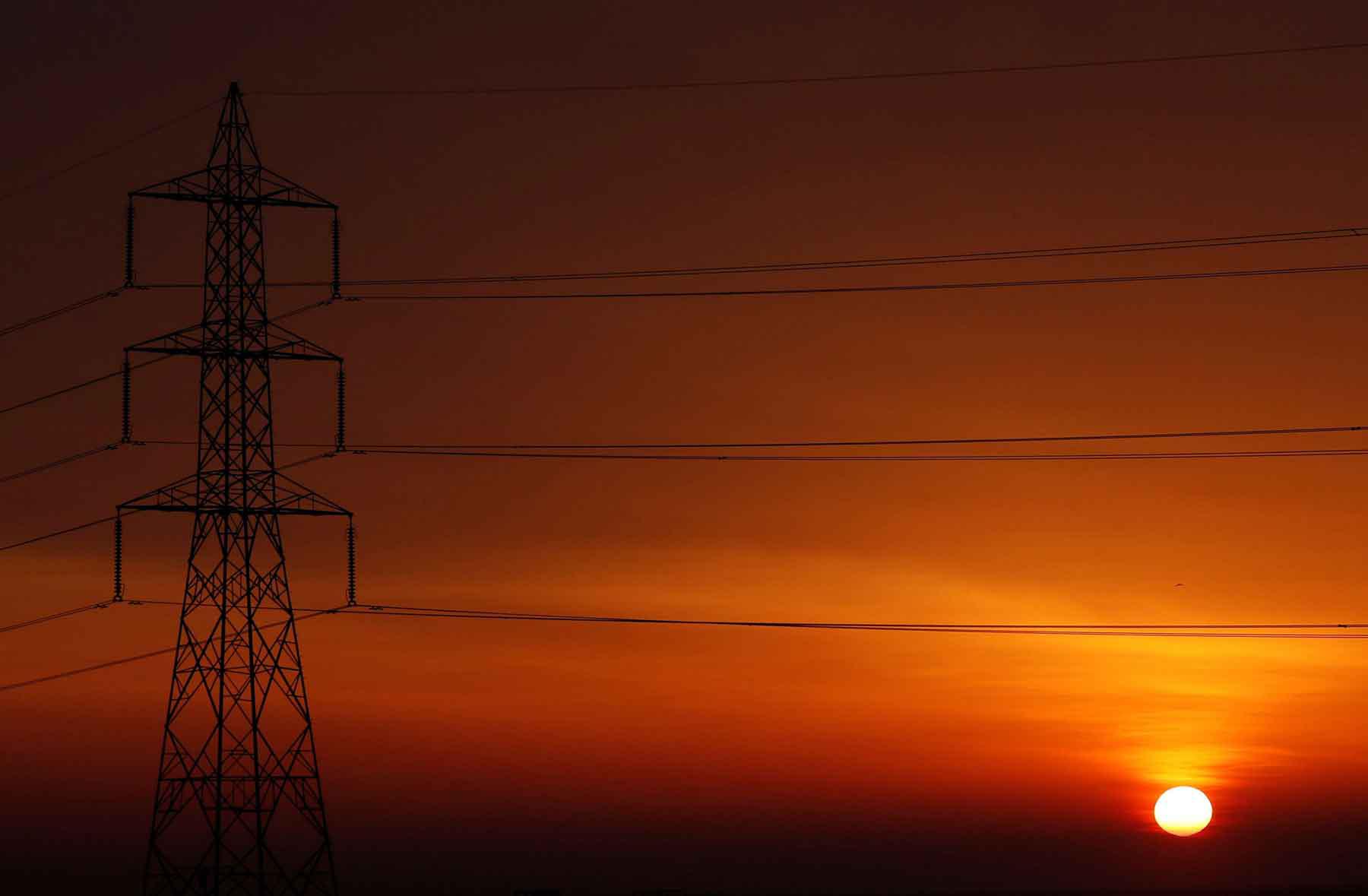
The sun is seen behind high-voltage power lines and electricity pylons at a highway northeast of Cairo.
CAIRO –
Egypt’s Senate approved sweeping amendments to the country’s Electricity Law, sharply increasing penalties for illegal power connections in a move aimed at curbing widespread electricity theft that officials say costs the state billions each year, but which has sparked political controversy.
Under the revised law, anyone found to have illegally tapped into the electricity grid faces a mandatory prison sentence of at least one year and a fine ranging from 100,000 to one million Egyptian pounds ($2,100–$21,000), with lawmakers rejecting proposals to ease penalties or introduce differentiated brackets.
The tougher measures come as the government estimates losses from electricity theft at more than 22 billion pounds ($460 million) annually, placing strain on an already stretched power sector.
The amendments also target abuses by employees in the electricity sector. Any official who illegally connects electricity “during or because of their duties” will face the same penalties, while those who are aware of violations and fail to report them, or who deliberately withhold licensed services without legal justification, will also be punished. Penalties are doubled for repeat offenders.
In cases involving deliberate tampering with electricity production, transmission or distribution equipment, the punishment rises to a minimum of two years in prison and fines of 200,000 to two million pounds ($4,200–$42,000).
Convicted offenders will also be required to repay the value of the stolen electricity and the costs of restoring infrastructure. The law allows for reconciliation with the electricity ministry if offenders pay for the stolen power before or during legal proceedings, or triple its value once a final verdict is issued, in which case criminal charges are dropped.
Supporters of the amendments say the measures are long overdue.
Senator Adel Zidan described the changes as “a decisive step to protect the state’s rights and entrench justice”, saying they would address power theft and help recover public funds.
Deputy Electricity Minister Sabah Mashali told the chamber the bill was “the result of precise monitoring of field practices that harmed the national grid”, noting that electricity losses amount to around 20 percent of total annual production.
She said the ministry had issued around 3.4 million reports related to electricity theft and that existing penalties “did not succeed in achieving sufficient deterrence.” Mashali added that government subsidies can reach 1.73 pounds per kilowatt hour, increasing the financial burden on the state.
But critics warned the tougher penalties risk unfairly targeting ordinary citizens while failing to address deeper structural issues.
Tagammu Party leader Sayed Abdel-Aal rejected the amendments, saying the government monopolised electricity pricing and costs. “What are the bases for electricity pricing? How much of its revenue is consumed by salaries and bonuses, and how much is allocated to the service and its continuity?” he asked, arguing that penalties should not fall solely on citizens, particularly when illegal connections also occur in workshops, factories and farms.
Egyptian Social Democratic Party lawmaker Ayman Al-Safti also opposed the bill, saying several articles required careful review to assess whether they could achieve their intended purpose.
MP Amira Saber warned of a “distortion of punitive justice” after the minimum fine was raised to 100,000 pounds, saying it unfairly equated large commercial offenders with low-income households that may steal electricity out of necessity.
Despite the objections, the Senate passed the amendments, signalling the government’s determination to crack down on electricity theft as it seeks to protect public finances and stabilise a vital sector amid economic pressures.