

An expertise that extended beyond drones
Tunis court hands life sentences over killing of Hamas drone engineer
All 11 accused, none of whom were present in court, remain at large. They were tried for the deliberate killing of Zouari.
Wednesday 24/12/2025
An expertise that extended beyond drones
TUNIS –
A Tunisian court on Tuesday delivered landmark rulings in the high-profile case of Mohamed Zouari, the Tunisian aeronautical engineer and senior figure in Hamas’s armed wing, sentencing 11 defendants to life imprisonment over his assassination.
The verdict, announced by the defence lawyer on social media, followed a session at the Criminal Chamber for Terrorism Cases at the Tunis Primary Court. All 11 accused, none of whom were present in court, remain at large. They were tried for the deliberate killing of Zouari.
Authorities previously identified the defendants as including Bosnian nationals Eric Sarak and Alan Kamzich, the alleged executioners, six other foreign nationals, and three Tunisians.
Zouari, aged 49 at the time of his death, was shot outside his home in Sfax, southern Tunisia, on December 15, 2016. Attackers fired 20 bullets as he prepared to enter his car. At the time, Zouari was pursuing a PhD project on remote-controlled submarines and had been training young Tunisians in drone technology through the South Model Aviation Club he founded in Sfax.
Following the assassination, Hamas publicly confirmed Zouari’s membership in its military wing, the Izz ad-Din al-Qassam Brigades and his oversight of the Ababil 1 drone programme used during the 2014 war with Israel. The group accused Israel’s Mossad of orchestrating the killing, a charge Israel routinely neither confirms nor denies.
Born in 1967 in Tunisia, Zouari studied aeronautical engineering at the University of Sfax and went on to play a key role in developing unmanned aerial vehicles for Hamas. After joining the Qassam Brigades in 2006, he worked alongside senior Iraqi officers to produce a drone named “SM” in honour of former Iraqi President Saddam Hussein. By 2008, Zouari had completed 30 drones, which were subsequently used in military operations in Gaza.
Between 2012 and 2013, he spent nine months in Gaza supervising the development of the Ababil 1 drone. He also travelled to Iran with Qassam engineers to consult with experts in drone technology. After the fall of Tunisia’s Ben Ali regime in 2011, Zouari returned to Tunisia, graduating from the National Engineering School of Sfax in 2013. He worked as a technical director in mechanical engineering companies and lectured at the university.
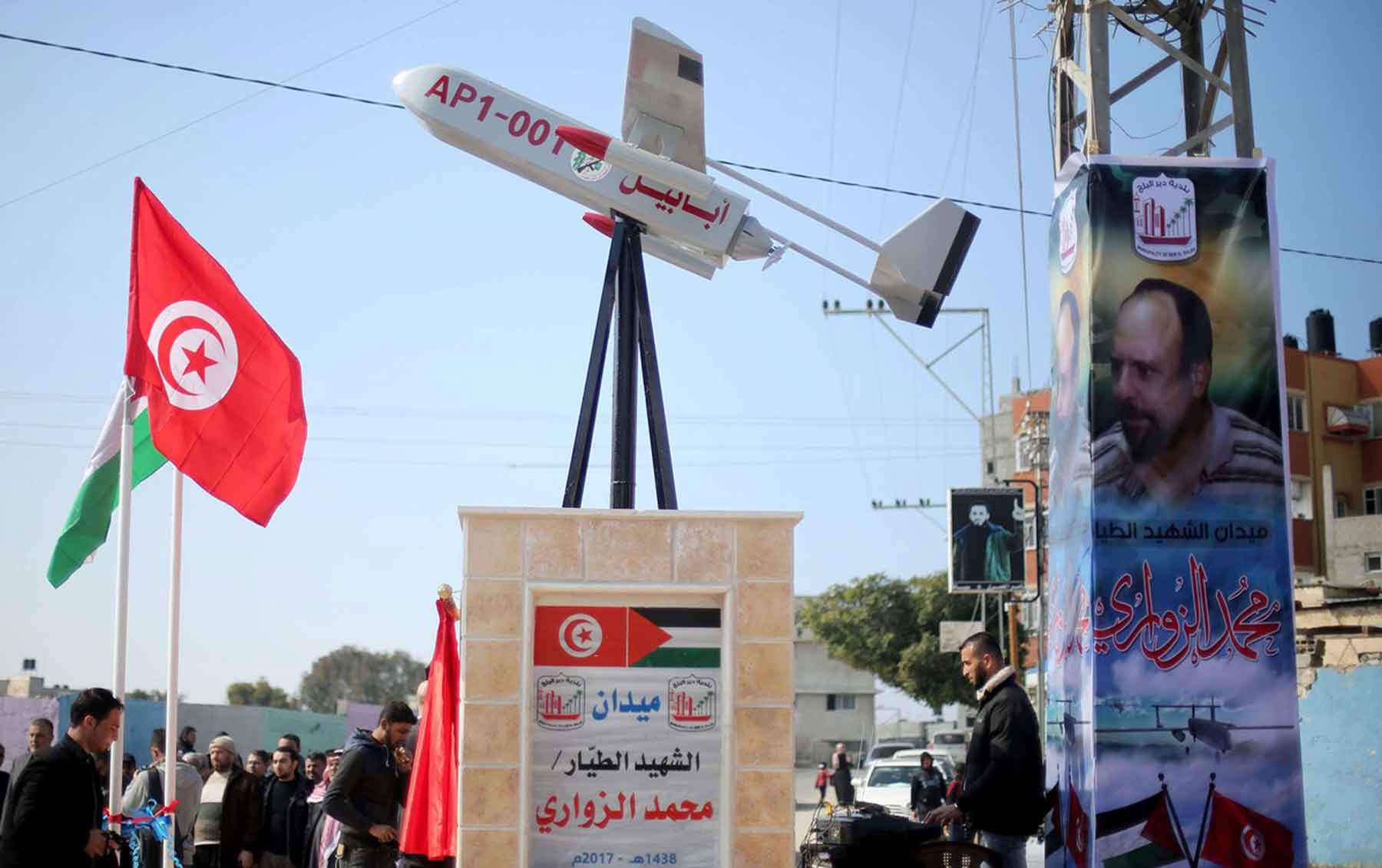
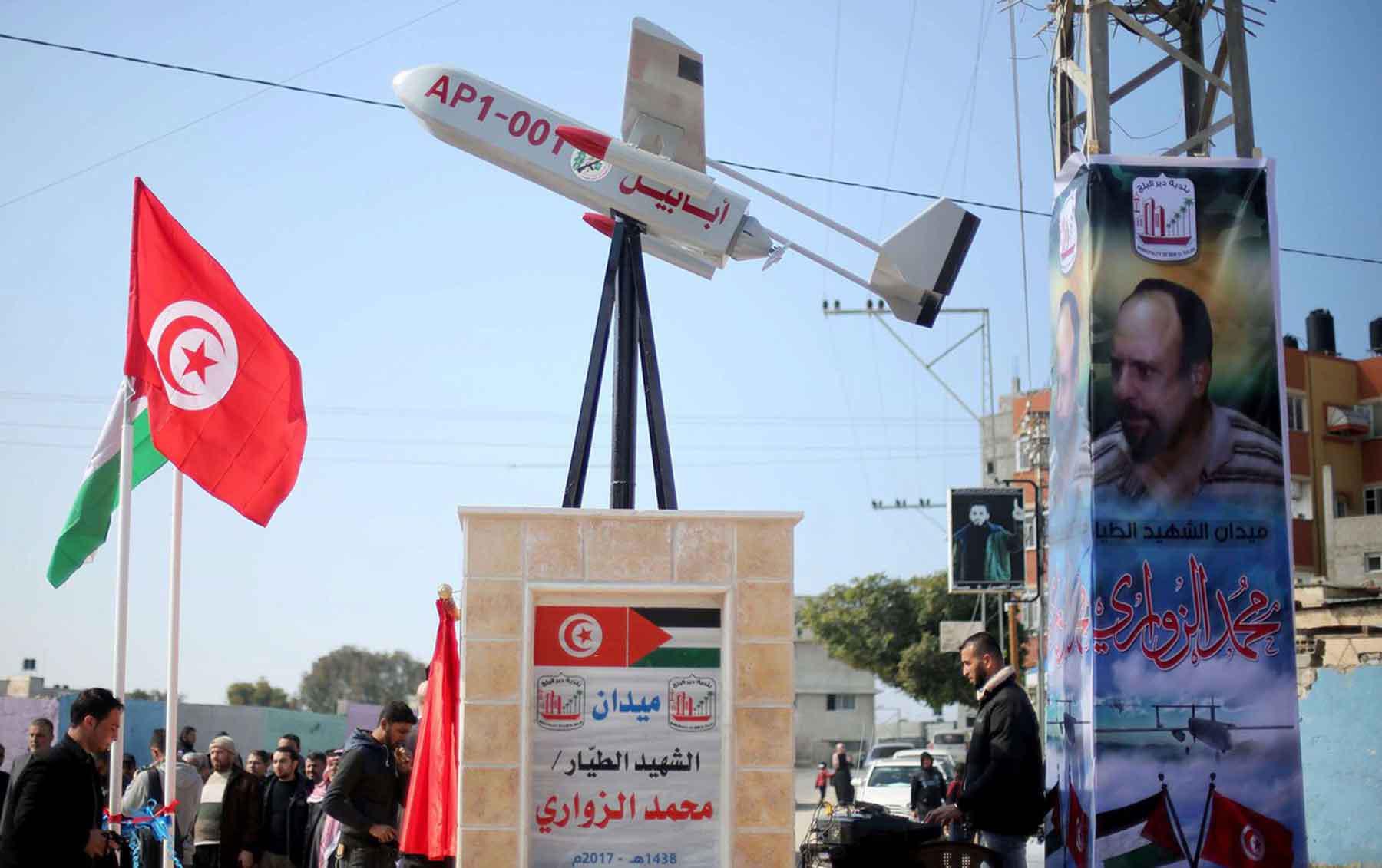
Zouari’s expertise extended beyond drones; he also developed remote-controlled submarines and marine drones. In recognition of his contributions, Hamas has named a suicide drone and an unmanned submarine after him, celebrating him as a symbol of technological resistance.
The ruling on Tuesday, which also included sentences exceeding 100 years for each defendant on other terrorism-related charges, is regarded as one of the most significant judicial developments in the case. It comes nearly a decade after Zouari’s assassination, which sparked intense debate in Tunisia and across the Arab world over the involvement of foreign intelligence services, particularly Mossad.
Legal analysts describe the ruling as a rare instance of accountability in a politically-sensitive case with international implications, though the absence of the accused leaves questions over enforcement and potential extradition.
Zouari’s legacy endures in Palestine and among supporters of the Palestinian resistance, with his work seen as a turning point in the use of unmanned aerial technology for the Qassam Brigades.