

Strong intent to elevate Egyptian-Moroccan relations
Egypt-Morocco ties gain momentum as ministers prepare joint commission
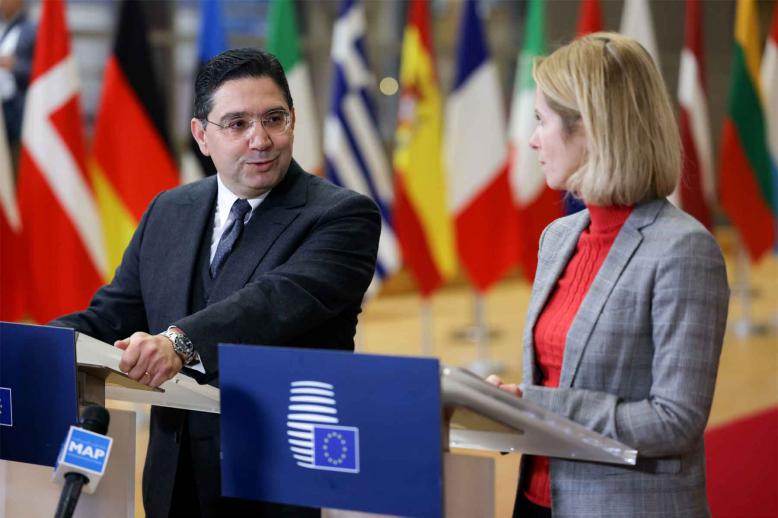
Beyond bilateral cooperation, Abdelatty and Bourita exchanged views on a number of regional and international issues of mutual concern.
Monday 29/12/2025
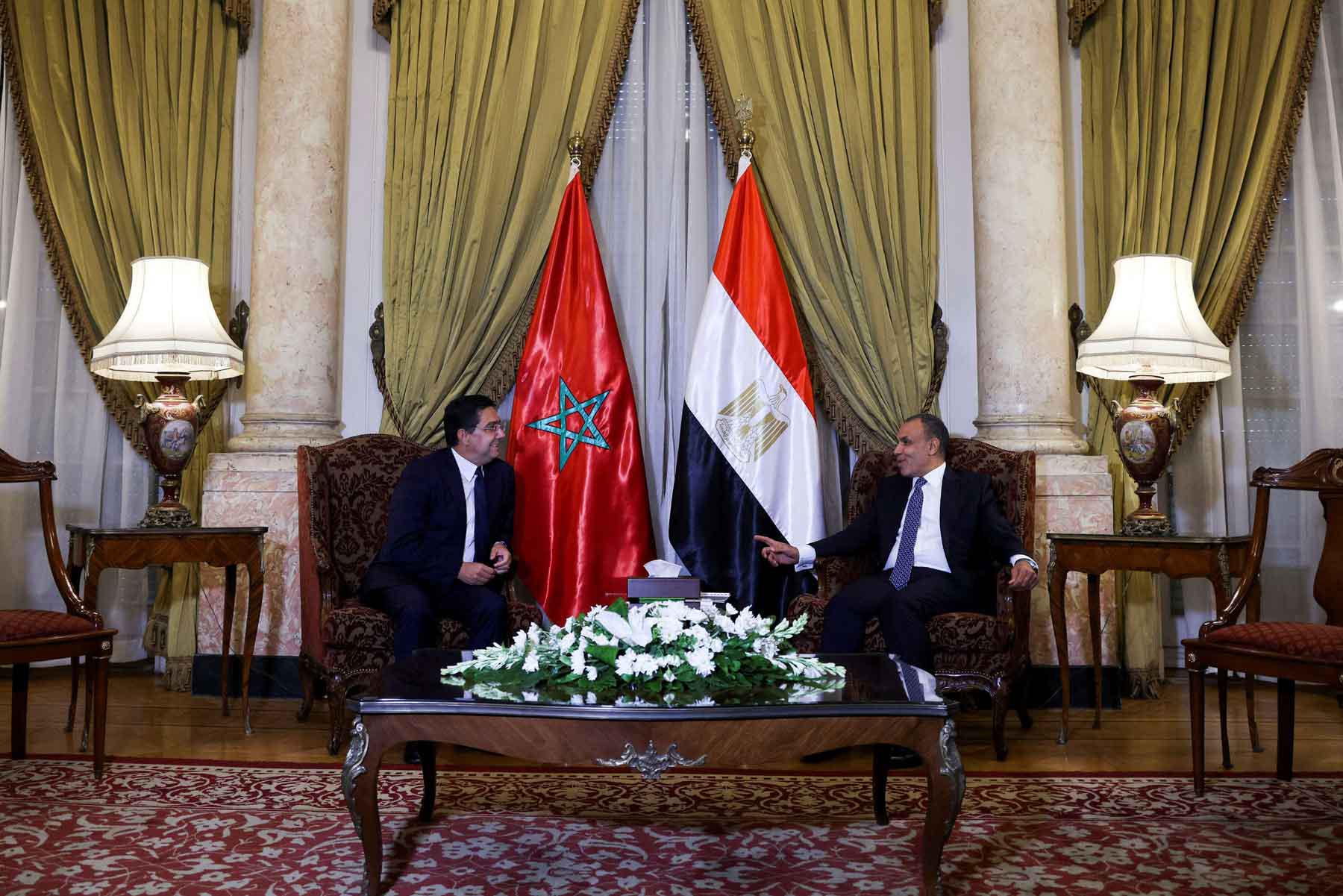
Strong intent to elevate Egyptian-Moroccan relations
CAIRO/RABAT –
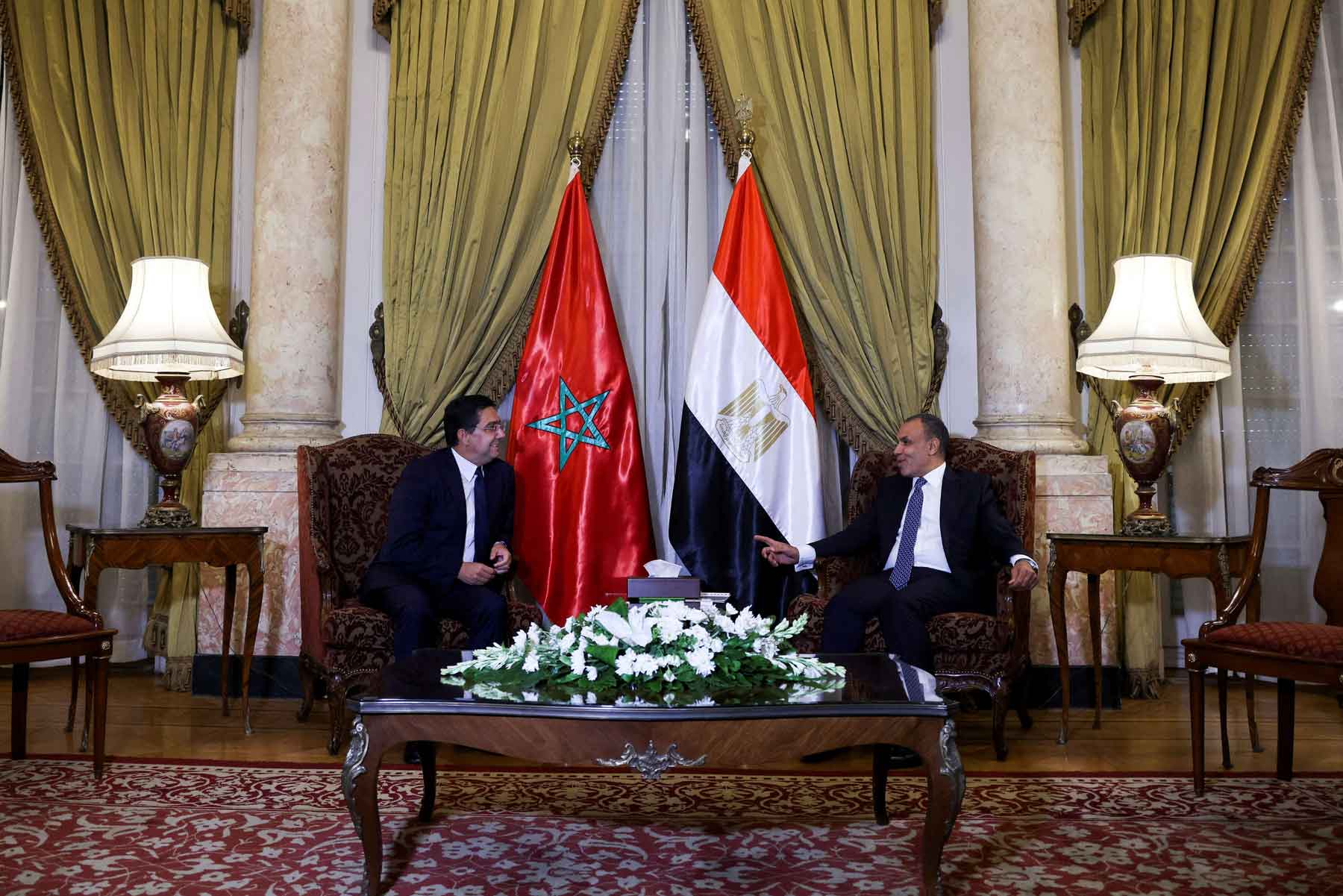
Egypt and Morocco have taken a further step towards strengthening bilateral cooperation, as Egyptian Foreign Minister Badr Abdelatty held talks with his Moroccan counterpart Nasser Bourita on preparations for convening a joint coordination and follow-up commission, alongside discussions on key regional developments in the Middle East and Africa.
The telephone call comes amid growing momentum in Egyptian-Moroccan relations at multiple levels, reflecting a shared political will to expand cooperation into broader and more effective areas. Officials on both sides see the move as part of a wider effort to deepen strategic coordination between Cairo and Rabat against a backdrop of regional instability.
In a statement, Egypt’s foreign ministry said the two ministers reviewed arrangements for holding the joint commission, which will be chaired by the prime ministers of both countries and is expected to convene in the coming period. The mechanism is seen as a key step towards reinforcing political and economic coordination, with the aim of advancing cooperation across a range of sectors and serving the shared interests of the two peoples, while also strengthening joint Arab and African action.
The talks followed up on understandings reached during Abdelatty’s visit to Rabat in May, when the two sides agreed to establish the commission under the leadership of their prime ministers, with the participation of economic ministers and senior officials from both countries. The commission will operate under the umbrella of the Higher Joint Committee, co-chaired by Egyptian President Abdel Fattah al-Sisi and Morocco’s King Mohammed VI.
Officials expect the body to meet regularly, alternating between Egypt and Morocco, a structure designed to give sustained momentum to cooperation. Regular meetings are expected to bolster economic, trade and investment ties, while also enabling both countries to make better use of shared regional frameworks to enhance their influence and role across the Arab world and Africa.
Beyond bilateral cooperation, Abdelatty and Bourita exchanged views on a number of regional and international issues of mutual concern. These included developments related to the Palestinian cause, as well as the situations in Sudan and Libya, alongside broader dynamics across the African continent. The discussions underlined what diplomats described as a shared understanding of the need for close political and diplomatic coordination to address regional challenges and support stability in conflict-affected areas.
Both ministers stressed the importance of maintaining regular consultation on regional files in order to strengthen joint Arab and African action. The emphasis on coordination reflects Cairo and Rabat’s aspiration to play an active and constructive role in regional affairs, particularly at a time when parts of the Middle East and Africa are facing significant political, economic and security pressures.
On the economic front, the joint commission is expected to play a central role in driving investment and joint projects, as well as boosting trade exchanges in a way that supports economic integration and delivers tangible benefits for both countries. The platform is also intended to facilitate the exchange of expertise in areas such as industrial development, agriculture, tourism and energy, pointing to a strategic approach aimed at building a comprehensive and sustainable partnership.
Overall, the latest contact and progress towards activating the joint commission signal strong political intent on both sides to elevate Egyptian-Moroccan relations in a balanced and multi-dimensional manner. With a focus on political coordination alongside deeper economic and investment cooperation, officials say the relationship has entered a new phase of maturity and stability, offering wide scope for enhancing the two countries’ role on the Arab and African stages.