

Uncompromising rhetoric
Khamenei brands protesters ‘vandals,’ accusing them of serving US
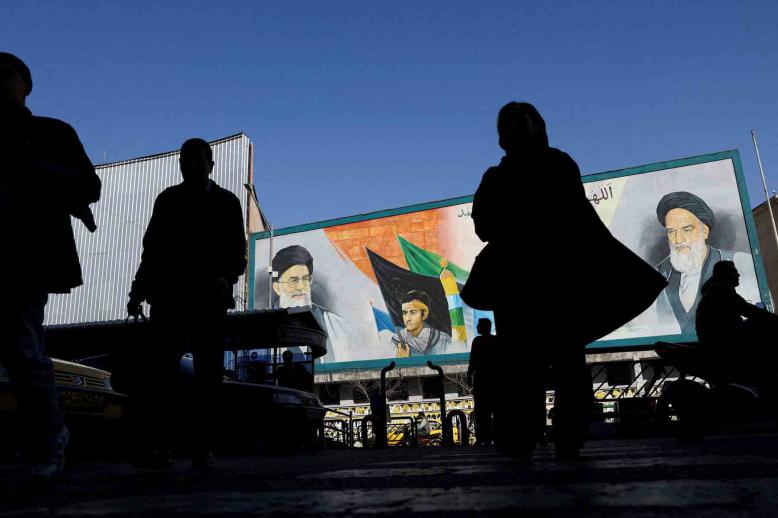
As protests continue to spread, Khamenei’s uncompromising rhetoric signals that Iran’s leadership is preparing for confrontation rather than compromise.
Friday 09/01/2026
Uncompromising rhetoric
TEHRAN –
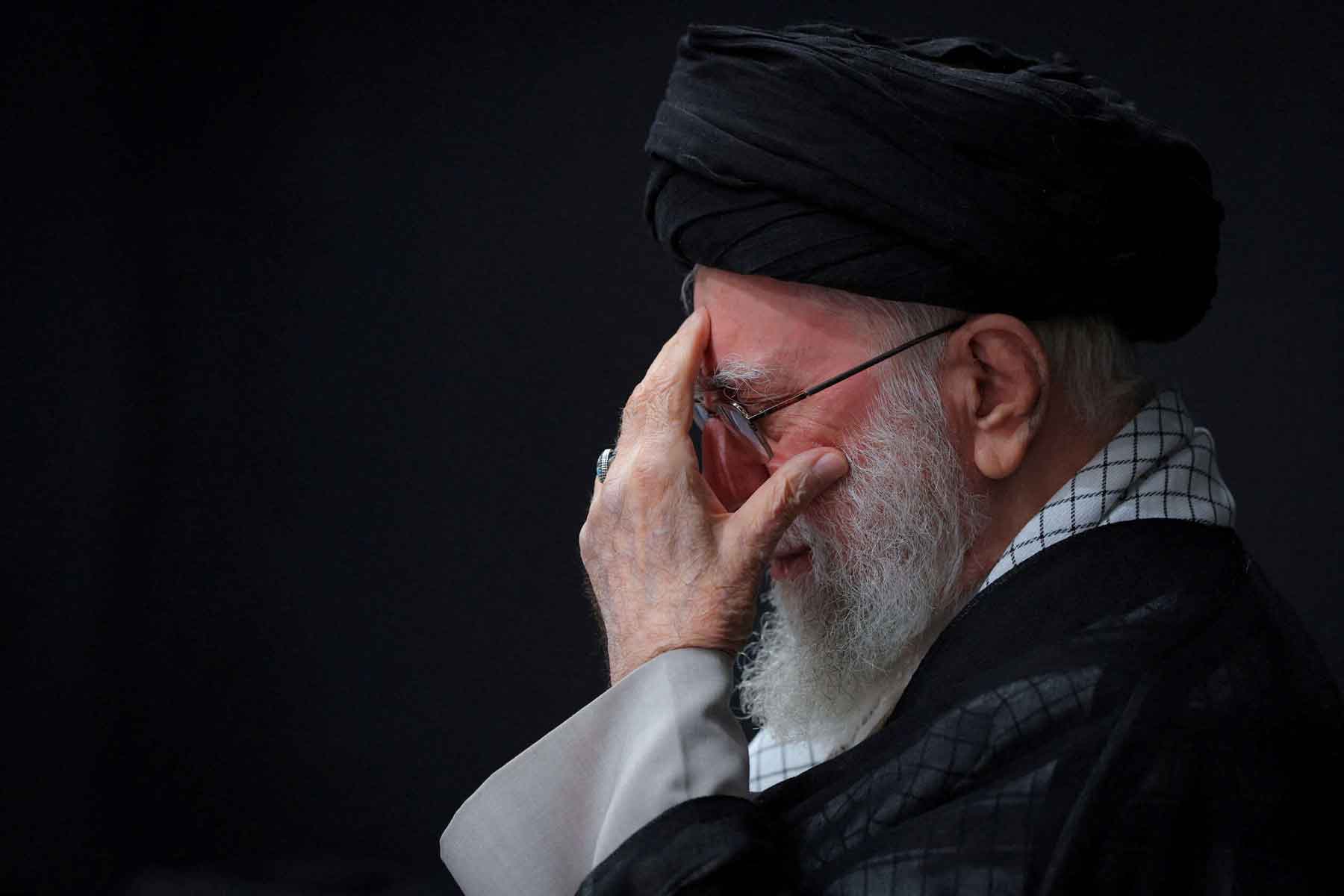
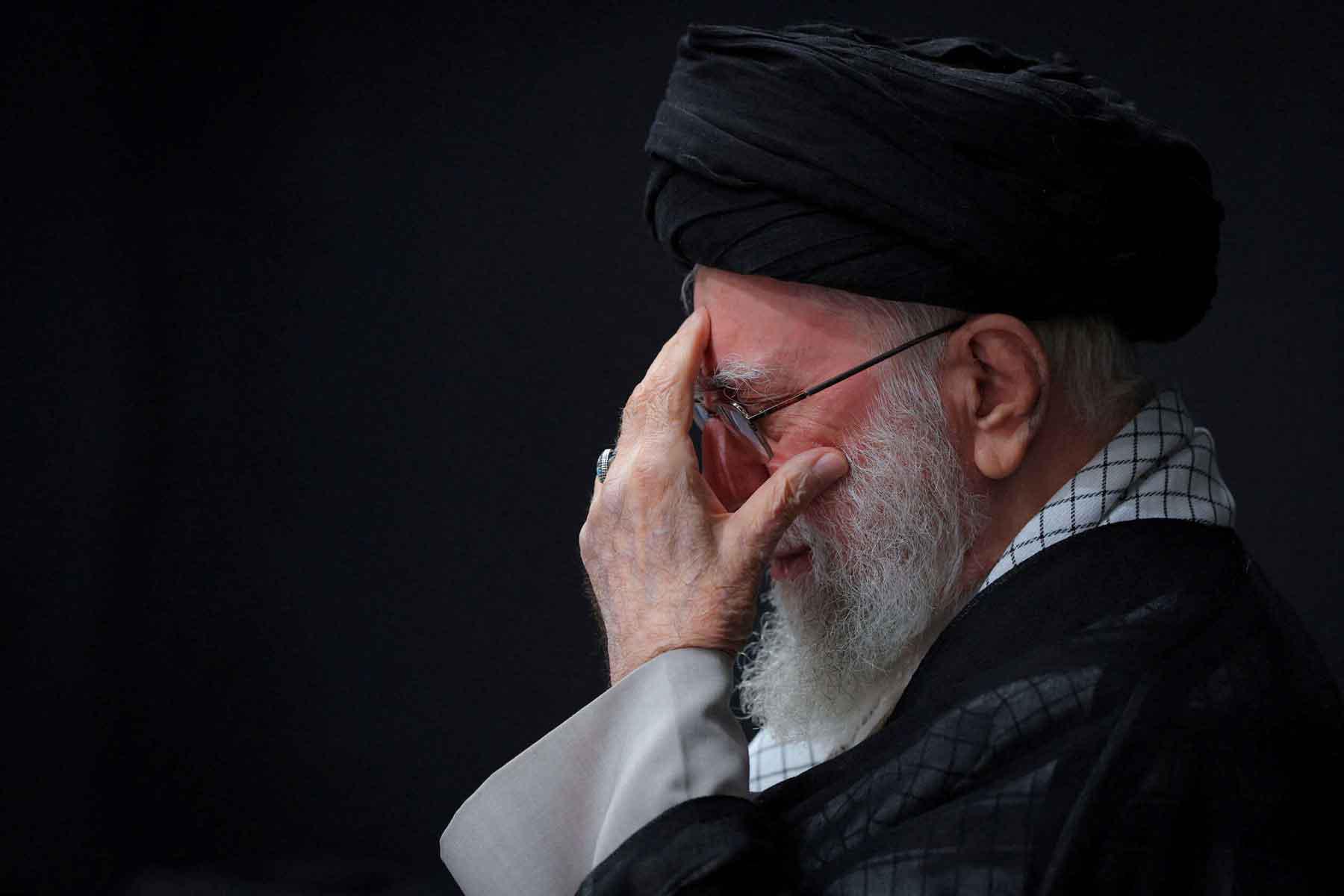
Iran’s supreme leader Ayatollah Ali Khamenei struck a defiant and confrontational tone on Friday, insisting that the Islamic republic would “not back down” in the face of mounting protests, as demonstrations over soaring living costs swelled into the largest rallies yet of a movement now entering its second week.
In his first public comments since the unrest erupted on January 3, Khamenei dismissed demonstrators as “vandals,” “rioters” and “saboteurs,” accusing them of acting as mercenaries for foreign powers and singling out the United States and President Donald Trump as the ultimate instigators of the unrest. Speaking in a televised address broadcast on state media, he said Tehran would not tolerate attacks on public property or challenges to the foundations of the Islamic republic.
“Last night in Tehran, a bunch of vandals and rioters came and destroyed a building that belonged to the state, to the people themselves, just to please the heart of the president of the United States,” Khamenei said, urging Trump to “manage your own country”. Addressing supporters who repeatedly chanted “death to America”, he accused protesters of deliberately targeting public institutions in order to provoke chaos and curry favour with Washington.
Khamenei went further, alleging that Trump’s “hands are stained with the blood of more than a thousand Iranians,” an apparent reference to Israel’s June war against Iran, which the United States supported and joined with its own strikes. He warned that Tehran would not allow Iranians to act as “mercenaries for foreigners,” adding that the Islamic republic, forged through the sacrifice of “hundreds of thousands of honourable people,” would not retreat in the face of what he described as foreign-backed sabotage.
Predicting that the “arrogant” US president would eventually be “overthrown,” Khamenei likened Trump’s fate to that of Iran’s imperial dynasty, toppled during the 1979 revolution. “Everyone knows the Islamic republic came to power with the blood of hundreds of thousands of honourable people,” he said. “It will not back down in the face of saboteurs.”
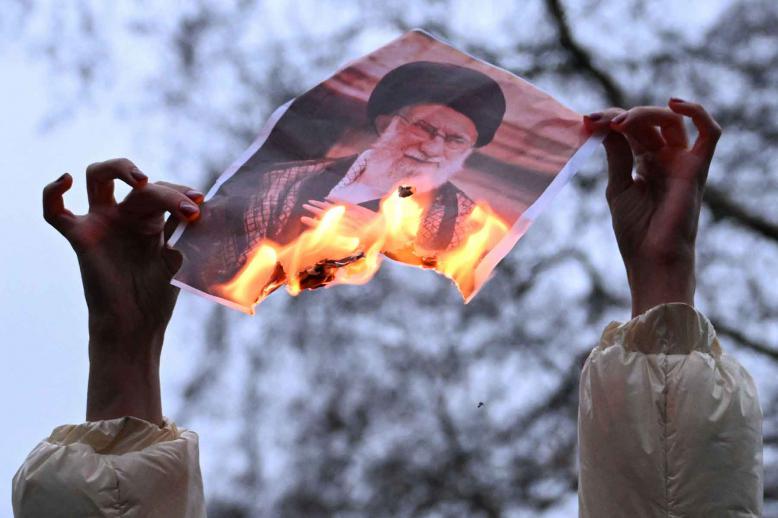
His remarks came as crowds across Iran poured into the streets late on Thursday, chanting slogans including “death to the dictator” and setting fire to official buildings in scenes that underscored the scale and intensity of the challenge confronting the clerical establishment. Protesters marched through major cities, openly calling for an end to the Islamic republic’s theocratic rule, in what analysts describe as one of the most serious episodes of unrest in the country’s four-and-a-half-decade history.
Internet monitor Netblocks said authorities imposed a total nationwide connectivity blackout late on Thursday, adding early Friday that Iran had “now been offline for 12 hours,” a move widely seen as an attempt to suppress the protests and restrict the flow of images and information.
US President Donald Trump responded late on Thursday by praising what he called the “incredible enthusiasm” to overturn Iran’s leadership, warning that if the authorities killed protesters, “we’re going to hit them very hard. We’re ready to do it.” His comments were seized upon by Tehran as evidence of foreign interference, reinforcing Khamenei’s narrative that the protests are being orchestrated from abroad.
Iran’s fragmented opposition groups outside the country also sought to capitalise on the momentum. Reza Pahlavi, the US-based son of the late shah overthrown in 1979, called for more demonstrations, telling Iranians in a social media post: “The eyes of the world are upon you. Take to the streets.”
Videos showed large crowds and vehicles honking in support along parts of Tehran’s vast Ayatollah Kashani Boulevard late on Thursday, with chants of “death to the dictator” clearly audible, a direct reference to Khamenei, who has ruled Iran since 1989. Other footage showed significant protests in cities including Tabriz in the north, the holy city of Mashhad in the east, and the Kurdish-populated west, including the regional hub of Kermanshah.
Several videos appeared to show protesters setting fire to the entrance of a regional branch of state television in the central city of Isfahan, while flames were also reported at the governor’s building in Shazand, the capital of Markazi province, after crowds gathered outside. The images could not be independently verified, but they echoed a pattern of anger directed at symbols of state authority.
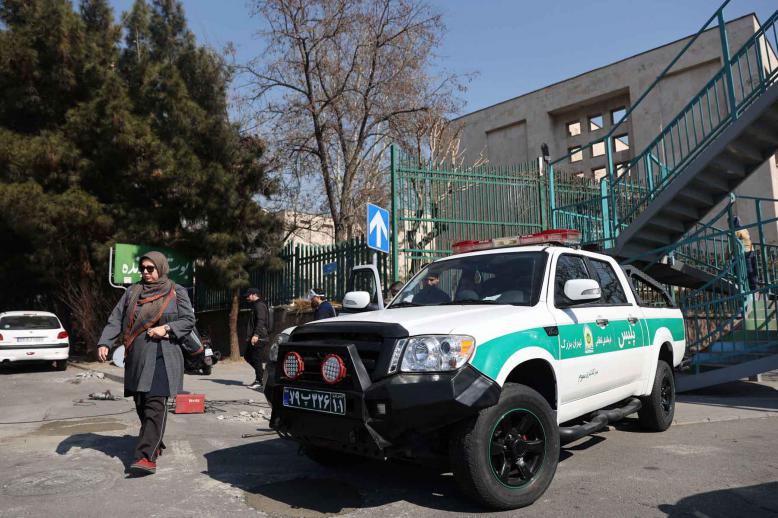
The demonstrations mark the biggest wave of unrest since the nationwide protests of 2022-2023, triggered by the death in custody of Mahsa Amini after her arrest for allegedly violating Iran’s strict dress code. Rights groups have accused Iranian authorities of firing on protesters during the current unrest, killing dozens, though recent footage from Tehran did not show direct intervention by security forces.
In a new video message early on Friday, Reza Pahlavi said Thursday’s rallies demonstrated how “a massive crowd forces the repressive forces to retreat”, urging Iranians to mobilise again. “We must make the crowd even larger,” he said, “so that the regime’s repressive power becomes even weaker.”
As protests continue to spread, Khamenei’s uncompromising rhetoric signals that Iran’s leadership is preparing for confrontation rather than compromise, framing the unrest not as a domestic outcry over economic hardship, but as a foreign-fuelled assault on the Islamic republic itself.