


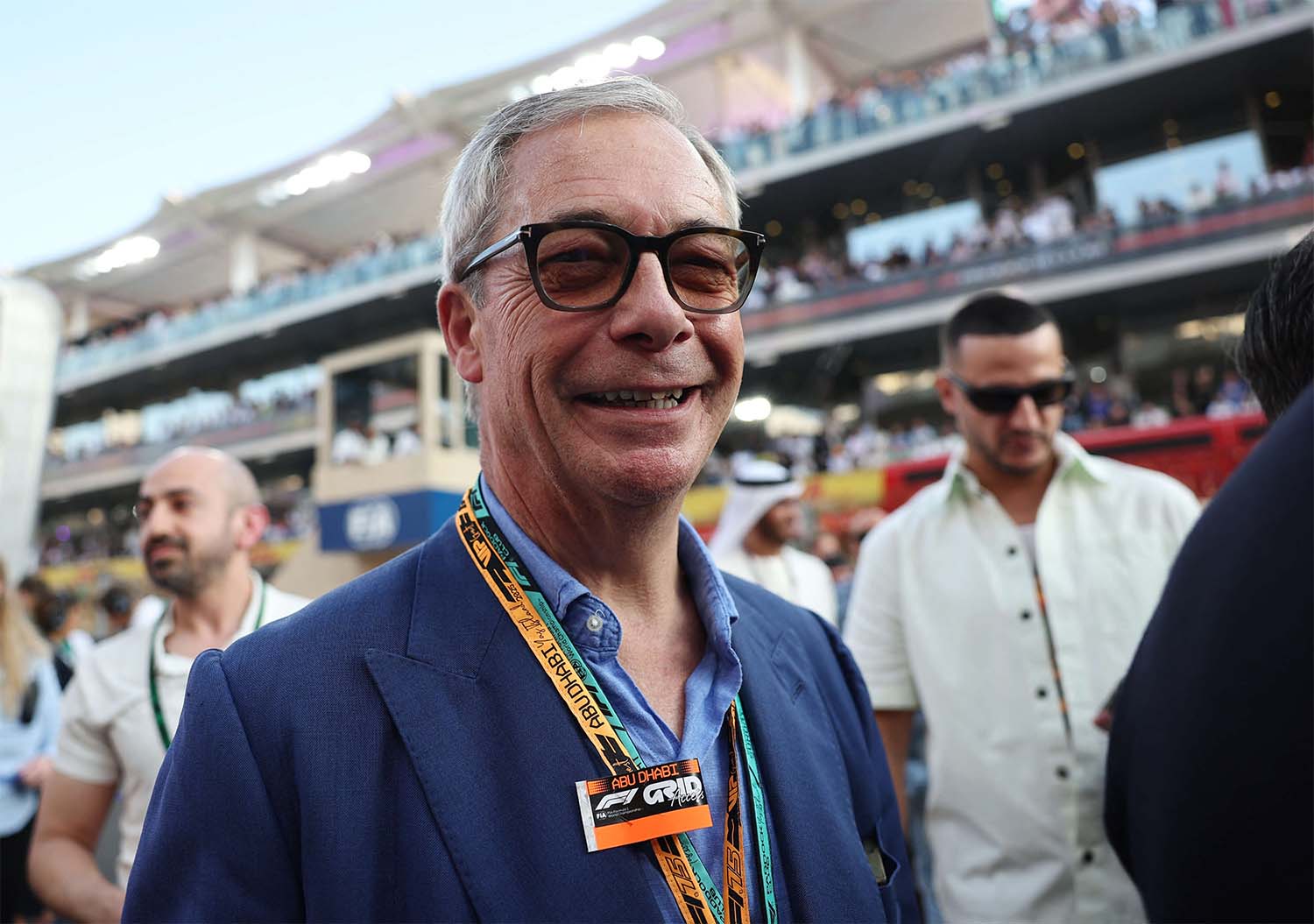
Farage's funded trip was valued at approximately £10,000 and included attendance at the Formula 1 Grand Prix
Reform UK leader, UAE officials held talk on mutual stance against Muslim Brotherhood
Sources familiar with the matter told the FT that Emirati leadership sought engagement with Farage and Reform wing to a shared opposition to the Muslim Brotherhood.
Friday 09/01/2026
Farage's funded trip was valued at approximately £10,000 and included attendance at the Formula 1 Grand Prix
LONDON/ABU DHABI – Reform UK leader Nigel Farage traveled to Abu Dhabi last month on a trip fully funded by the United Arab Emirates government, where he held meetings with senior Emirati officials to discuss a mutual stance against the Muslim Brotherhood, an Islamist organization banned as a terrorist group in the UAE and several other Gulf states.
The trip, valued at approximately £10,000 and including attendance at the Formula 1 Grand Prix, was declared in Farage's latest register of MPs' interests.
According to reports in the Financial Times, the meetings were facilitated by Reform UK treasurer Nick Candy, a businessman with frequent ties to the UAE.
Sources familiar with the matter told the FT that Emirati leadership sought engagement with Farage and Reform "owing to a shared opposition to the Muslim Brotherhood."
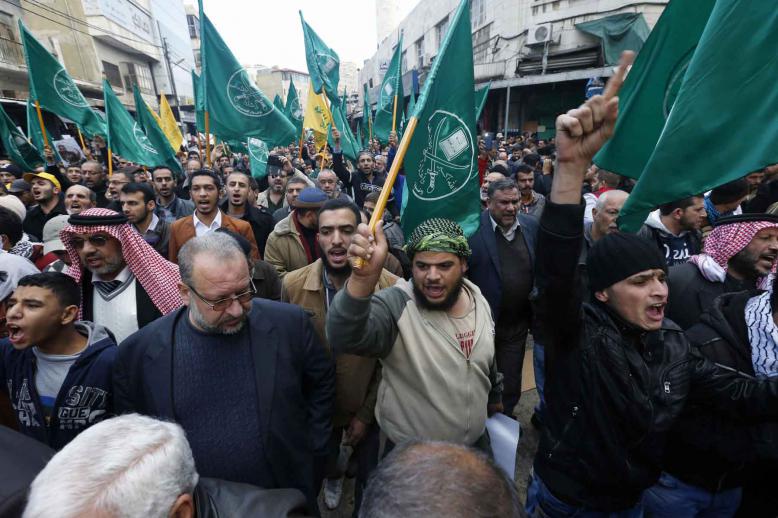
Farage has been vocal on the issue, pledging at Reform's September 2025 conference to proscribe the Muslim Brotherhood as a terrorist organization if his party comes to power. He criticized both Conservative and Labour governments for being "gutless" in addressing groups he links to extremism, aligning with the UAE's long-standing campaign to persuade Western nations to ban the group.
Broader Context of UAE-UK Tensions
The revelation coincides with escalating friction between Abu Dhabi and London over the UK's refusal to outlaw the Muslim Brotherhood. A 2015 UK government review found no direct links to terrorism in Britain, though it noted concerns about the group's ideology. The current Labour administration has kept the matter "under close review."
In a related development, the UAE has restricted state scholarships for citizens studying at British universities, excluding UK institutions from eligible lists amid fears of exposure to Islamist radicalization on campuses. Officials cited the Muslim Brotherhood's perceived influence as a key factor, with one expert describing it as the Emirates' primary "bogeyman."
The UAE has historically lobbied Britain on this issue, including alleged efforts in the 2010s tied to arms deals. More recently, revelations emerged of Emirati funding for campaigns smearing UK-based Muslim organizations with Brotherhood links.
Reform UK defended the engagement as reflecting aligned views on security and extremism. Farage has not publicly commented on the latest reports but previously emphasized the need for tougher measures against groups banned across the Middle East.