

Blatant violation of UN sanctions imposed on Kashlaf since 2018
Controversy erupts as Dbeibah hosts sanctioned militia chief in Tripoli
The meeting with Kashlaf highlights Dbeibah’s reliance on militia influence, particularly in western Libya, where these groups dominate strategic areas such as oil facilities and ports.
Friday 09/01/2026
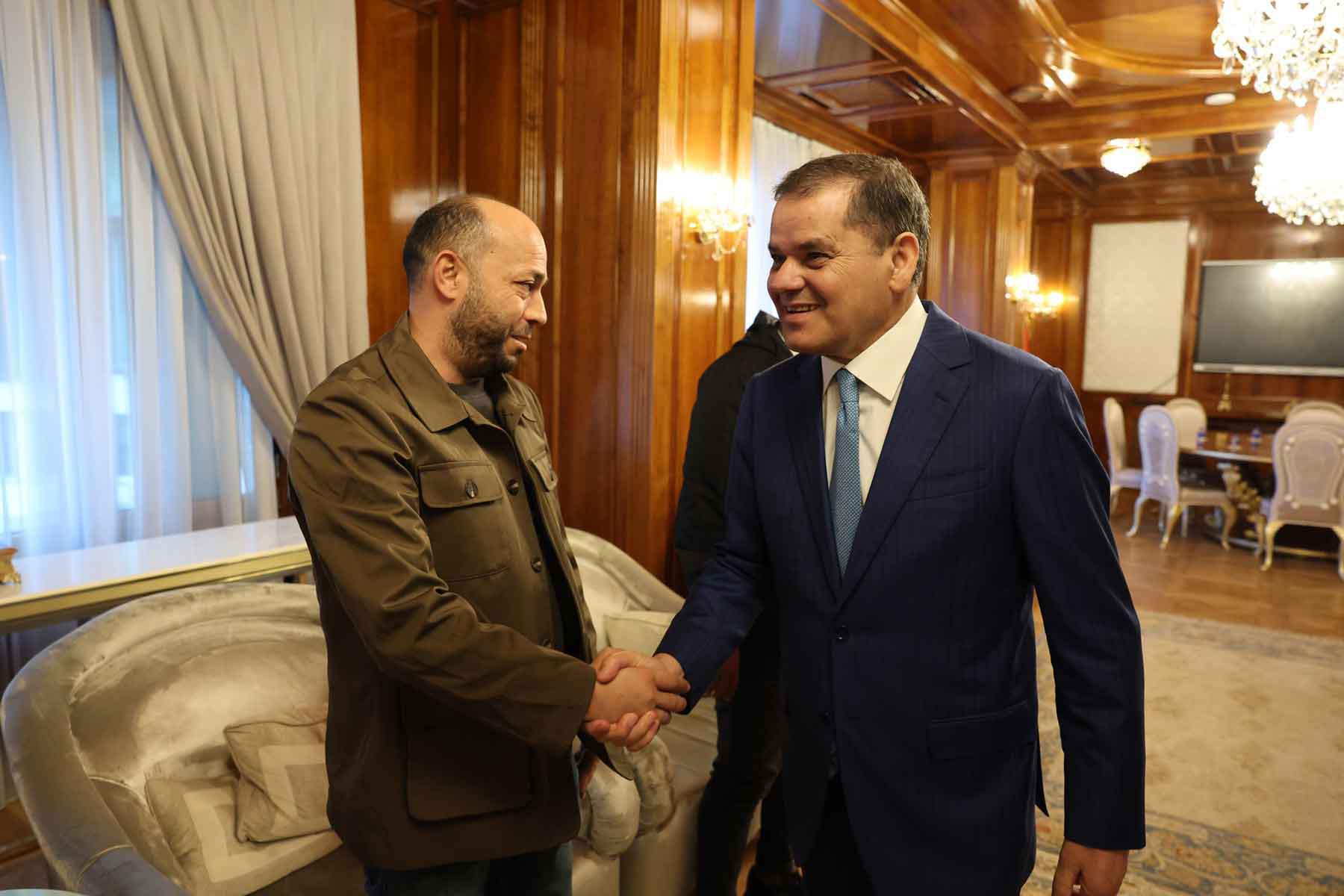
Blatant violation of UN sanctions imposed on Kashlaf since 2018
TRIPOLI –
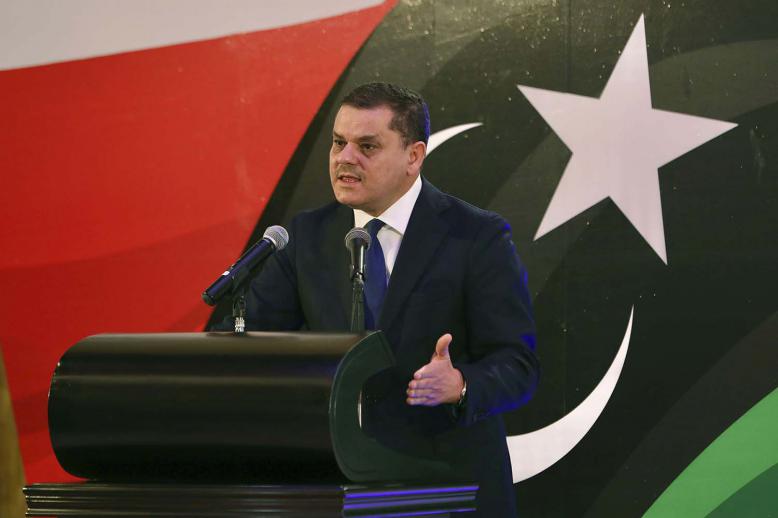
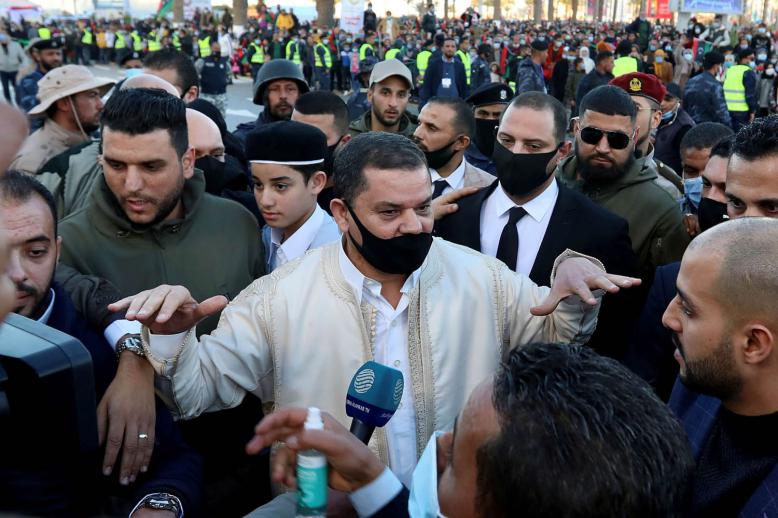
Criticism is mounting against Libya’s Prime Minister of Libya under THE Tripoli-based Government of National Unity Abdulhamid Dbeibah after he met one of the country’s most notorious armed militia leaders, raising questions about the government’s commitment to the rule of law and international obligations.
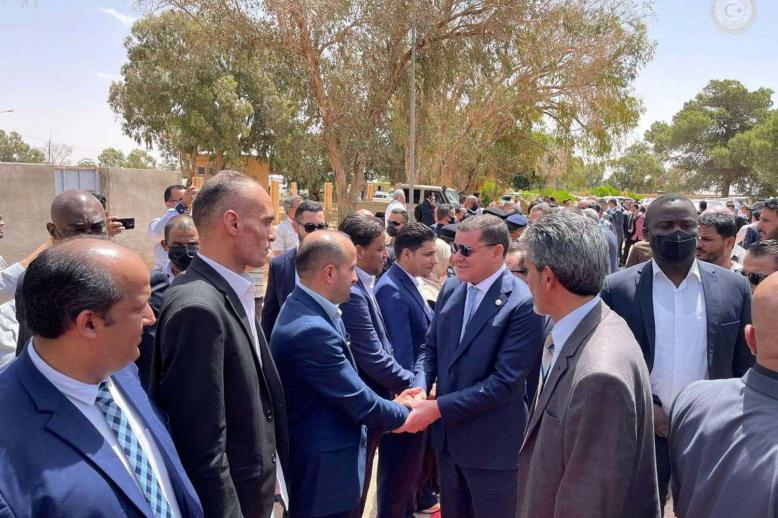
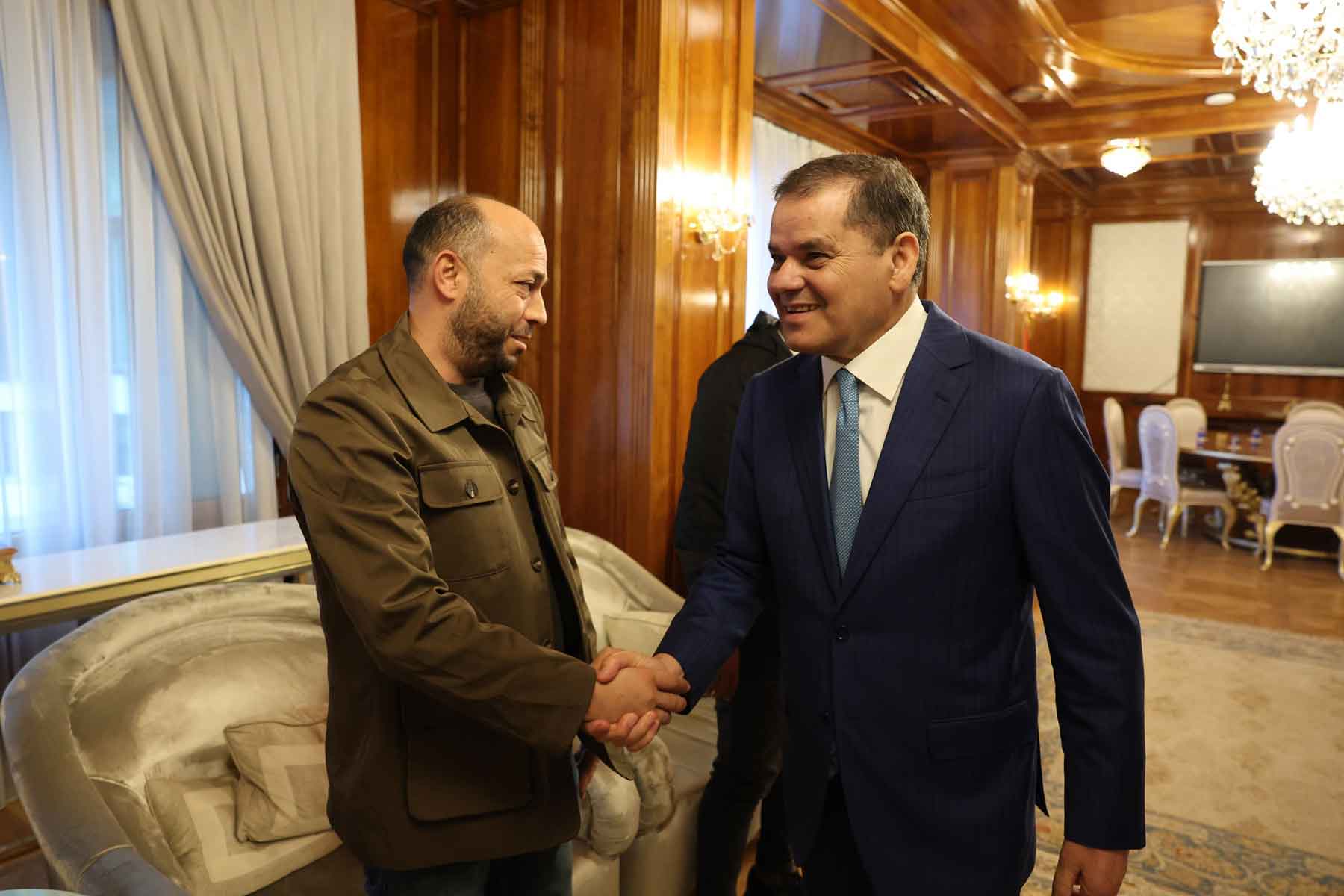
The meeting, held two days ago, involved a delegation from the city of Zawiya to discuss local issues and residents’ needs. Among the delegation was Mohamed Kashlaf, also known as Al-Qasab, the head of the Martyrs of Victory militia (also known as the Shuhada al Nasr brigade) in Zawiya. Kashlaf has been wanted by both international and domestic authorities for years and his presence in an official government meeting has provoked widespread outrage.
Libya’s National Council for Civil Liberties and Human Rights condemned the encounter, describing it as a blatant violation of UN sanctions imposed on Kashlaf since 2018. The organisation highlighted his involvement in controlling the Zawiya oil refinery, leading fuel and migrant smuggling operations and heading networks implicated in serious human trafficking crimes across western Libya. The institution warned that such meetings signal a clear link between the government and organised criminal activity, granting militias de facto impunity.
Rights activist Tariq Lamloum, speaking to North Africa News, stressed that Kashlaf’s inclusion in official discussions undermines Libya’s obligations to the international community.
“He is on international sanctions lists due to his role in human trafficking, exploitation of irregular migrants, and leadership of an armed group responsible for multiple violations,” Lamloum said.
“The government must verify these facts and fulfil its legal responsibilities both domestically and internationally.”
This latest controversy follows a pattern of the Dbeibah government engaging with wanted militia figures. Several months ago, Mohamed Bahrun, nicknamed Al-Far (The Mouse), attended a Ramadan iftar in Tripoli with senior military leaders and advisers close to Dbeibah, raising similar concerns about the government’s proximity to armed groups involved in serious crimes.
The unity government has repeatedly faced accusations from political actors and human rights organisations of turning a blind eye to militia activities, occasionally collaborating with them to maintain political leverage. While it publicly claims to conduct operations against smuggling networks and organised crime, critics say interventions rarely extend to militia leaders implicated in international and domestic crimes.
The meeting with Kashlaf also highlights Dbeibah’s reliance on militia influence, particularly in western Libya, where these groups dominate strategic areas such as oil facilities and ports, and control fuel and migrant trafficking networks. Such realities underscore the fragility of official institutions and their dependence on armed groups operating outside legal accountability.
Observers note that the government in Tripoli leverages militia control over oil infrastructure to maintain its hold on power, a strategy that perpetuates conflict rather than advancing state-building efforts. Libya continues to be plagued by militia rivalries across strategic regions, from Tripoli and Zawiya to the south and west, creating chaos that obstructs political, economic, and social development, and exacerbates the hardships faced by ordinary citizens.
In this context, relations between the government and militias remain highly sensitive. Any attempt to enforce legal accountability against internationally wanted figures is likely to encounter fierce resistance from armed groups, posing a significant challenge to stabilising the security and political landscape in Libya.
The episode also raises serious doubts about the seriousness of the outgoing government in adhering to international law and national legitimacy, at a time when both domestic and international pressures are mounting to hold those responsible for organised crime and human trafficking to account.