

Prospects for a lasting peace remain uncertain
Aleppo on edge as Kurdish groups reject ceasefire, face new attacks
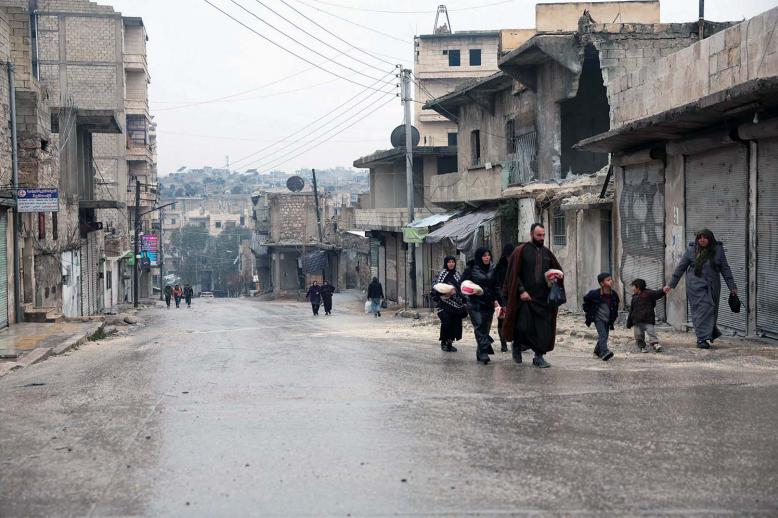
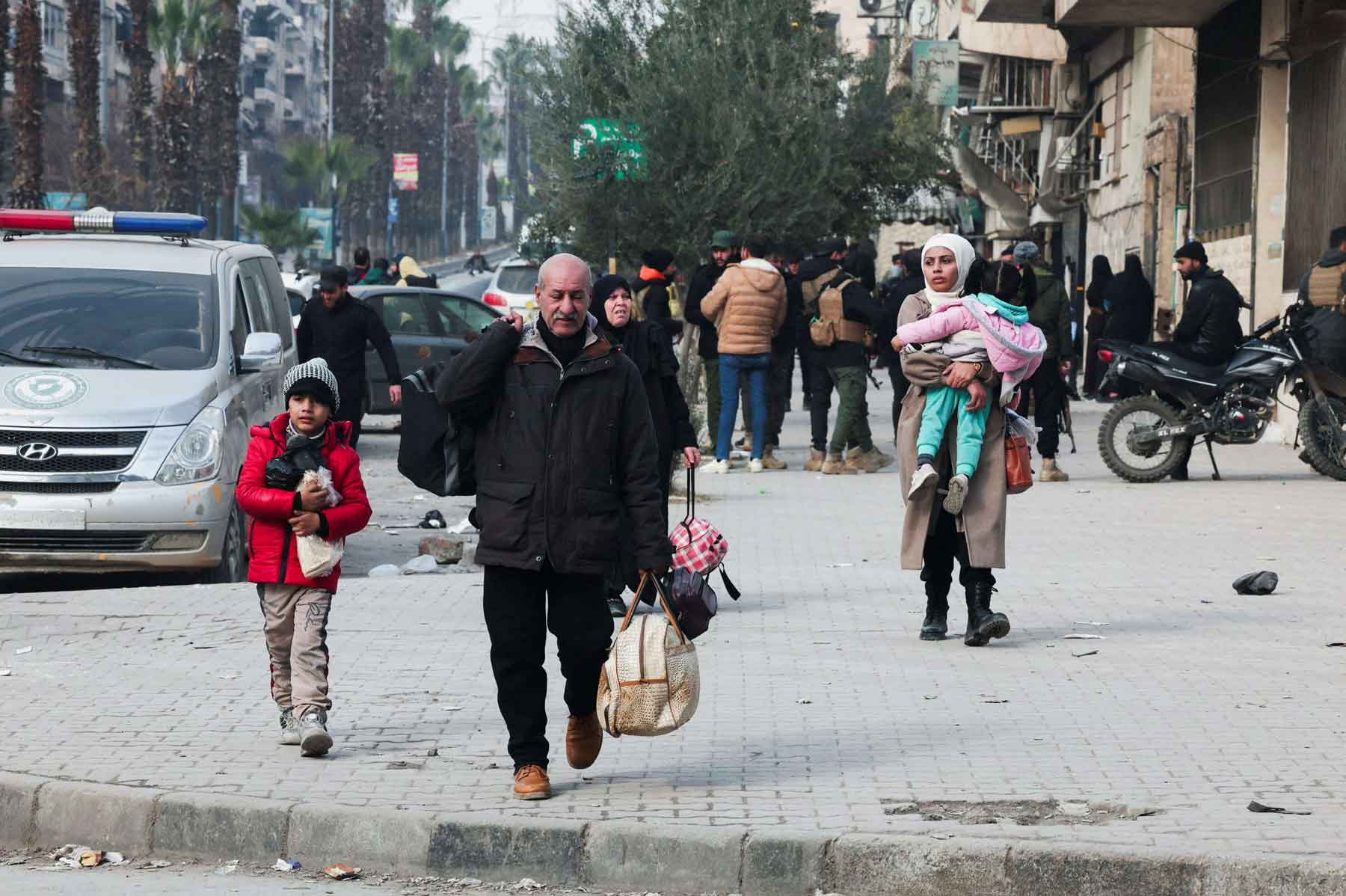
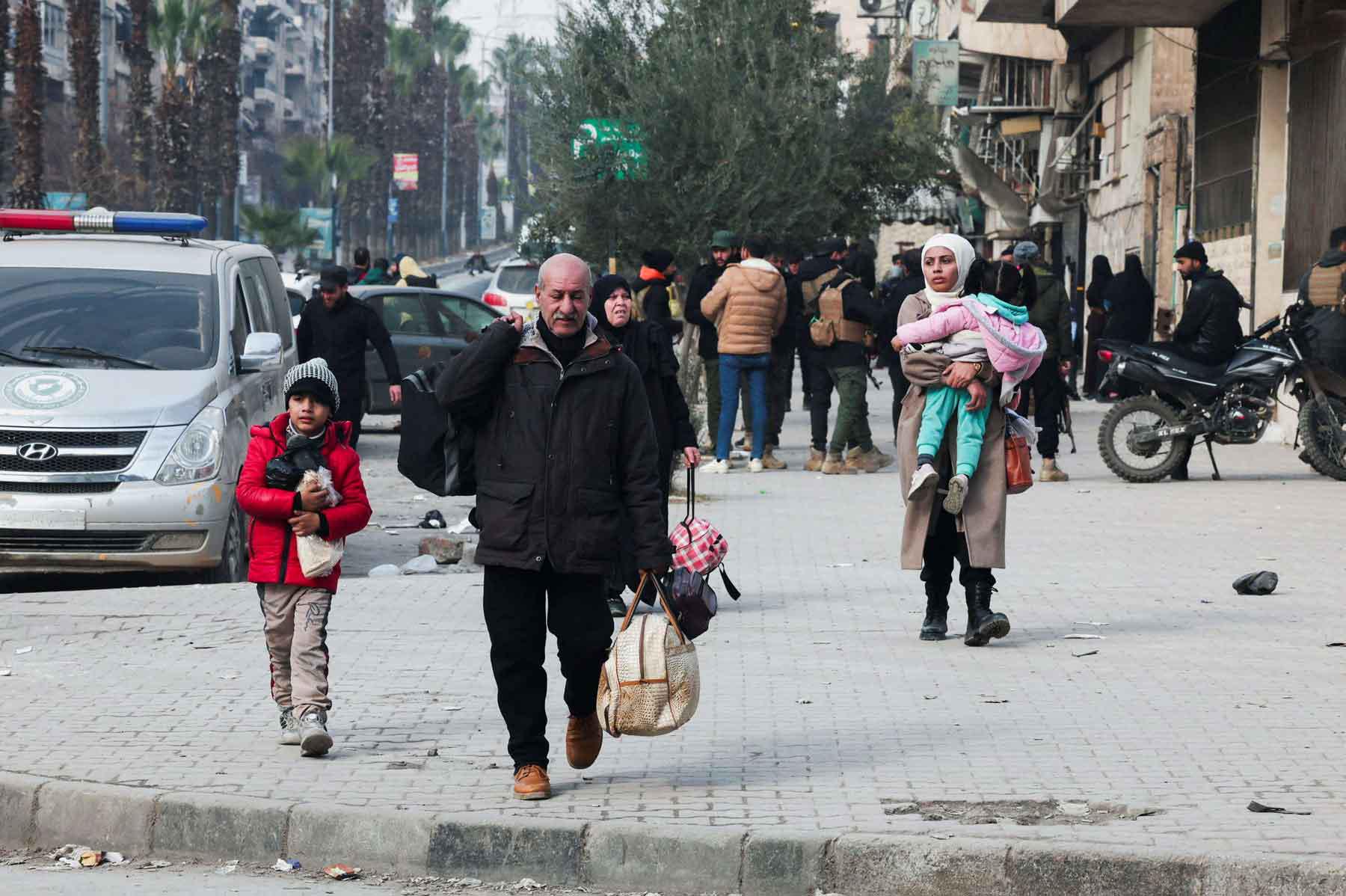
For residents of Aleppo, the clashes have compounded the humanitarian toll, leaving thousands displaced and vulnerable.
Friday 09/01/2026
Prospects for a lasting peace remain uncertain
ALEPPO –
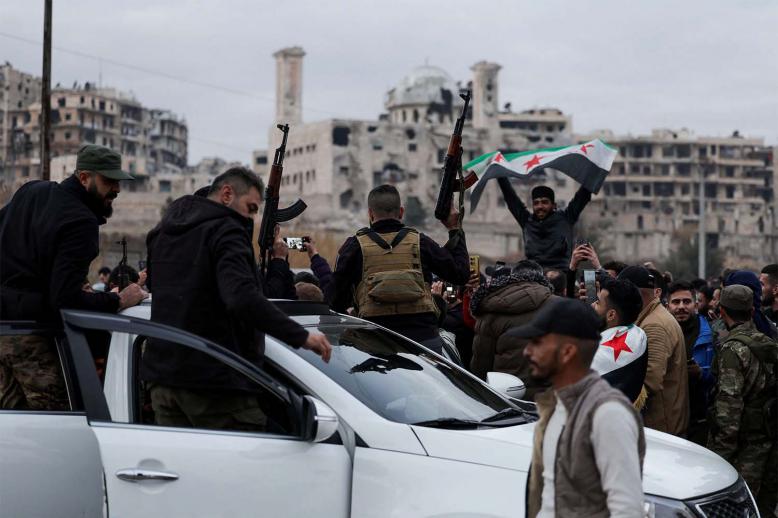
Tensions in Aleppo escalated on Friday as Kurdish groups rejected a ceasefire declared by the Syrian government, vowing to defend their neighbourhoods from renewed military attacks. The clashes have highlighted one of Syria’s key faultlines as the country struggles to rebuild after more than a decade of devastating war.
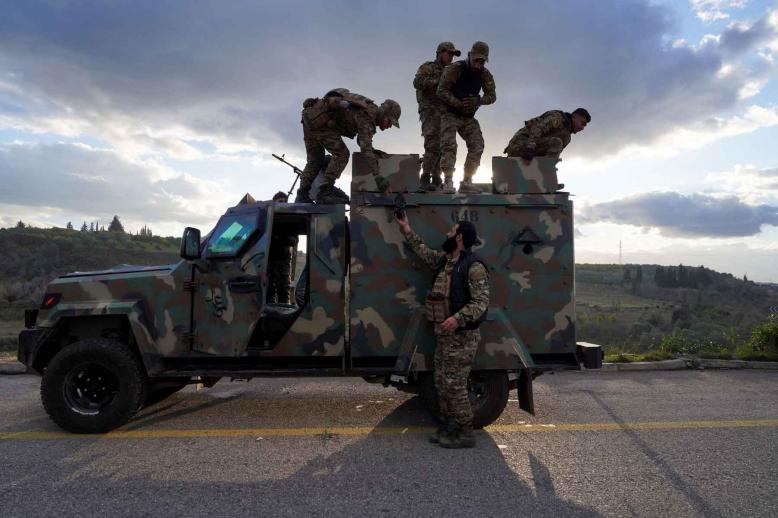
State media reported that the Syrian army warned it would target military sites used by Kurdish fighters in the Sheikh Maqsud district, urging residents to evacuate. Maps showing the targeted areas accompanied official statements published by the state news agency SANA. Authorities announced a brief humanitarian corridor from 4:00 pm to 6:00 pm (1300–1500 GMT) for civilians to leave, and called on Kurdish fighters to lay down their arms.
However, Kurdish security forces in Aleppo said government-aligned factions had attempted incursions into Sheikh Maqsud “with direct support from tanks and heavy weapons,” which were repelled by local defenders. The Kurdish authorities added that their neighbourhood continued to endure “ongoing artillery shelling for the fourth consecutive day.”
The ceasefire, announced overnight by the Syrian Defence Ministry, required Kurdish forces to withdraw to Kurdish-held territories in the northeast, effectively ending their control over pockets of Aleppo they have held since the early days of the war. The Kurdish councils of Sheikh Maqsud and Ashrafiyah described the withdrawal demand as “a call to surrender” and insisted they would defend their areas, accusing government forces of intense shelling intended to force displacement.
At least nine civilians have been killed in the clashes, with more than 140,000 forced to flee their homes. Casualty figures among fighters on either side have not been released. A reporter in Aleppo observed more than a dozen empty buses entering Sheikh Maqsud on Friday morning, reportedly intended to transport Kurdish fighters to the northeast. Syrian state television later reported the buses withdrew without transporting anyone.
The Aleppo fighting has reignited concerns about the broader struggle between the Kurdish-led Syrian Democratic Forces (SDF) and President Ahmed al-Sharaa’s government, which is dominated by Sunni Islamists seeking to reassert centralised control.
Washington has supported the SDF militarily for over a decade and has been involved in attempts to integrate Kurdish forces under Damascus authority. A framework agreement signed in March 2025, which called for completion by the end of last year, has achieved little, reflecting the deep mistrust between the parties.
US envoy Tom Barrack described the ceasefire as “temporary” and expressed hope that ongoing negotiations could extend the calm and promote dialogue. Meanwhile, neighbouring Turkey, which views the SDF as linked to the outlawed Kurdistan Workers’ Party (PKK), has warned that military action could follow if Kurdish fighters do not honour the integration deal. Turkish Foreign Minister Hakan Fidan said on Wednesday that he hoped the situation in Aleppo would stabilise “through the withdrawal of SDF elements” and discussed the matter with his Syrian counterpart Asaad al-Shibani on Friday.
The conflict in Aleppo also underscores broader fears among Syria’s minorities. Although Sharaa has repeatedly vowed to protect groups such as Alawites and Druze, recent bouts of violence in which government-aligned forces have targeted minority areas have heightened concern over the safety of vulnerable populations.
Syrian Information Minister Hamza al-Mustafa defended the army’s actions as measures to “restore order and protect public stability,” referring to Kurdish forces he accused of prolonging a deadlock outside the state’s framework. “The Kurds are our people and our partners in the future,” he added on X.
Kurdish-led authorities, however, insist on maintaining regional autonomy, criticising Damascus for attempting to centralise power. For residents of Aleppo, the clashes have compounded the humanitarian toll, leaving thousands displaced and vulnerable, and exposing the fragility of ceasefire agreements in a city long scarred by war.
The events in Aleppo reflect a persistent challenge for Syria: balancing the authority of the central government with the autonomy of regional forces, while attempting to protect civilians amid ongoing military campaigns. As the city braces for further confrontations, the prospects for a lasting peace remain uncertain.