

In detention since April 17, 2023
Tunisia’s appeals court upholds 22-year sentence for Ennahda leader
The Instalingo case centres on a digital media and communications company operating in Kalaa Kebira, Sousse governorate.
Wednesday 14/01/2026
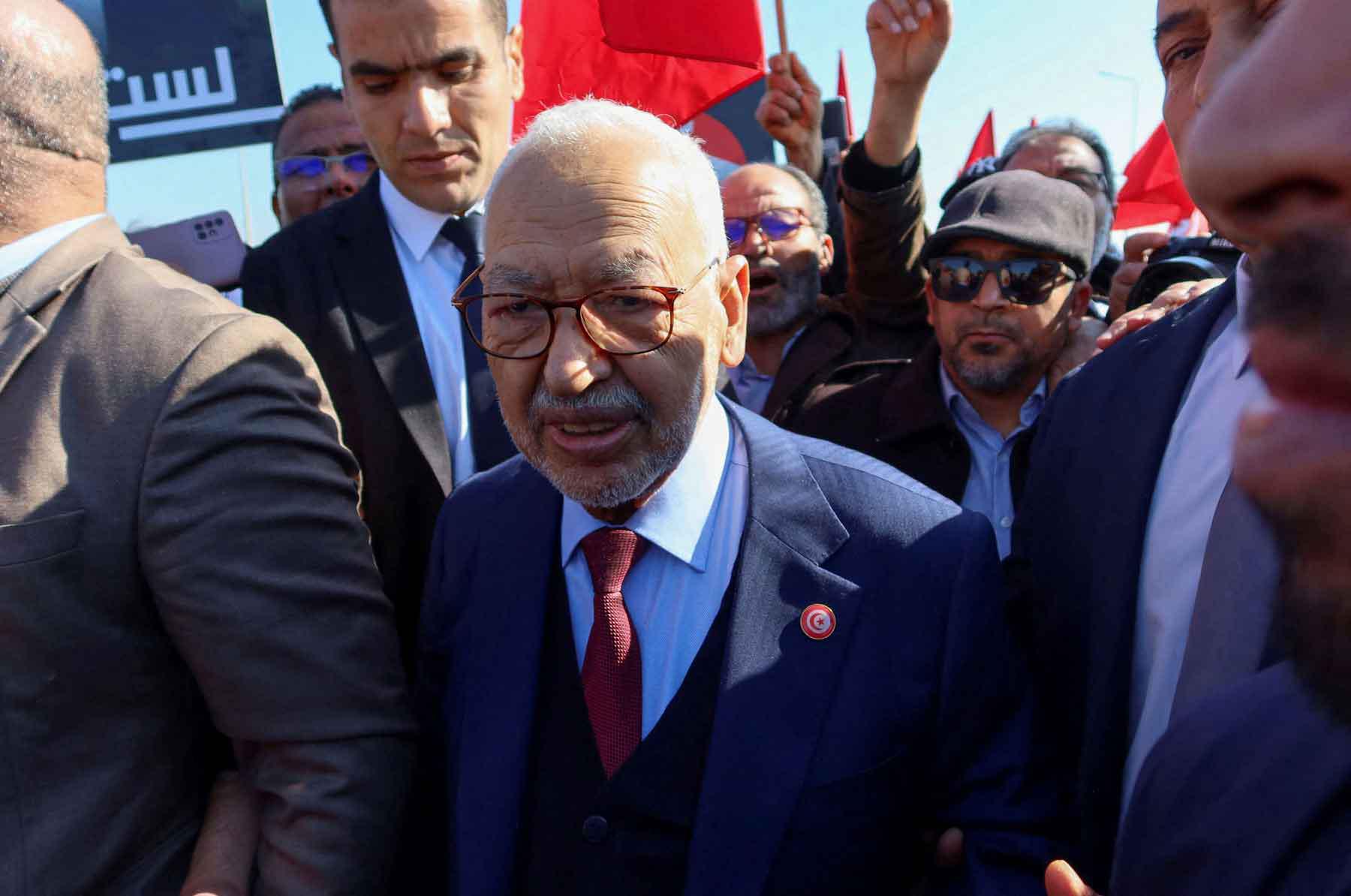
In detention since April 17, 2023
TUNIS –
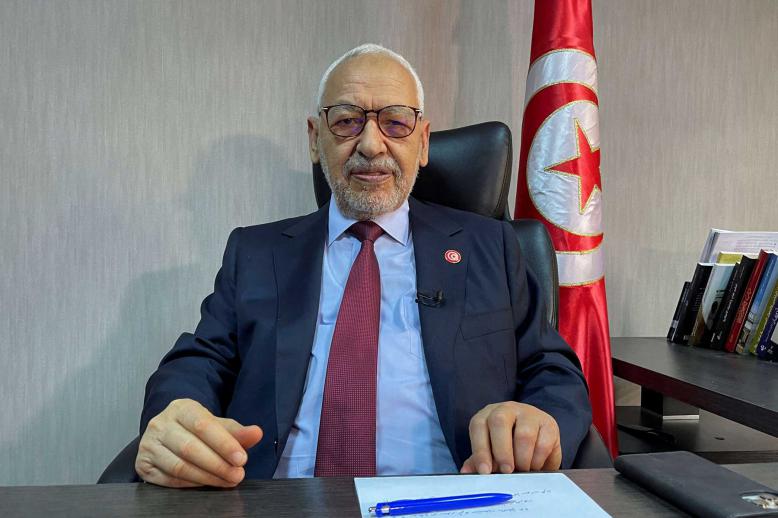
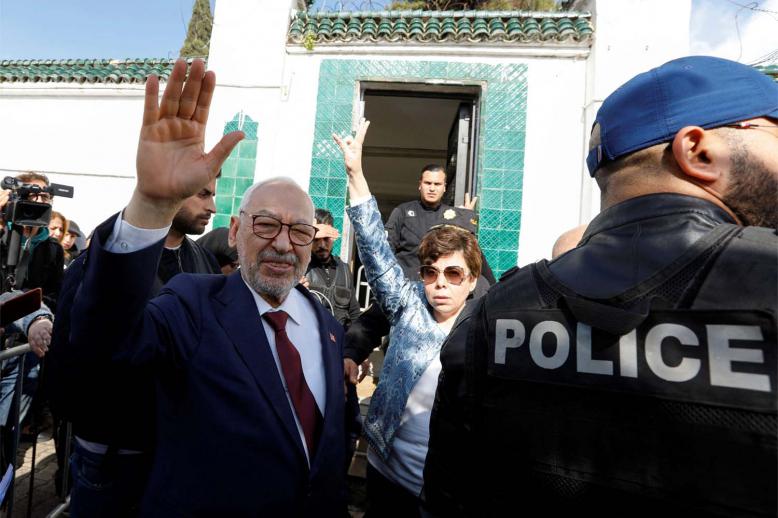
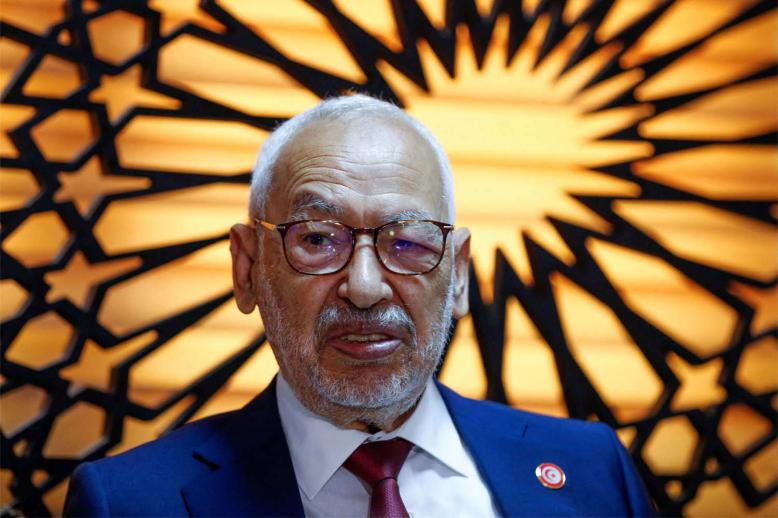
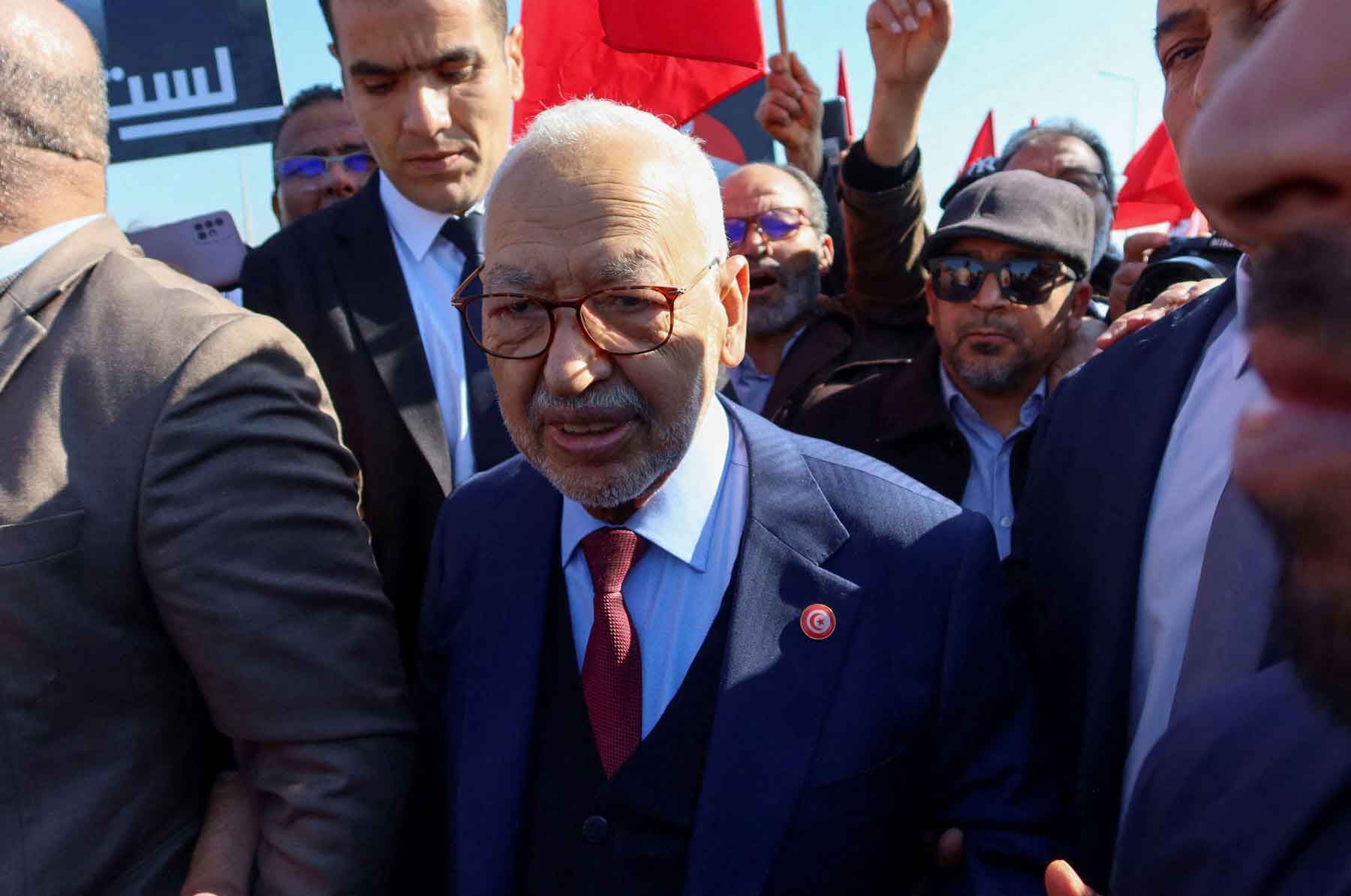
A Tunisian appeals court on Wednesday upheld a 22-year prison sentence against Rached Ghannouchi, leader of the Ennahda Movement and former speaker of parliament, in the high-profile Instalingo trial.
The ruling also confirmed convictions against 40 other figures, including politicians, journalists, bloggers, and businesspeople, while reducing the sentence of one female defendant and ordering her release, judicial sources cited by state media reported.
In February, a lower court had handed down sentences ranging from five to 54 years to 41 defendants, including Ghannouchi, 84, who has been in detention since April 17, 2023 following a police raid on his residence. The former parliament speaker has since received multiple prison terms in separate cases.
A judicial source speaking to Tunisia’s official news agency confirmed that the appeals court upheld all convictions except that of Shatha Belhaj Mubarak. Her five-year sentence was cut to two years, with execution suspended. Belhaj Mubarak was immediately released, with the shorter sentence to be enforced only if she commits a subsequent offence during her probation period.
Under Tunisian law, appeals court decisions are not necessarily final. Defendants may take their cases to the Court of Cassation, although such appeals do not suspend the enforcement of sentences.
All those convicted have denied the charges. These include conspiring against state security, attempting to change the nature of the state, inciting Tunisians to armed conflict, provoking violence and looting, and committing hostile acts against the president.
In Tunisia, a charge of committing a “hostile act against the president” refers to actions perceived as a serious assault on the head of state’s authority, which may encompass threats, physical attacks, or conduct undermining state institutions.
The Instalingo case centres on a digital media and communications company operating in Kalaa Kebira, Sousse governorate. Authorities raided its offices on 10 September 2021, citing alleged offences related to state security, money laundering, and online defamation.
Tunisian officials insist the proceedings are purely criminal in nature, free from political influence. Critics, however, maintain that the case forms part of a wider effort to suppress dissent against President Kais Saied’s extraordinary measures.
On July 25, 2021, Saied took sweeping actions, dissolving parliament, ruling by decree, introducing a new constitution via referendum, and calling early legislative elections. Opponents have described these moves as an unconstitutional power grab, warning of a slide toward one-man rule. Supporters argue the measures corrected the course of the 2011 revolution that toppled long-time ruler Zine El Abidine Ben Ali.
President Saied has consistently defended his actions, asserting that they are constitutional, necessary to protect the state from imminent threats, and have not curtailed citizens’ rights or freedoms.