

Coming weeks may prove decisive
Leader of Tunisia’s UGTT rescinds resignation amid union turmoil
Political and union circles have interpreted the resignation saga as a symptom of growing confusion and disarray within the UGTT.
Thursday 15/01/2026
Coming weeks may prove decisive
TUNIS –
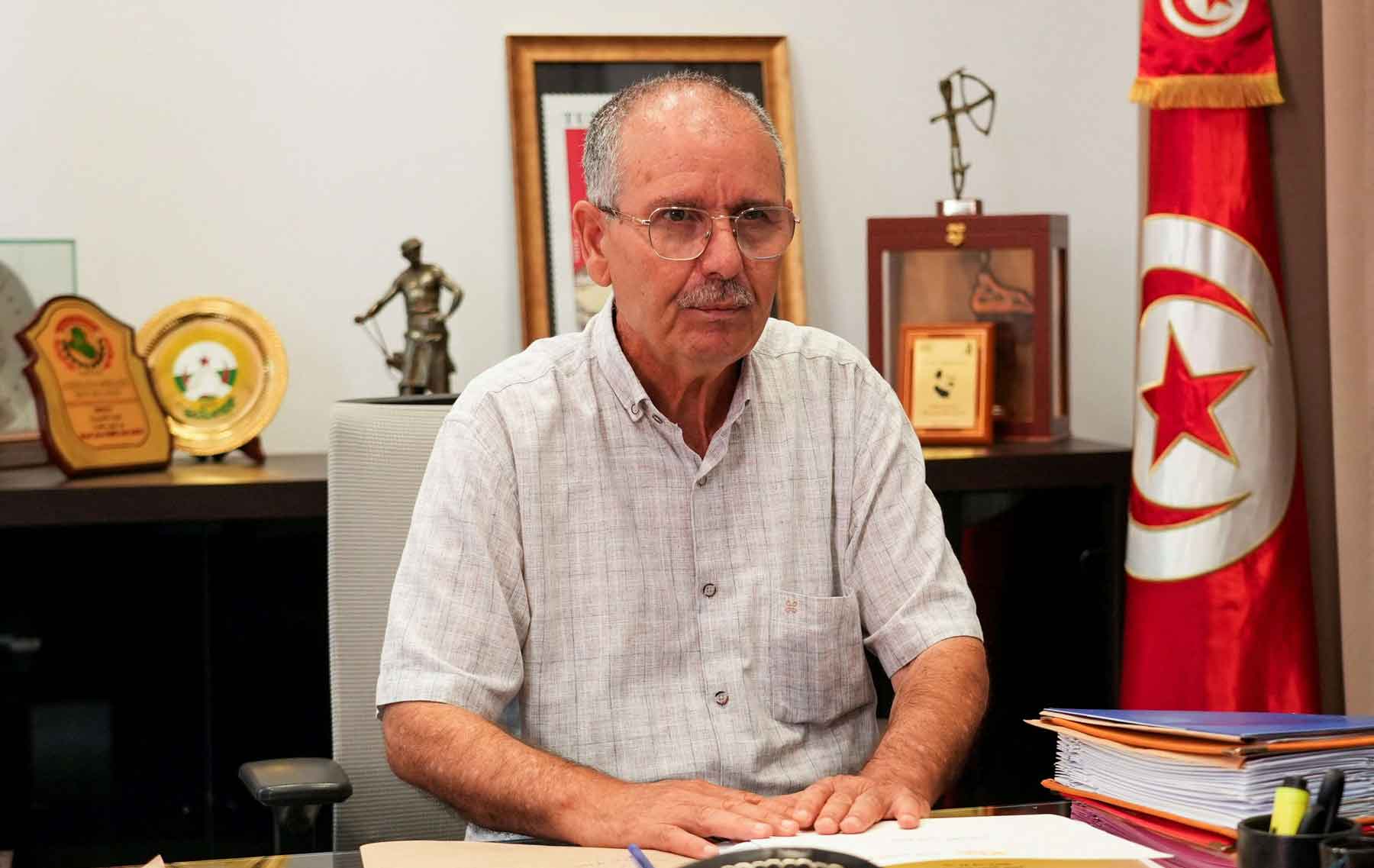
Tunisia’s most powerful trade union, the Tunisian General Labour Union (UGTT), is facing one of the most serious internal crises in its history, after Secretary-General Noureddine Taboubi withdrew his resignation only days after submitting it, under pressure from senior union officials anxious to prevent further fragmentation of the organisation.
Taboubi’s abrupt reversal followed a visit on Wednesday by more than 40 members of the UGTT’s national administrative committee to his home in a suburb of the capital. The delegation formally urged him to rescind his resignation and resume his duties, amid mounting concern that his departure would deepen internal divisions at a moment of acute social and economic strain in the country.
The episode has fuelled speculation that Taboubi’s initial decision to step down may have been a tactical move linked to a looming nationwide general strike, with observers suggesting the resignation, and its swift withdrawal, was designed to buy time as legal deadlines approached.
Strike plans clouded by leadership turmoil
The future of the planned general strike, intended to protest restrictions on union rights and press for wage negotiations, now appears uncertain. Analysts say the union’s deepening leadership crisis has raised serious questions about its ability to mobilise effectively at a national level.
Had Taboubi proceeded with his resignation, union watchers argue, he would have emerged politically weakened, with potentially destabilising consequences for the UGTT’s structure and cohesion. Instead, he confirmed that he would remain in office and pledged to carry out all union obligations, including implementing decisions taken by the organisation’s governing bodies.
Union sources said the intervention by senior officials was aimed at preserving unity and preventing a further deterioration of the internal situation at a particularly sensitive juncture for the organisation.
A union divided
Political and union circles have interpreted the resignation saga as a symptom of growing confusion and disarray within the UGTT. Internal divisions have sharpened in recent months, pitting reformist and conservative factions against one another, while a so-called “third current” has emerged, pushing to protect the union’s internal structure and avert a slide towards disintegration.
Mondher Thabet, a political analyst, said Taboubi’s decision to withdraw his resignation reflected a collective calculation within the union.
“Everyone understood that resignation would have marked the end of Taboubi’s leadership and exposed the UGTT to the risk of collapse,” Thabet said. “It would have amounted to political suicide in relation to the union’s structure and an unsuccessful attempt to confront the authorities.”
He added that the resignation may initially have been an effort to avoid direct responsibility for the general strike. “The retreat suggests a new assessment: Taboubi would be weaker if he stepped down, while the strike does not appear to have been abandoned and may simply have been postponed until January 29,” he said.
Long-standing disputes resurface
The crisis has reopened wounds dating back to an extraordinary congress in 2022 that extended the mandates of several senior leaders. Internal opposition groups argue that the move violated the union’s statutes and undermined the principle of leadership rotation, accusations that the UGTT’s general secretariat has repeatedly rejected as exaggerated or unfounded.
Critics also question whether the union’s current instability leaves it in any position to pursue a nationwide strike, given the lack of internal consensus and organisational coherence.
Former union leaders and dissident activists have stepped up efforts to challenge the legitimacy of the current leadership, calling for a new extraordinary congress to reshape the centre of decision-making. Veteran unionists, meanwhile, say they are intervening out of loyalty to the organisation in an attempt to restore unity and prevent irreversible damage.
“The UGTT is facing a difficult and unprecedented situation,” warned Salah Eddine Salmi, the union’s assistant secretary-general, speaking at a regional conference in Sfax. “If this continues, it could lead to fragmentation, weakening, or even the extinction of the organisation.”
Erosion of influence and politicisation fears
Observers say the UGTT’s internal crisis has been compounded by a perceived erosion of its social role and growing politicisation. Political analyst Nabil Rabhi said the union had increasingly acted as a political actor rather than a neutral social partner, with some executive members using it to pursue political agendas at the expense of its core social mission.
Tensions peaked last May when members of the UGTT’s Sfax regional administrative committee called for Taboubi to be referred to the union’s disciplinary body and suspended, accusing him of breaching the union charter, undermining unity and dividing unionists in the economically vital eastern region.
They also accused him of mismanaging the national council held in September 2024, alleging he blocked a vote on internal regulations linked to an extraordinary congress in a deliberate circumvention of the union’s rules.
A pivotal moment
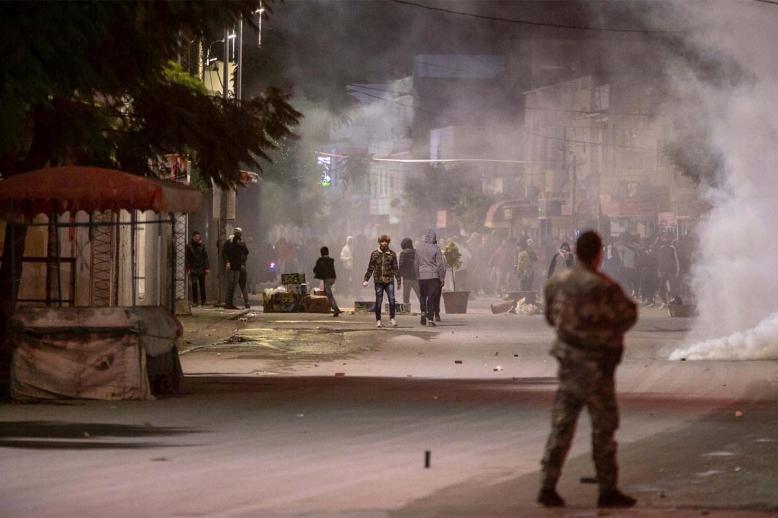
As Tunisia grapples with mounting economic hardship and social pressure, the UGTT’s internal struggle threatens to weaken one of the country’s most influential political and social actors at a critical moment.
With leadership uncertainty unresolved and the prospect of a general strike hanging in the balance, the coming weeks may prove decisive in determining whether the union can stabilise and renew itself, or slide into long-term fragmentation.