مقالات ذات صلة
Related Articles
Wednesday 20/05/2026


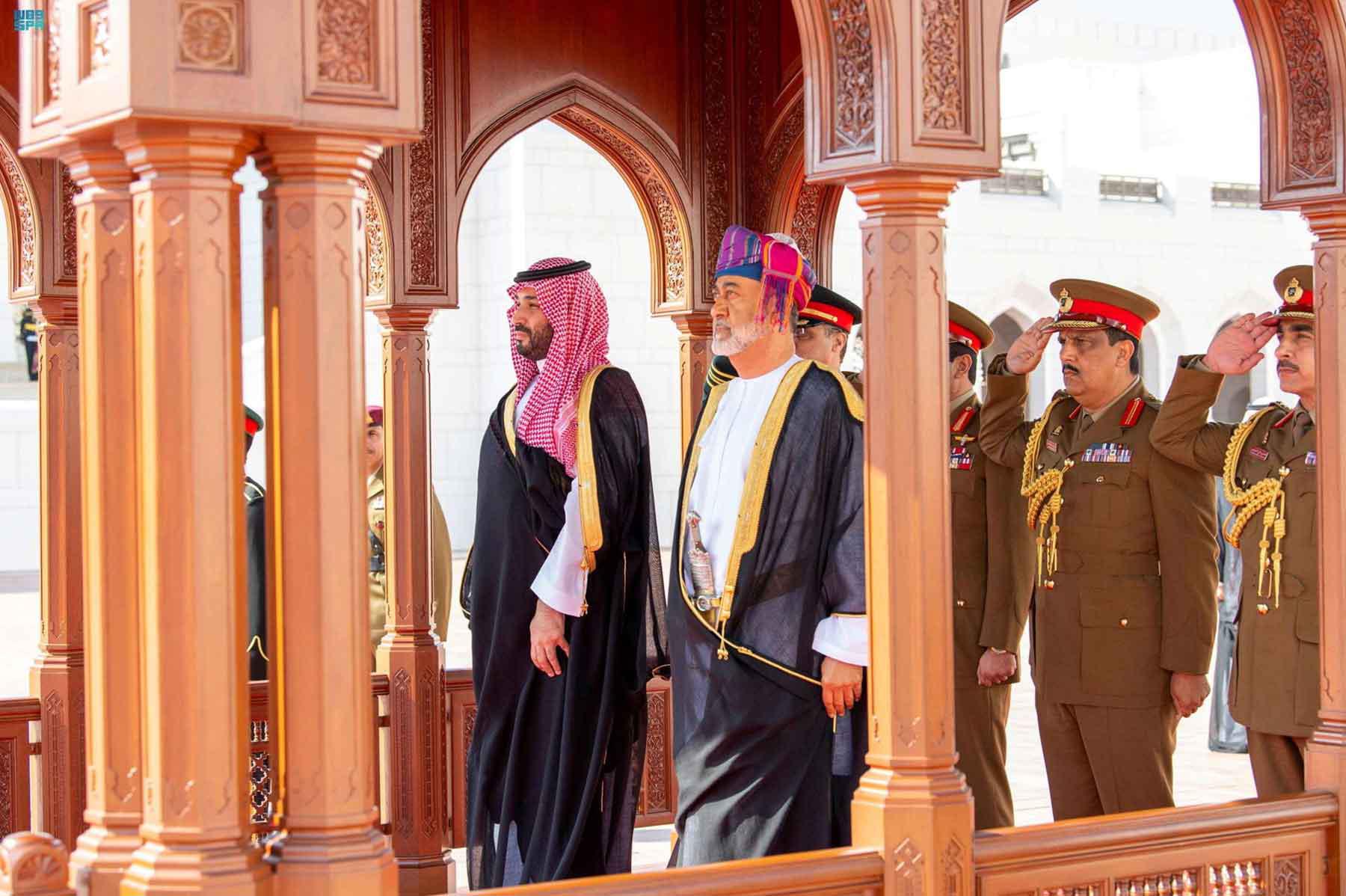
RIYADH / ISTANBUL / BAGHDAD –
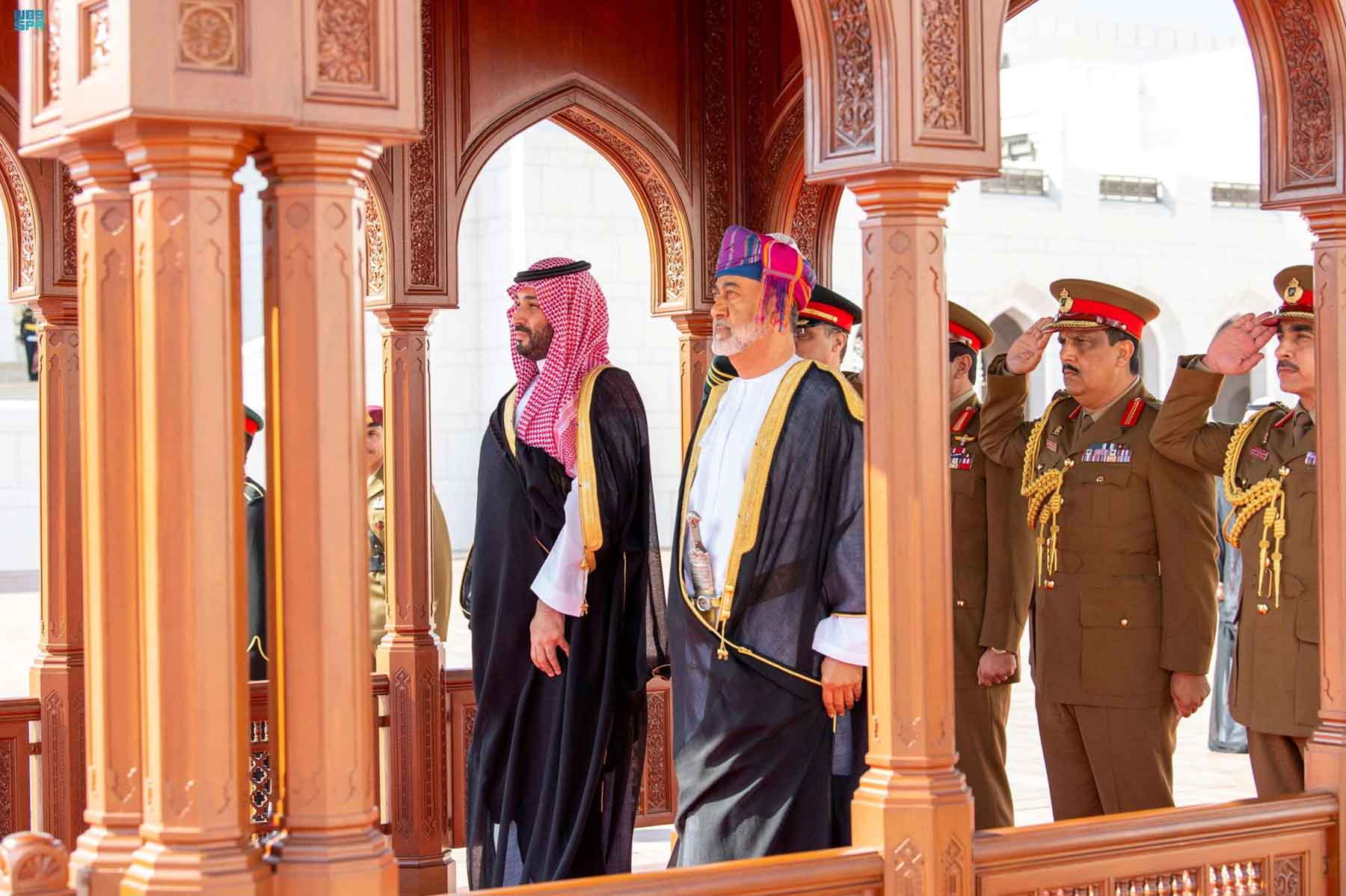
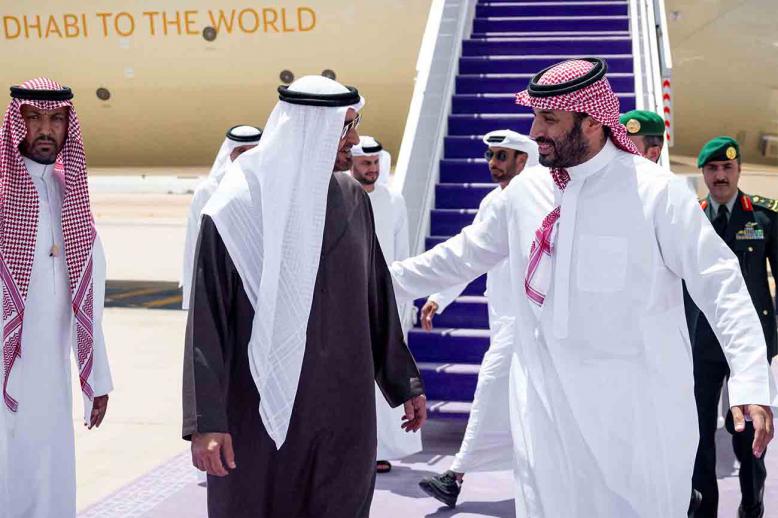
Saudi Arabia, Qatar and Oman have played a key diplomatic role in discouraging the United States from launching a military strike against Iran, amid Tehran’s deadly crackdown on protests and Washington’s repeated threats to intervene.
A senior Saudi official, speaking on condition of anonymity, said the Gulf trio “led a long, frantic, last-minute diplomatic effort to convince President Trump to give Iran a chance to demonstrate good intentions,” adding that communications remain ongoing “to consolidate the trust and positive spirit” generated by the talks.
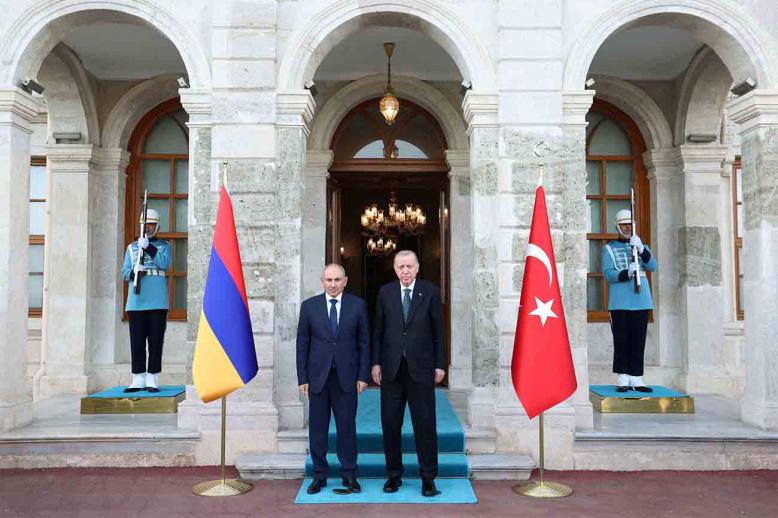
Turkey has also been vocal in opposing any military intervention.
Foreign Minister Hakan Fidan said Ankara’s priority is to prevent destabilisation in Iran.
Speaking from Istanbul, Fidan stressed that “Iran needs to solve its authentic internal problems on its own” and underscored Turkey’s ongoing diplomatic initiatives aimed at resolving tensions through dialogue.
Neighbours walk a delicate line
The heightened tensions come as Iran has warned neighbouring countries hosting US troops that American bases would be legitimate targets if Washington intervenes militarily. In response, the US has urged its citizens to leave Iran immediately, advising them to travel overland to Turkey or Armenia.
Saudi Arabia, which restored diplomatic ties with Iran in a China-brokered deal in 2023 after a seven-year hiatus, has explicitly told Tehran it will not allow its airspace or territory to be used in any strike against Iran.
Riyadh’s caution reflects concerns that a collapse of the Iranian regime could trigger widespread chaos, with potentially severe repercussions for the kingdom.
“The complete collapse of the regime could unleash chaos, causing more harm than good,” said Saudi analyst Hesham Alghannam.
Qatar, which hosts the US’s largest Middle Eastern air base at al-Udeid, has repeatedly warned that any escalation between Washington and Tehran would have “catastrophic results” for the region. Oman, long a quiet diplomatic intermediary, has joined efforts to temper US hawkishness, leveraging its historical channels with Tehran.
Meanwhile, the UAE, traditionally a critic of Iran, has focused on stabilisation and detente, keen to protect its economy and maintain security amid a volatile Gulf.
Israel watches from the sidelines
Israel, Iran’s long-time adversary, has voiced support for the protesters and expressed hope for a potential regime change, though officials have emphasised they do not intend to intervene directly.
Prime Minister Benjamin Netanyahu hailed the courage of Iranian citizens and suggested that a future with a free Iran could open opportunities for regional cooperation.
Israeli military sources, however, remain alert, preparing defensive measures in case of any escalation.
Iraq’s cautious diplomacy
Iraq, sharing a long border with Iran and hosting US forces, has remained cautious. Analysts note Baghdad is unwilling to intervene militarily, recognising that it has “too much at stake to lose” and insufficient strength to influence outcomes on its own.
Political analyst Hamzeh Hadad said any US-Iran conflict would inevitably impact Iraq, given its proximity and the presence of American and coalition forces, while pro-Iran militias in the country remain limited in their capacity to assist Tehran directly.
“Iraq’s only strength is diplomacy. It can speak with both the Iranians and Americans,” Hadad added, highlighting Baghdad’s role as a potential intermediary.
A region on edge
As Iran faces unprecedented domestic unrest, with thousands reportedly killed in the crackdown, its neighbours are pursuing a delicate balancing act: deterring US military action, avoiding regional escalation, and safeguarding their own national interests.
Analysts warn that even a minor misstep could ignite a wider crisis, with potentially devastating consequences for the Gulf, the Levant and the broader Middle East.