

Strategic foothold
Turkey deepens economic foothold in Syria with Tartous shipyard deal
The Tartous shipyard project is widely seen not only as an industrial investment, but also as a strategic foothold for Turkey on the eastern Mediterranean coast.
Friday 16/01/2026
Strategic foothold
DAMASCUS –
Syria signed a long-term strategic agreement with a Turkish company to build and operate a fully-integrated shipyard at the port of Tartous, in a move that underscores Ankara’s growing economic and political influence in the country following the change of power in Damascus.
The agreement, signed on Thursday with Turkey’s Kuzey Star Shipyard, provides for the creation of around 5,200 direct and indirect jobs for Syrians and is being presented by the new authorities as a cornerstone of efforts to revive the country’s maritime sector and attract foreign investment amid an anticipated reconstruction drive.
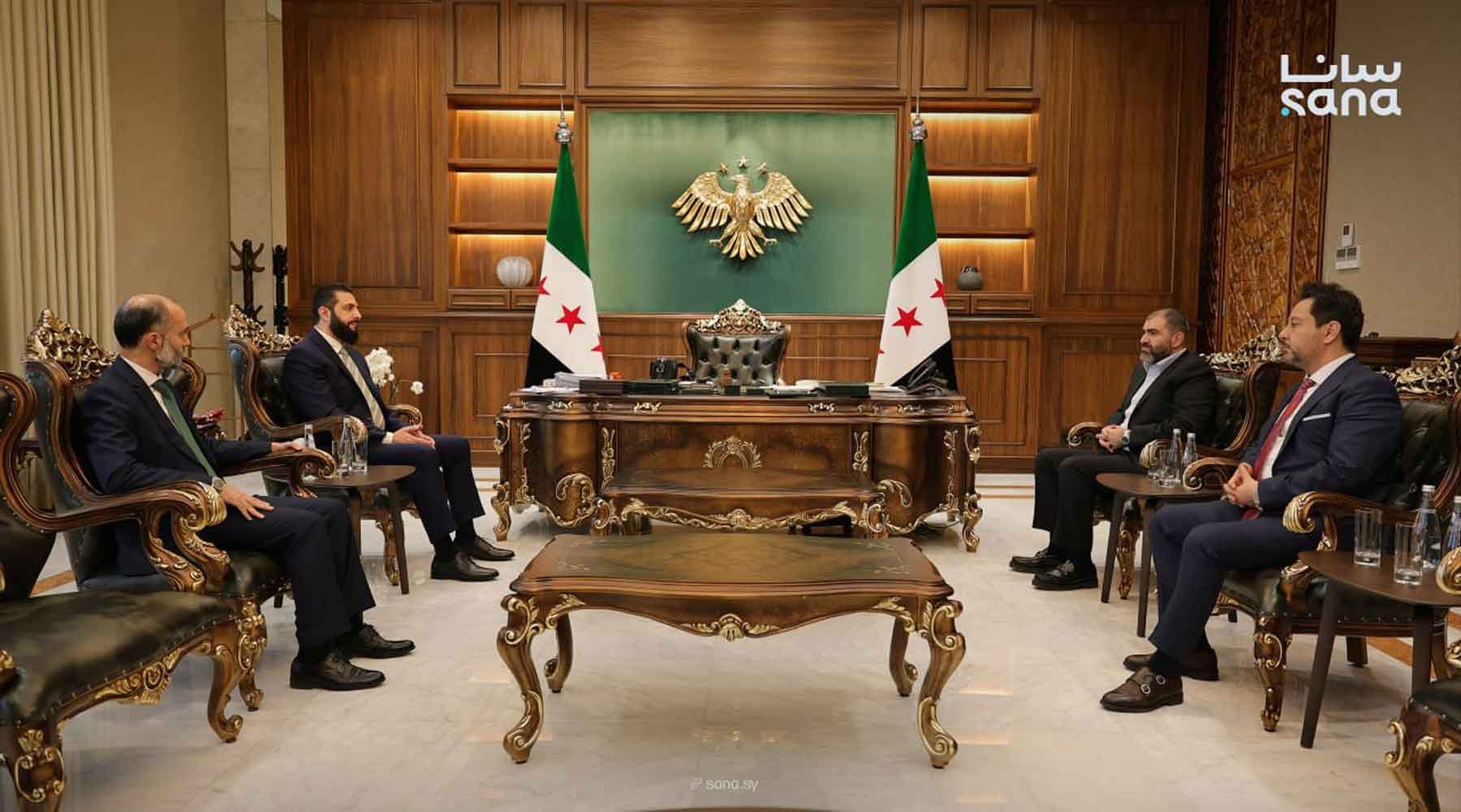
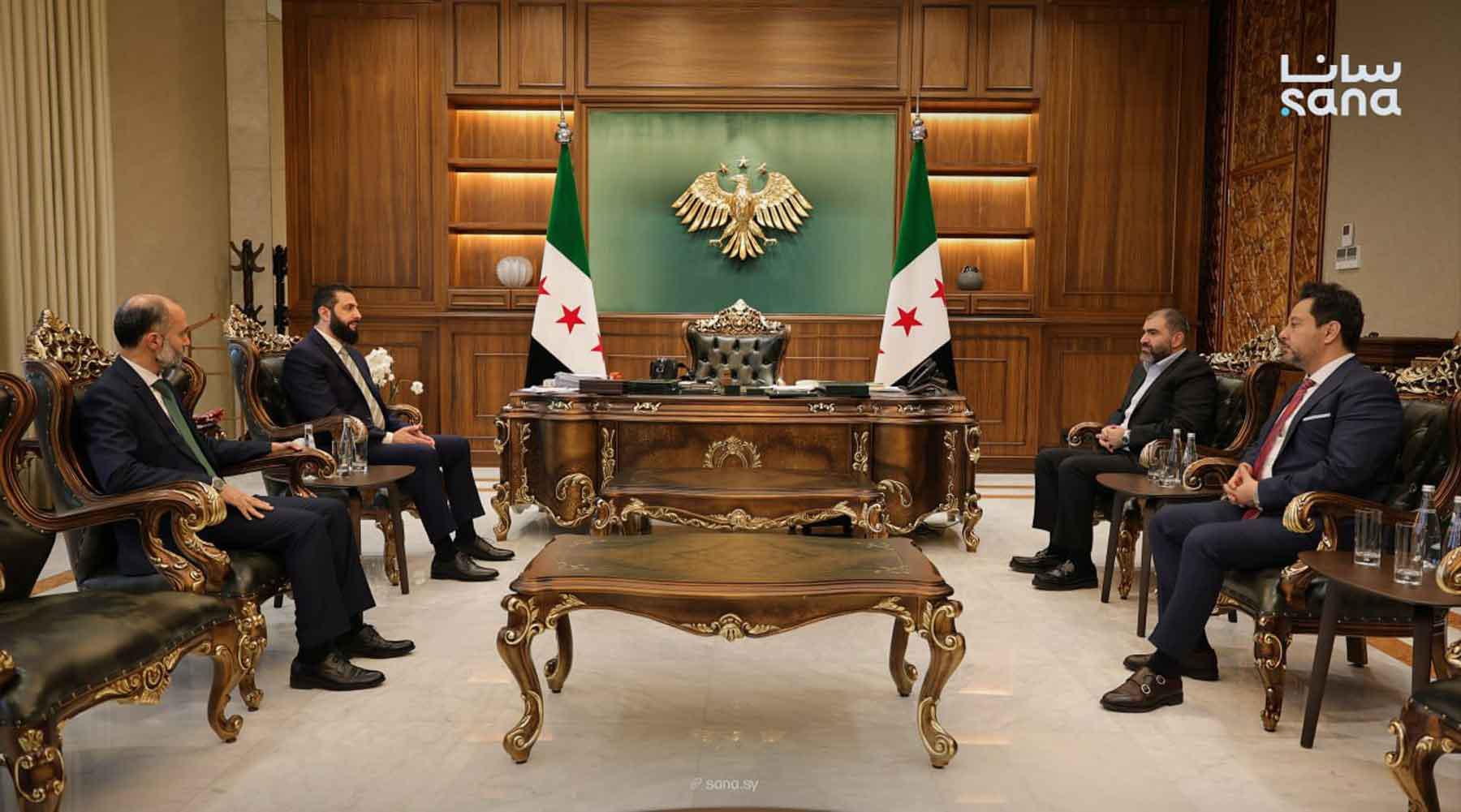
According to Syria’s state news agency SANA, President Ahmed al-Sharaa met representatives of the Turkish company after the signing ceremony, which was attended by the Head of the General Authority for Borders and Customs Qutaiba Ahmad Badawi. Officials said the project aims to introduce shipbuilding to Syria, modernise maritime industries and support sea transport in line with international standards.
Under the terms of the contract, which runs for 30 years, the project will be implemented under a build-operate-transfer (BOT) model and is described by Syrian authorities as the first agreement of its kind in the country’s maritime sector. The Turkish firm will have the right to construct, equip, operate and manage a comprehensive shipyard covering shipbuilding, repair and maintenance activities.
The General Authority for Ports and Customs said the investor is committed to investing at least $190 million over a maximum period of five years to finance construction, equipment, docks and infrastructure, with no financial obligations placed on the Syrian state. The project is expected to support the localisation of shipbuilding across different vessel sizes and help establish an advanced maritime industry within Syria.
The agreement stipulates the creation of 1,700 direct jobs and 3,500 indirect jobs, with at least 95 percent of the workforce required to be Syrian. It also obliges the Turkish company to transfer technical and engineering expertise to local staff, an element officials say is key to building long-term domestic capacity.
In addition, vessels belonging to the Syrian government will benefit from a 20 percent discount on shipbuilding, repair and maintenance services carried out at the facility.
Beyond its economic dimension, the deal highlights Turkey’s accelerating role in shaping Syria’s post-Assad landscape. Ankara has been a key backer of Sharaa and has led diplomatic efforts to rally international support for Damascus and press for the lifting of sanctions. Turkish officials and business leaders increasingly view Syria as a major opportunity for reconstruction investment, with expectations that Turkish companies will secure a significant share of future projects.
Turkey’s influence in Syria has expanded markedly since the fall of Bashar al-Assad, with Ankara seeking to position itself as a central power broker in the country’s political, security and economic reconfiguration. Alongside economic partnerships, Turkey is also pushing to deepen military cooperation with the new Syrian administration, including training and equipping the army, in what observers describe as a reward for years of support to Syrian factions allied with Hayat Tahrir Al-Sham.
Turkish firms are particularly focused on infrastructure development, especially in areas under Turkish control or influence, while analysts note Ankara’s broader ambitions to access strategic assets and natural resources, drawing comparisons with its interventionist economic approach in Libya.