

Leaning more towards a preventive approach
Kuwait reinforces legal measures against transnational terrorism
The decree establishes a robust and detailed mechanism for managing listings, sanctions and security cooperation at a critical regional juncture.
Tuesday 20/01/2026
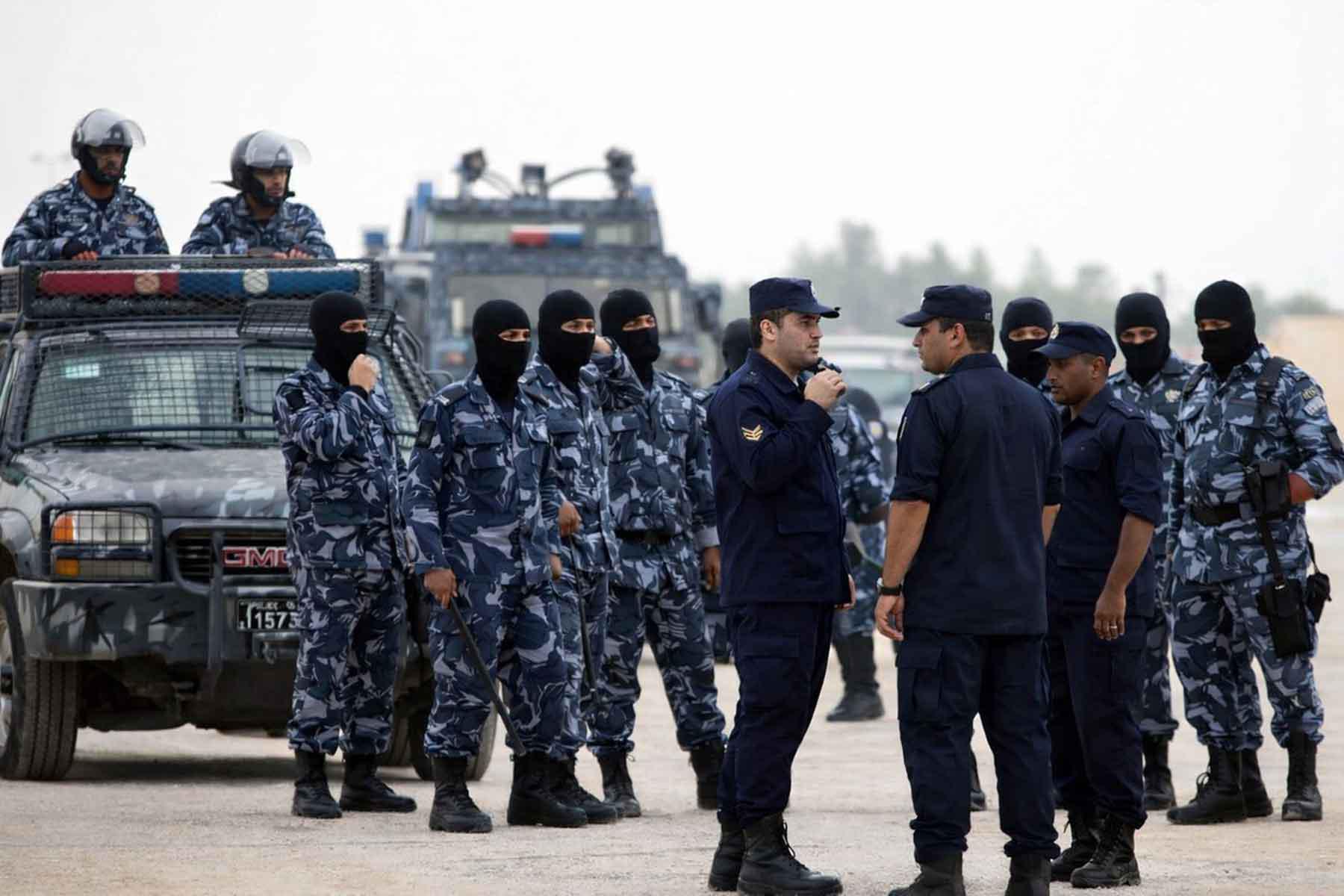
Leaning more towards a preventive approach
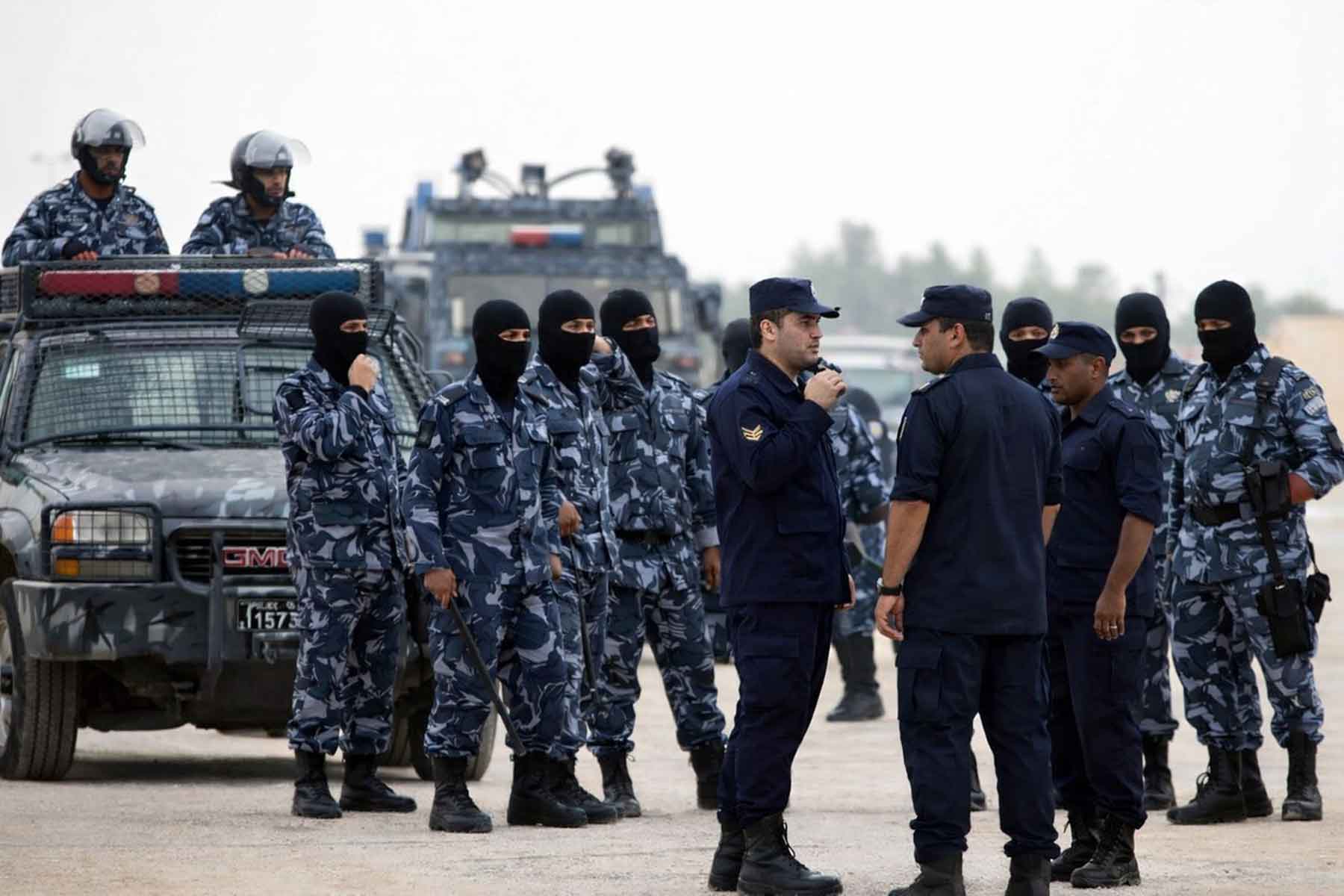
KUWAIT CITY – The Kuwaiti government has taken a decisive step to tighten its national security framework with the issuance of Ministerial Decision No. 176 of 2025, regulating the work of a specialised committee tasked with implementing United Nations Security Council resolutions under Chapter VII of the UN Charter related to counter-terrorism and the non-proliferation of weapons of mass destruction.
The decree, published in the official gazette, goes beyond reaffirming Kuwait’s international commitments and establishes a more robust and detailed mechanism for managing listings, sanctions and security cooperation at a critical regional juncture.
Beyond its technical language, the decision reflects Kuwait’s broader efforts to recalibrate both its domestic and regional security policies.
Like other Gulf states, Kuwait has faced terrorist threats over the past two decades, including networks linked to Iran or Hezbollah, which have sought influence through financing, incitement, or attempts to infiltrate the country’s social and security fabric. These experiences, while not always resulting in large-scale attacks, have shaped a more proactive Kuwaiti security approach, moving from risk management to risk anticipation through tighter legal and institutional tools.
The decree establishes a specialised committee chaired by the Assistant Foreign Minister for Development and International Cooperation, including senior representatives from ministries and authorities directly linked to security, finance, justice, and economic regulation. Members include the ministries of Justice, Interior, Defence, Social Affairs, Commerce and Industry, the Financial Intelligence Unit, Central Bank of Kuwait, Public Prosecution, General Customs, Capital Markets Authority, Civil Aviation, Insurance Regulatory Unit, and the Ministry of Foreign Affairs.
This multi-agency structure signals recognition that counter-terrorism is no longer purely a security issue. It now requires an integrated approach covering financial monitoring, border security, market regulation, transport oversight and judicial coordination.
The committee is empowered to list individuals and entities suspected of involvement in terrorist activity or facilitation, whether on its own initiative or following a local or international request. Once a request is received, the committee must review it immediately, gathering as much identifying information and supporting evidence as possible. Crucially, the committee may open a listing process independently if there are “reasonable grounds” to suspect someone of involvement, facilitation, or association with a terrorist entity, and it may request information from public or private bodies within Kuwait.
Procedurally, the committee chair may appoint a rapporteur and secretariat and invite non-member bodies or experts to meetings as required, creating a flexible and operational coordination platform, while prohibiting notification to individuals under review to protect ongoing investigations and prevent attempts to divert funds or conceal evidence.
The decree’s annex details listing criteria, which extend beyond UN lists related to Al-Qaeda, the Taliban, North Korea, and the Workers’ Party of Korea, explicitly addressing activities linked to the Islamic Republic of Iran. This includes individuals or entities directly or indirectly involved in Iran’s nuclear proliferation programs or providing support, as well as those owned, controlled, or affiliated with the Iranian Revolutionary Guard Corps, Iranian shipping companies and Iran Air’s Cargo.
This explicit reference to Iran underscores Kuwait’s view that threats extend beyond non-state extremist actors to semi-official networks or state-linked regional actors. In this context, the decree functions both as a mechanism for enforcing UN resolutions and as a legal firewall protecting Kuwait against infiltration or circumvention through front companies or complex financial channels.
Regionally, the decree aligns with a wider Gulf effort to reduce the operational space for cross-border militant and paramilitary networks. Kuwait, traditionally pursuing a balanced foreign policy, is signalling a preventive rather than escalatory approach, using legal and regulatory tools to limit opportunities for exploitation.
Domestically, the decree enhances state-community trust by demonstrating that security measures follow clear institutional rules rather than opaque emergency procedures. Involving the Public Prosecution, Capital Markets Authority, and Central Bank of Kuwait signals a comprehensive institutional approach, balancing security, legal, and economic considerations.
Ultimately, Ministerial Decision No. 176 of 2025 sends a clear message: Kuwait will not allow its territory or financial system to be used as a conduit or funding source for terrorist networks, whether local or regionally affiliated, while ensuring that all measures remain compliant with international law.
The decision is therefore more than a technical bureaucratic measure; it represents a strategic step in fortifying Kuwait’s security and legal infrastructure, integrating domestic, regional and international dimensions, and building a system capable of rapid and effective response to emerging threats.