


A shift from aid to leadership
UAE joins US peace board, bolstering Arab role in Gaza’s future
The decision is widely seen as evidence of the UAE’s ability to build bridges with the US administration, ensuring that an influential Arab voice is present within international decision-making circles.
Tuesday 20/01/2026
A shift from aid to leadership
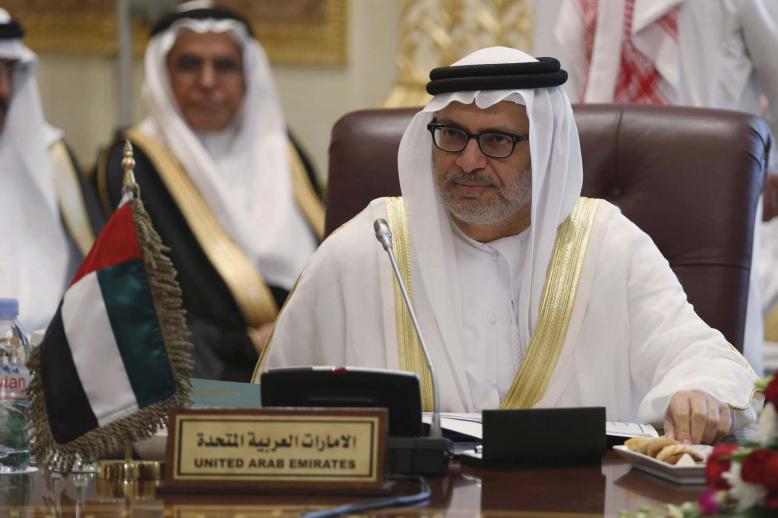
DUBAI – The United Arab Emirates (UAE) accepted an invitation to join US President Donald Trump’s newly-proposed Board of Peace, the UAE foreign ministry said on Tuesday, placing Abu Dhabi among the first governments to publicly endorse the initiative.
The ministry said the UAE stood ready to contribute actively to the mission of the Board of Peace, supporting greater cooperation, stability and prosperity for all, marking Abu Dhabi’s formal alignment with Washington’s new conflict-resolution effort.
Abu Dhabi’s participation as a founding member strengthens its standing as a pivotal regional actor in shaping diplomatic and political solutions, underscoring its growing role in the architecture of Middle East conflict resolution.
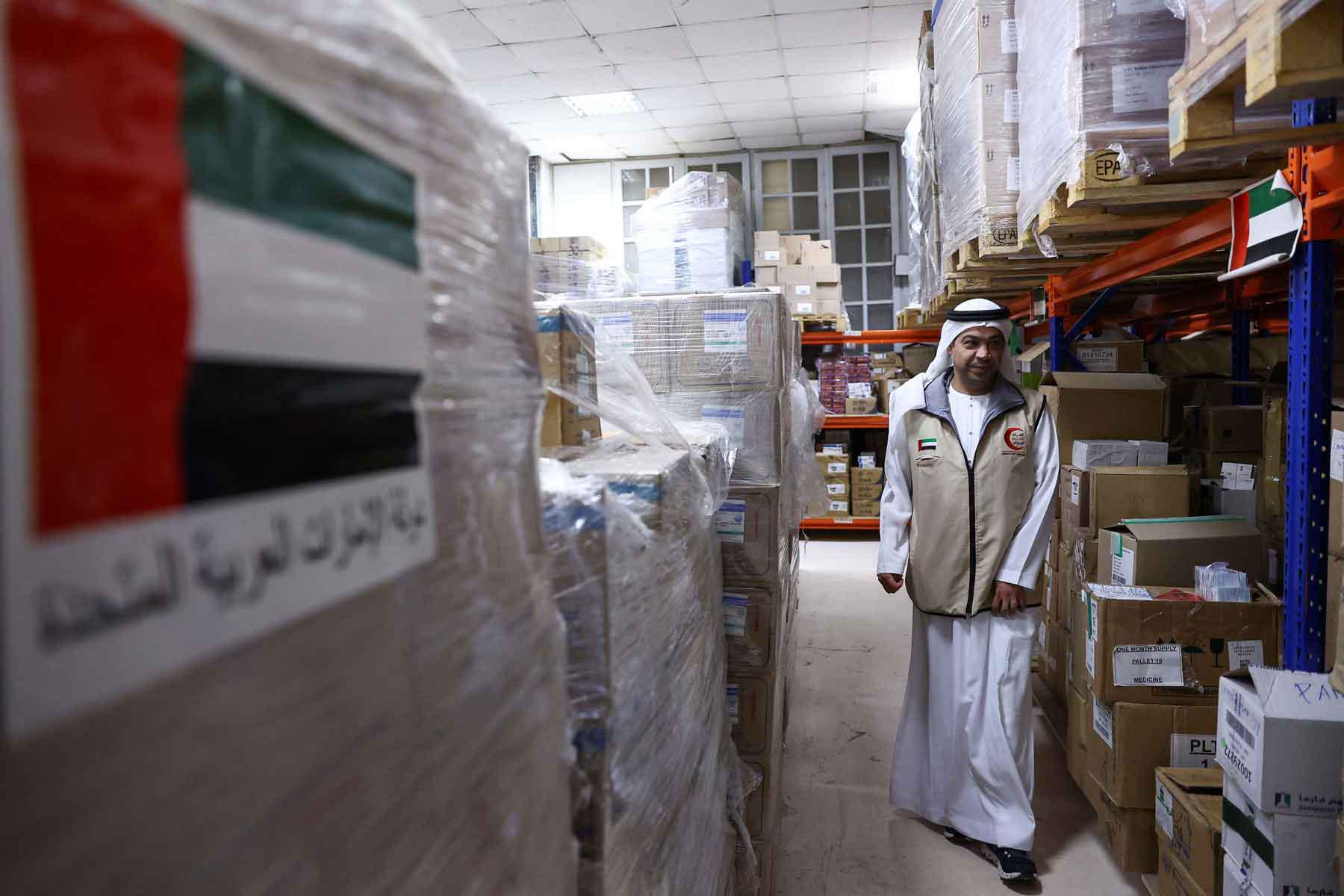
The move builds on a series of earlier Emirati initiatives in Gaza, including Operation Gallant Knight 3, the establishment of a field hospital and multiple humanitarian campaigns that have delivered hundreds of tonnes of aid to the Palestinian territory.
The decision is widely seen as evidence of the UAE’s ability to build effective bridges with the US administration, ensuring that an influential Arab voice is present within international decision-making circles dealing with Gaza’s future.
With broad and balanced relations with major global powers, Abu Dhabi is well positioned to act as a “facilitator” in a highly-complex diplomatic environment. Its acceptance of the invitation also lends momentum and regional legitimacy to the Board of Peace, with Emirati involvement expected to encourage other countries to engage with the initiative.
The UAE has repeatedly stressed that resolving the Gaza crisis cannot be confined to military measures alone, but requires a comprehensive political framework, such as the proposed peace board, to prevent a return to conflict.
Economic and investment capacity is widely regarded as the UAE’s strongest asset within the board. International stakeholders acknowledge that Gaza’s reconstruction will demand massive financial inflows and advanced expertise in infrastructure management, areas in which Abu Dhabi holds a clear comparative advantage, including ports, housing developments and renewable energy.
The Emirati vision links sustainable peace directly to job creation and improved living standards, framing potential investments in Gaza as tools for long-term security rather than mere reconstruction projects.
In essence, Abu Dhabi’s entry into the Board of Peace marks a shift from a primarily humanitarian role to a leadership position in shaping political outcomes, leveraging its diplomatic, financial and strategic weight to ensure that Gaza’s reconstruction becomes a gateway to lasting regional stability.
A copy of the invitation letter and draft charter shows that the UAE’s acceptance comes at a time when governments worldwide react cautiously to Trump’s plan, which aims to begin with the Gaza conflict before widening to tackle other conflicts, according to a copy of the letter and draft charter seen by Reuters.
Some leaders offered ambiguous responses. Italy’s Prime Minister Giorgia Meloni said her country was “ready to do our part,” while Canada’s Prime Minister Mark Carney said Ottawa had agreed in principle pending further details.
The inclusion of a ‘charter’ in the invitation letter triggered concerns among some European governments that it could undermine the work of the United Nations, which Trump has accused of not supporting his efforts to end conflicts around the world.
The board would be chaired for life by Trump. Member states would be limited to three-year terms unless they pay $1 billion each to fund the board’s activities and earn permanent membership, the letter states.
“This simply offers permanent membership to partner countries who demonstrate deep commitment to peace, security, and prosperity,” the White House said in a post on X.
Hungary has also issued an unequivocal acceptance, while most governments have refrained from public comment, voicing concerns privately about the plan’s implications for the UN’s authority.