

Close cooperation
Egypt, UAE step up coordination to secure humanitarian truce in Sudan
Egypt and the UAE continue to align their political and diplomatic efforts in support of a stabilisation track in Sudan and to bring an end to the ongoing conflict.
Friday 23/01/2026
Close cooperation
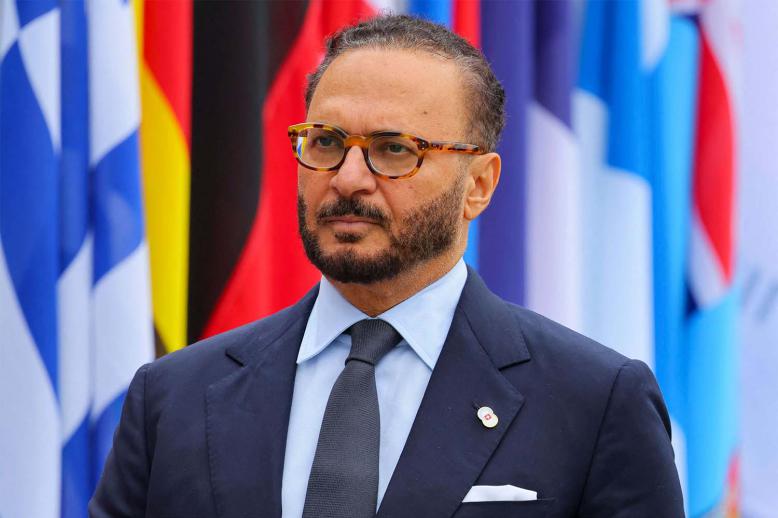
CAIRO – Egypt’s Foreign Minister Badr Abdelatty and his Emirati counterpart Sheikh Abdullah bin Zayed discussed efforts to push towards a humanitarian truce in Sudan during a phone call on Thursday, according to a statement issued by Egypt’s foreign ministry on Friday.
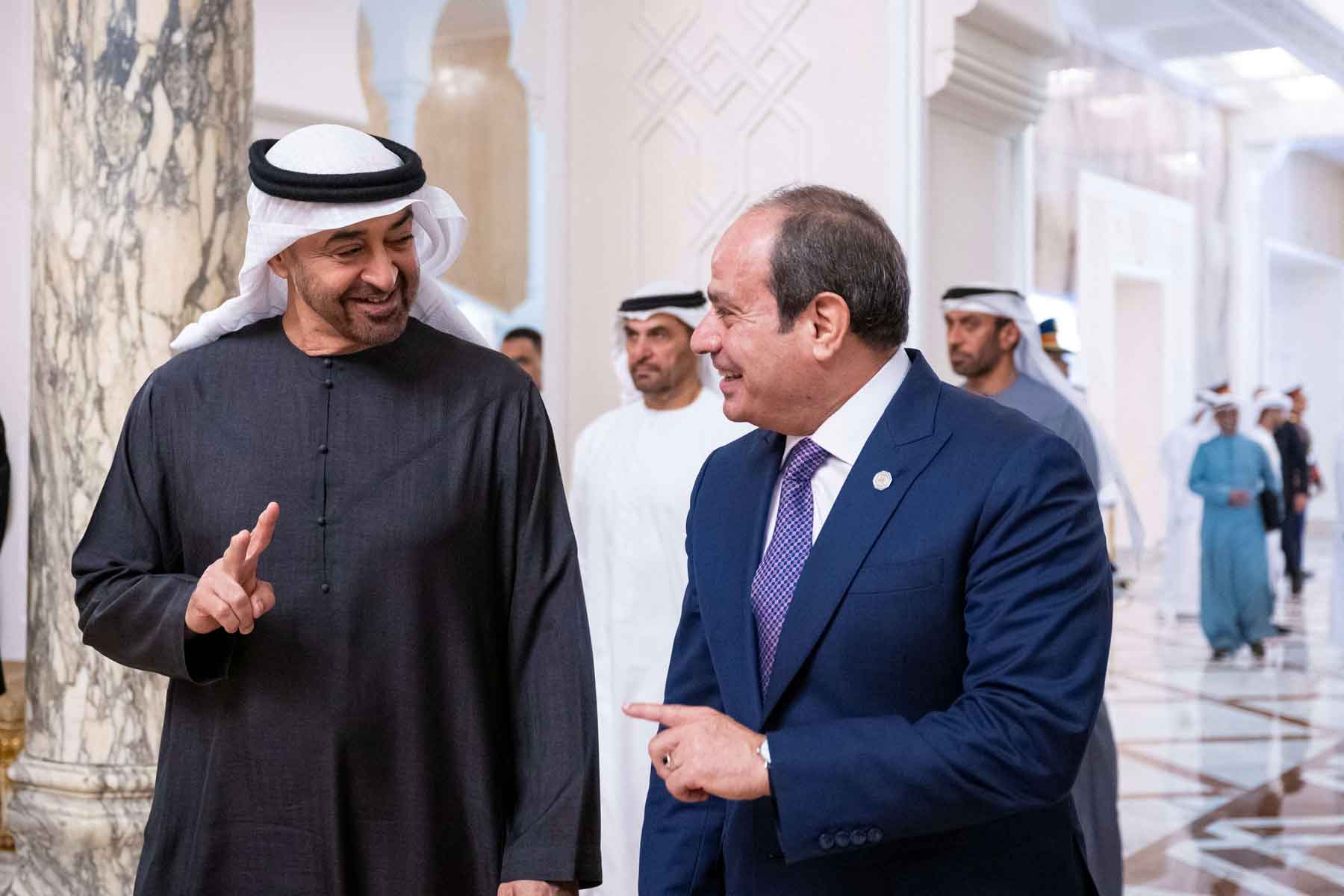
The call highlighted what Egyptian officials described as advanced coordination and close cooperation between Cairo and Abu Dhabi aimed at ending the war in Sudan in a manner that serves regional stability.
Egypt and the United Arab Emirates continue to align their political and diplomatic efforts in support of a stabilisation track in Sudan and to bring an end to the ongoing conflict. This cooperation reflects both countries’ commitment to preserving Sudan’s unity and territorial integrity, alleviating the suffering of the Sudanese people, and advancing a ceasefire that would pave the way for an inclusive political dialogue.
Joint coordination also includes support for regional and international initiatives seeking to resolve the crisis, facilitate the delivery of humanitarian assistance and help restore security and stability, while preventing further escalation and fragmentation. Observers believe this cooperation could have positive repercussions on the Sudanese political and humanitarian landscape.
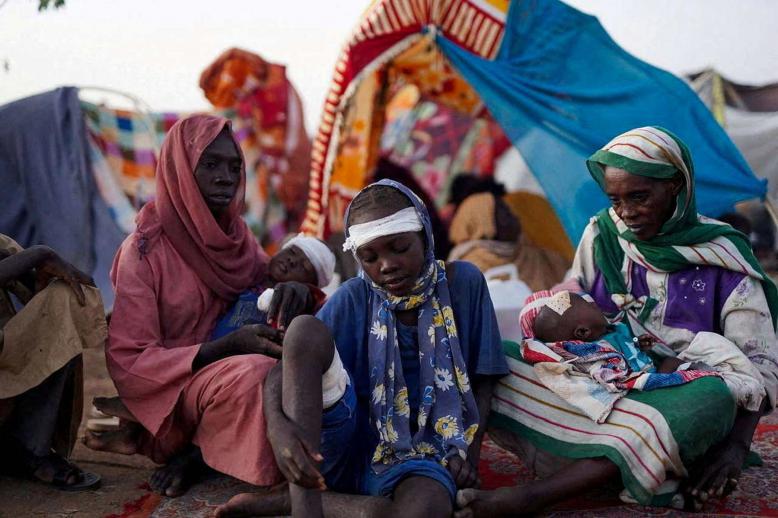
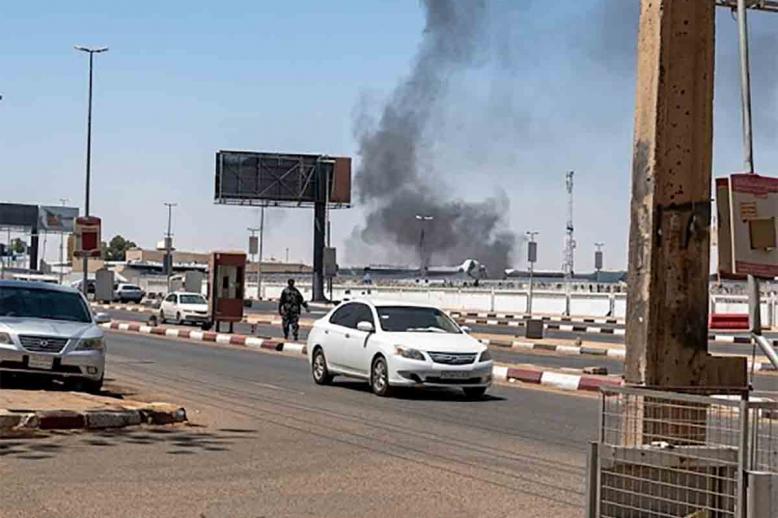
Sudan has been engulfed in fighting since April 2023, when clashes erupted between the Sudanese Armed Forces and the Rapid Support Forces (RSF) over disagreements surrounding the unification of the military institution. The conflict has triggered one of the world’s worst humanitarian disasters, with famine spreading across parts of the country, tens of thousands killed and nearly 13 million people displaced.
During the call, Abdelatty stressed “the depth of the fraternal relations that bind Egypt and the United Arab Emirates, and the close cooperation and continuous coordination they enjoy at various levels.”
According to the Egyptian foreign ministry statement, “the two ministers discussed developments in Sudan and the importance of sustaining coordination within the framework of the Quadrilateral Mechanism, with the aim of pushing towards a humanitarian truce, establishing safe humanitarian corridors and shelters and ultimately reaching a comprehensive ceasefire.”
In September last year, the Quadrilateral Group, comprising Egypt, Saudi Arabia, the UAE and the United States, called for an initial three-month humanitarian truce in Sudan.
While the Rapid Support Forces announced their acceptance of the truce and their willingness to work towards peace, the Sudanese army has yet to respond. The military has insisted that any ceasefire must be conditional on the RSF’s withdrawal from cities and civilian facilities and the regrouping of its forces in designated camps.
The UAE has repeatedly reaffirmed its firm stance in support of de-escalation and a political settlement in Sudan. Abu Dhabi has sought to play an active role combining diplomacy, regional pressure and humanitarian assistance, in pursuit of an immediate ceasefire, the promotion of national dialogue and the delivery of aid, while working closely with regional and international partners to achieve these goals.
Abu Dhabi and Cairo have emerged as key regional actors seeking to stabilise Sudan, accelerate a political solution and halt the humanitarian bleeding caused by the continued commitment of the warring parties to armed confrontation, which has produced one of the gravest humanitarian crises globally.
The call also addressed “developments in the Gaza Strip, including the initiative of US President Donald Trump to establish a Peace Council.” In this context, Abdelatty underscored “the importance of moving forward with the implementation of the requirements of the second phase of the US president’s plan.”
He further stressed “support for the National Committee for the Administration of Gaza, and the swift deployment of the international stability force to monitor the ceasefire,” as steps necessary to enable early recovery and reconstruction, while ensuring the uninterrupted flow of humanitarian aid into the enclave.
According to its charter, the Peace Council is an international organisation that seeks to “enhance stability, re-establish good and lawful governance and ensure lasting peace in areas affected by or threatened by conflict.”
The council is one of four structures intended to manage Gaza’s transitional phase, alongside the Palestinian National Committee for Gaza’s Administration, the Gaza Executive Council and the International Stability Force.
On Thursday, the Swiss city of Davos hosted the signing of the Peace Council’s charter during a ceremony attended by Trump and a number of leaders and representatives of member states.