

The thermal power addition comes as Burkina Faso also pursues renewable options
Dubai-based Mark Cables FZE launches 200-MW power plant in Burkina Faso
Mark Cables' energy project in Burkina Faso highlights the role of private developers in bridging Africa's power gaps, even in the poorest countries.
Monday 26/01/2026
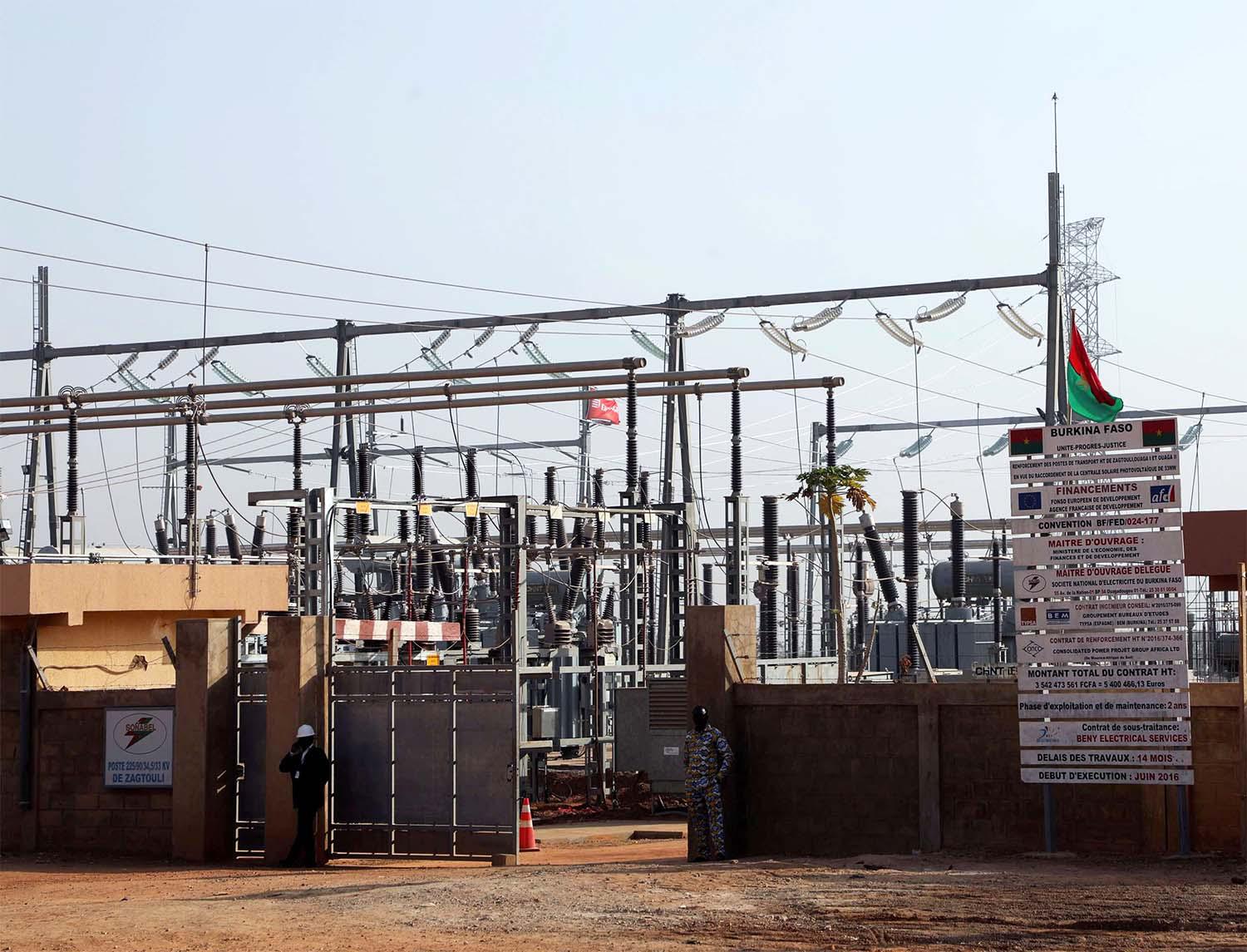
The thermal power addition comes as Burkina Faso also pursues renewable options
DUBAI - Mark Cables FZE, a Dubai-based industrial group specializing in power solutions, infrastructure, and energy projects, announced on Monday the launch of a 200-megawatt (MW) thermal power plant in Burkina Faso.
This development represents a significant step in addressing the West African nation's chronic electricity shortages amid ongoing security challenges.
Burkina Faso, a landlocked country in the Sahel region, has faced severe energy deficits for years.
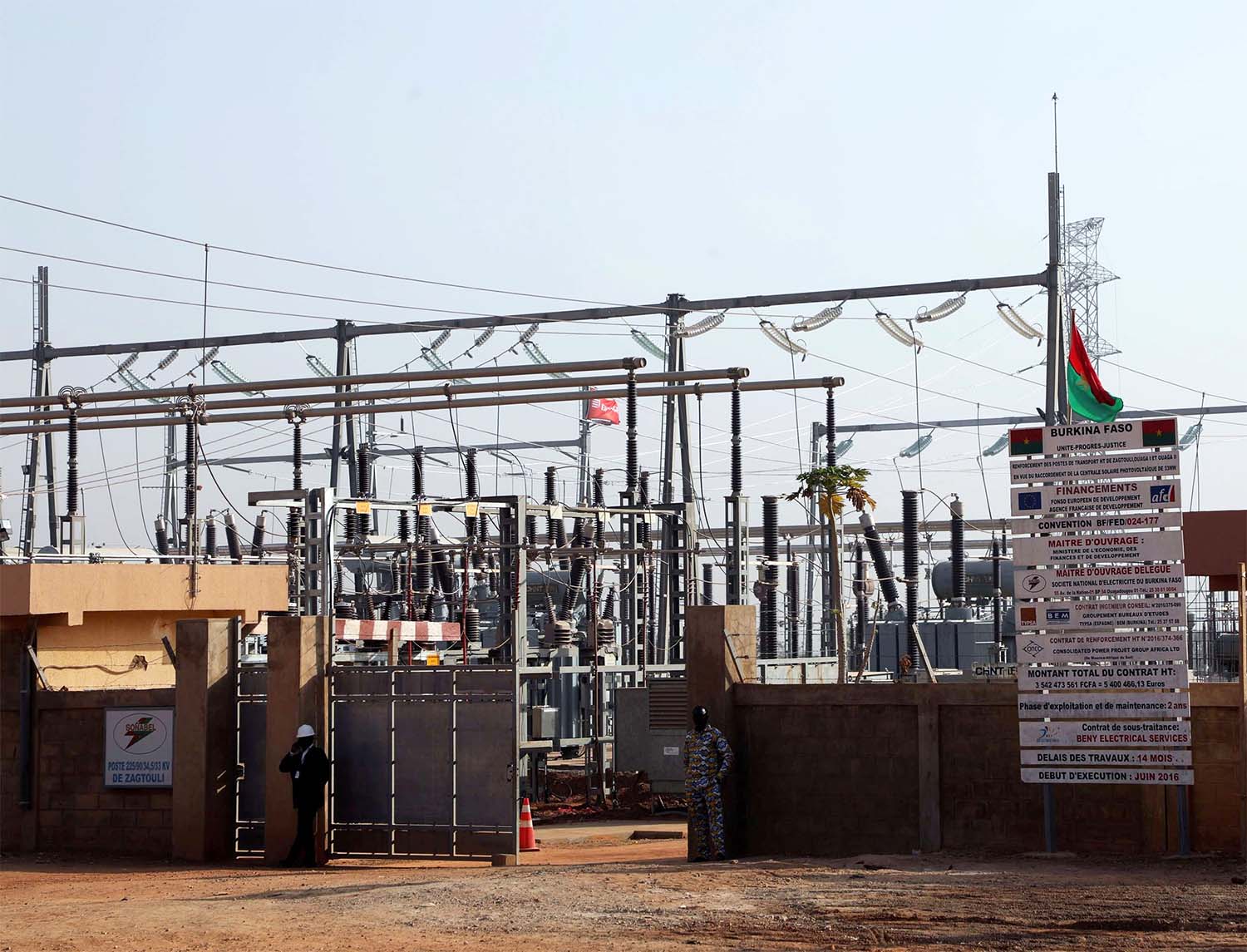
The national utility, SONABEL, struggles to meet demand, resulting in frequent power outages that impact households, businesses, and essential services.
The situation is compounded by jihadist insurgencies that have displaced populations, disrupted economic activity, and complicated infrastructure projects in many regions.
"By providing 200 MW of additional capacity, Mark Cables offers a concrete solution to the national electricity deficit," a company statement said.
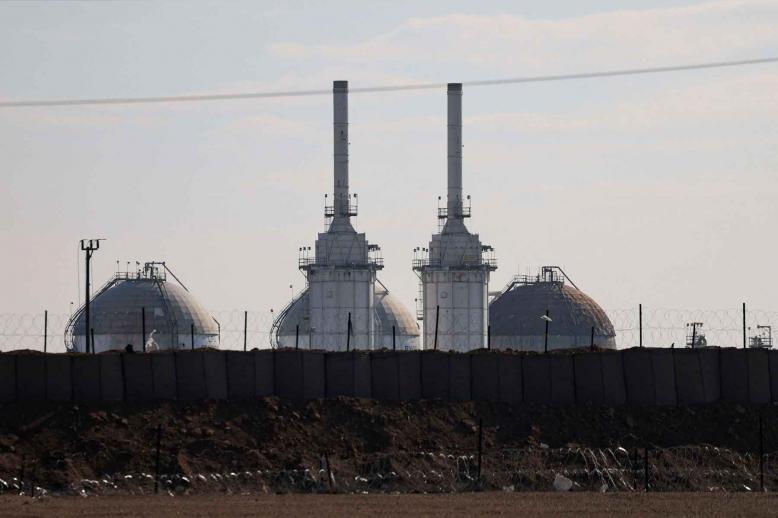
The new 200 MW thermal power plant - likely fueled by heavy fuel oil (HFO) or similar sources, consistent with Mark Cables' expertise in such installations - aims to boost generation capacity substantially.
Thermal plants of this scale can provide reliable baseload power, helping stabilize the grid and reduce dependence on imports or intermittent renewables in the short term.
Mark Cables, operating through entities like Mark Cables Power Solutions (with presence in Dubai's Jebel Ali area), positions itself as a key independent power producer (IPP) in West Africa.
The company offers end-to-end services, including engineering, procurement, construction (EPC), operations and maintenance (O&M), and supply of specialized cables and grid infrastructure.
It has been active in Burkina Faso's energy sector, supporting both new and refurbished HFO-based stations.
While specific details on the plant's exact location, fuel type, timeline for full commissioning, or power purchase agreement with SONABEL were not immediately detailed in the announcement, the project aligns with Burkina Faso's broader push to expand energy infrastructure under the leadership of Captain Ibrahim Traoré. Recent government initiatives include approvals for multiple thermal plants and efforts to improve nationwide electricity access, reliability, and reduce outages.
This thermal addition comes as the country also pursues renewable options, such as solar projects backed by international funds like the Emerging Africa & Asia Infrastructure Fund (EAIF), though thermal sources remain critical for rapid capacity gains in an insurgency-affected environment where large-scale solar farms can face security and logistical hurdles.
The launch underscores growing interest from the United Arab Emirates in Africa's energy sector and investment in the continent, even in fragile states.
The UAE invested $110 billion in Africa between 2019 and 2023, overtaking China as the continent's top foreign investor, according to data released by the French treasury.
For Burkina Faso, the 200 MW boost could represent roughly a notable fraction of its current installed capacity, which is estimated around 400-500 MW in recent years, with heavy reliance on imports from neighbours like Côte d'Ivoire and Ghana.