


Vulnerable to technological traps
Egypt moves to rein in children’s social media use as online risks mount
The push towards regulating children’s access to social media reflects deep anxiety in Egypt and elsewhere over the spread of platforms and applications aimed at young users.
Tuesday 27/01/2026
Vulnerable to technological traps
CAIRO – Egypt’s parliament is moving towards launching a nationwide community dialogue on banning or restricting children’s use of mobile phones and social media platforms, amid growing concern over what lawmakers describe as the “chaos” of online exposure among minors.
Members of the House of Representatives have urged relevant state bodies, families and civil society organisations to take part in the discussions, aimed at drafting legislation to curb excessive social media use by children. Lawmakers warn that unchecked access is fuelling digital addiction and deepening social isolation between children and their families.
The parliamentary move came on Sunday, just one day after President Abdel Fattah al-Sisi called for regulating children’s use of mobile phones, following a wave of public reaction to a popular Egyptian television series titled “Labet Waqalbet Begad” (A Game That Turned Dark). The series highlights the dangers of online gaming, focusing on the global platform Roblox and how it can shift from harmless entertainment into a tool for blackmail, violence and sexual harassment targeting children.
President Sisi pointed to international precedents, particularly Australia, which passed legislation in December banning children under the age of 16 from accessing social media platforms. The Australian law also imposes heavy financial penalties on major technology companies if they fail to comply.
While the ten largest platforms, including YouTube, Snapchat, X, Facebook, TikTok, Kik, Threads, Instagram, Twitch and Reddit, have responded to Australia’s legislation, significant challenges remain, particularly around age verification. Children can bypass safeguards by using the identities of older friends or by accessing platforms through VPN applications that mask their location and allow entry via other countries.
Several European countries, including France, Britain and Denmark, have begun introducing draft legislation aimed at protecting children and reducing the risks associated with widespread social media addiction among minors. However, it remains unclear whether these countries will succeed in passing such laws, or whether they will face backlash from civil liberties advocates, alongside practical difficulties in enforcing restrictions on tech-savvy children who quickly learn how to evade controls.
In Egypt, parliament’s initiative has resonated strongly with many families, who are increasingly alarmed by the impact of internet addiction on children. Parents fear an uncertain future for their sons and daughters amid mounting warnings conveyed through television dramas, the rapid spread of child-focused games, and a rise in reported suicide cases linked to violent or coercive online challenges.
Children often imitate what they see on their personal devices out of curiosity or experimentation, unaware that such behaviour can spiral into far more serious crises that affect society as a whole. These risks, officials argue, are not confined to individual households, which is why President Sisi’s warning struck a chord and prompted parliament to respond, paving the way for a broader societal dialogue.
The nature of the discussions and their eventual outcomes remain uncertain. However, there is little doubt that new legislation will be introduced in the near future to reassure families anxious about their children’s exposure to digital content. The president’s firm tone suggests the issue is backed by intelligence and reports from relevant state agencies, indicating that the problem has reached a level that can no longer be ignored.
Passing such legislation is unlikely to be difficult for parliament, where the government holds a comfortable majority. Public sentiment is already critical of the negative effects of the virtual world on society, particularly on children. The government also has prior experience in imposing restrictions on content produced by social media influencers on TikTok, measures to which the platform ultimately responded to avoid losing a vast market such as Egypt, where around 93 million people use the internet.
The push towards regulating children’s access to social media reflects deep anxiety in Egypt and elsewhere over the spread of platforms and applications aimed at young users. Many of these, experts warn, carry serious social risks that could shape the awareness of future generations, affecting their ability to benefit from technology while minimising its harmful aspects.
This places a heavy responsibility on families, as legislation alone cannot replace parental oversight. No matter how strict the laws or controls, they cannot substitute for the family’s role as the first line of education and guidance. Success or failure at home often determines the broader outcome.
Digital experts caution that complete electronic isolation is not a solution and will not necessarily correct children’s behaviour. Beyond mainstream platforms lies the “dark web,” where children can access games and content that may be even more harmful, including spaces that facilitate blackmail, harassment and incitement to violence.
Excessive engagement with social media has also given rise to what specialists describe as “digital distraction,” driven by the sheer volume of applications offering mixed services, some beneficial, others laden with negative or dangerous content.
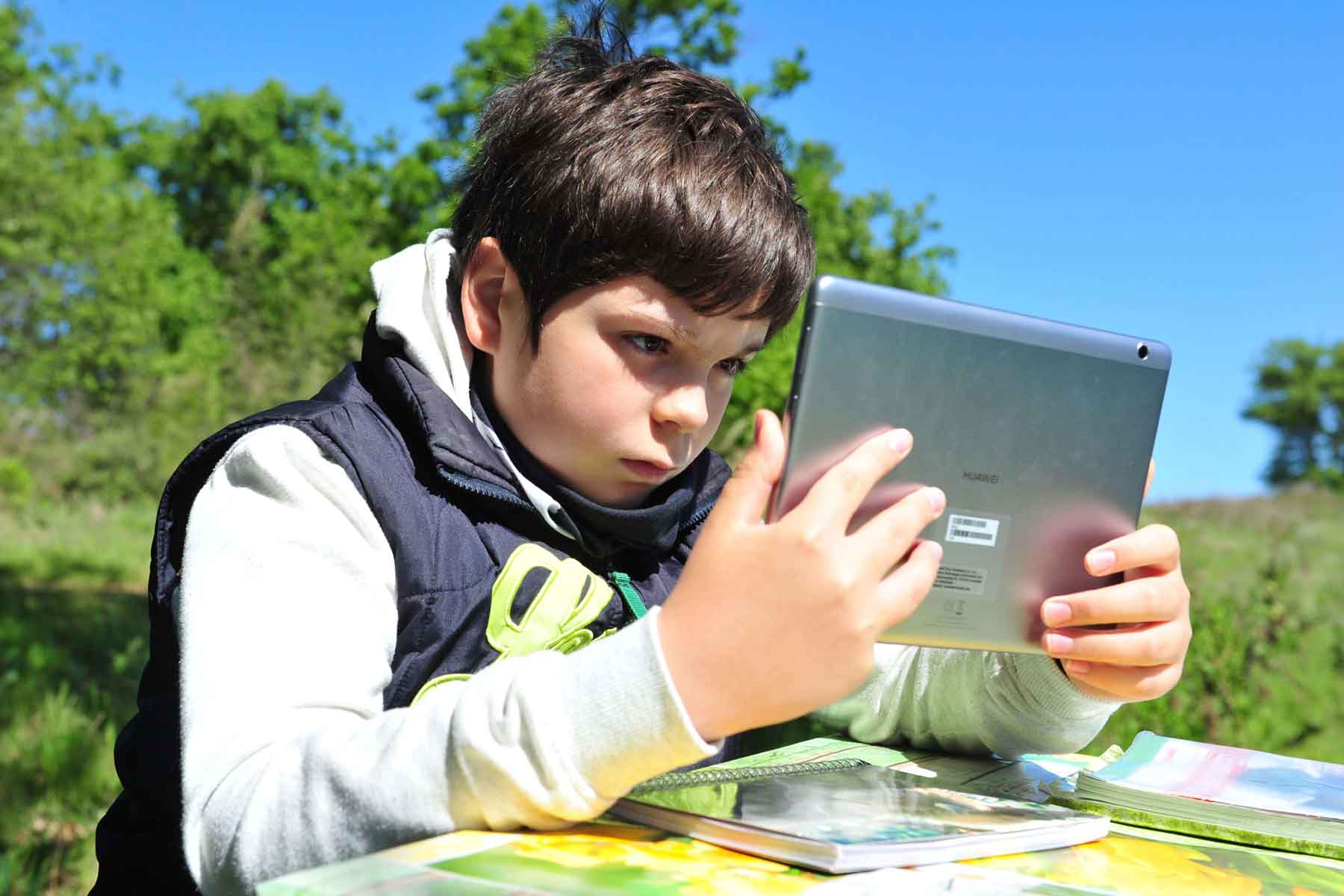
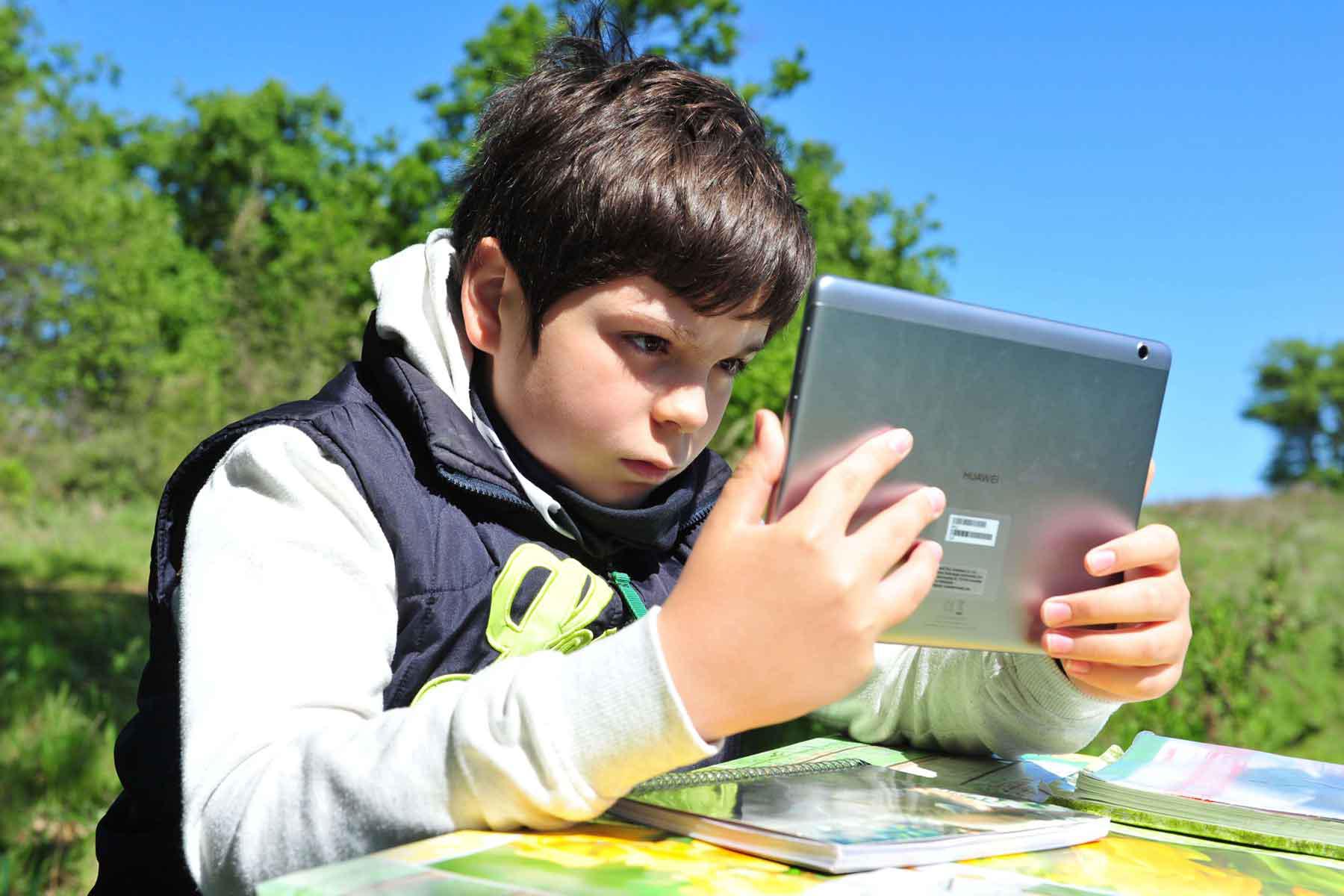
At an early age, children are naturally inclined towards exploration and curiosity, making them vulnerable to technological traps that can lead to social and even economic crises. Some applications have even created their own virtual currencies, encouraging children to engage continuously and remain hooked.
Experts stress that parental authority alone will not be enough to change behaviour. Even if Egypt succeeds in passing restrictive legislation, public awareness will be just as crucial. This responsibility must be shared between families and official institutions, including the media and cultural bodies.
Without coordinated action, the impact of any new law risks remaining largely symbolic. Parliament may legislate, the government may attempt enforcement, and families may impose supervision, but meaningful change requires sustained awareness campaigns tailored to children’s interests, needs and desire for hands-on experiences.
Egypt may ultimately follow Australia’s lead or adopt similar measures to restrict children’s access to social media. However, the true measure of success will lie in whether the law delivers tangible results. Legislation is meant to be enforced, protected and not circumvented, a goal that will require additional practical steps, including resisting pressure from major technology companies citing investment concerns.
Restricting children’s access to harmful platforms, officials argue, could become a rolling process, like a snowball gathering momentum, aimed at curbing the unchecked expansion of applications that pose growing risks to children’s mental health and to society at large.