


Looking to stabilise relations
Saudi statements suggest Yemen row with UAE may be easing
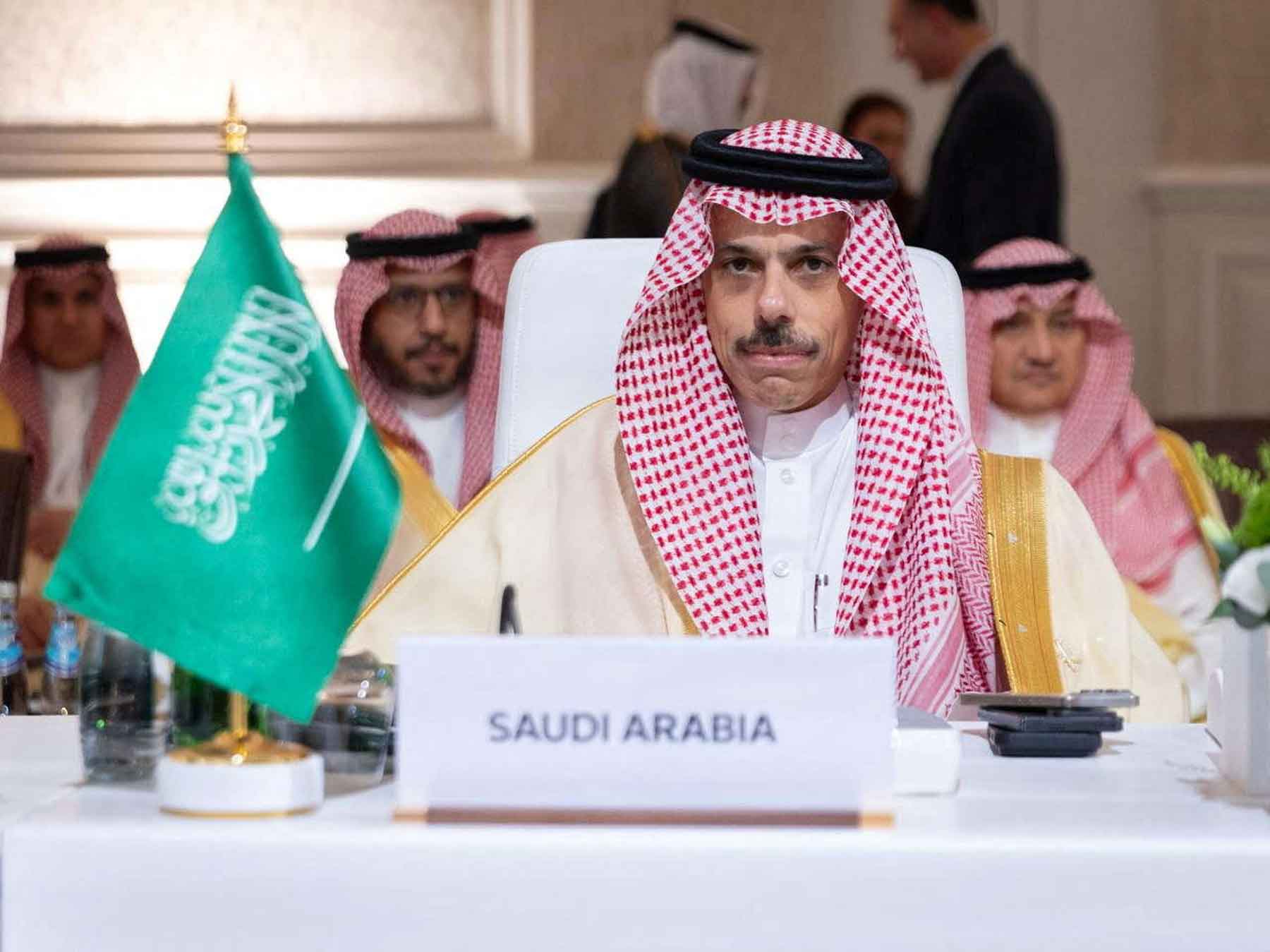
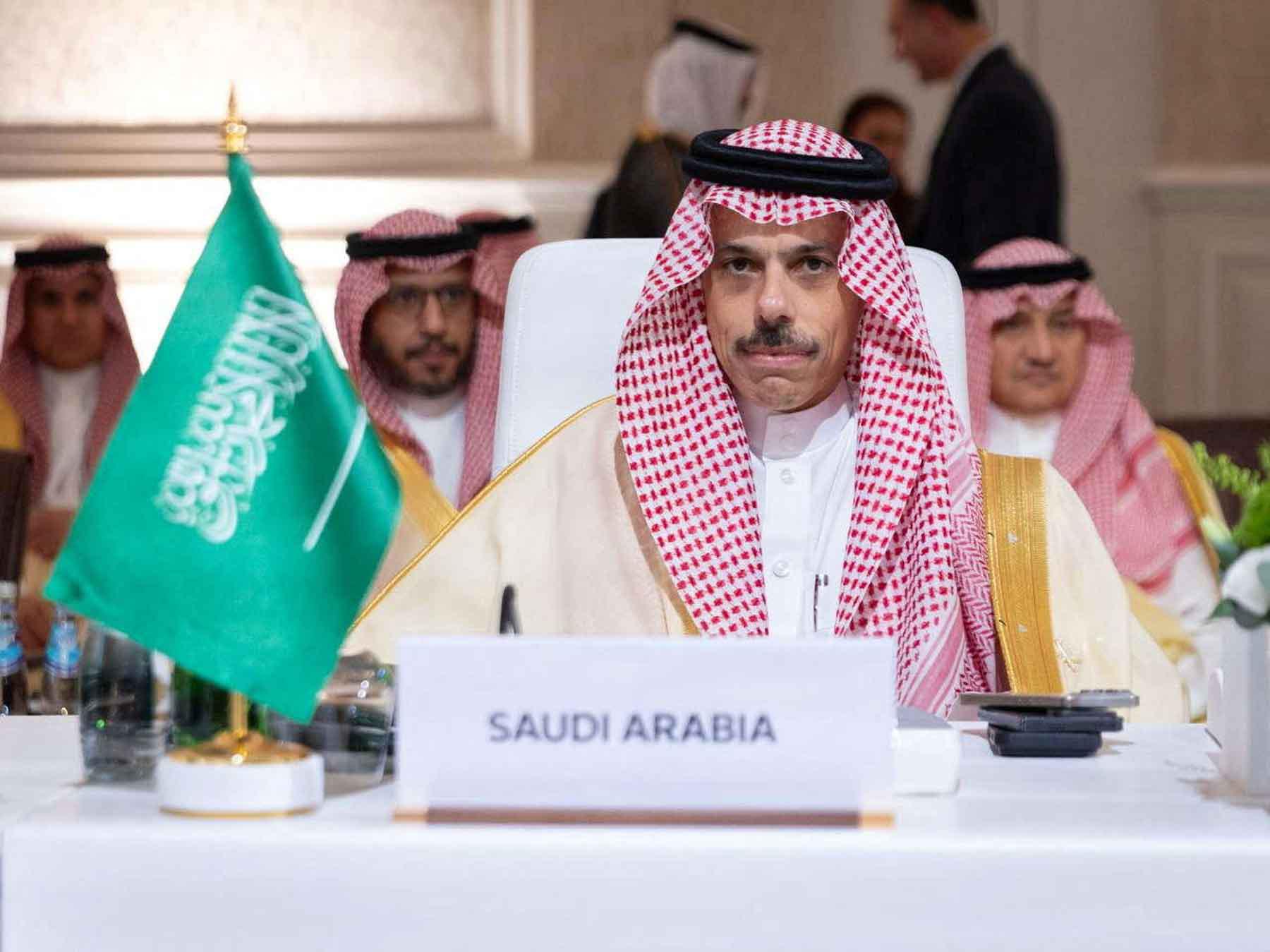
During a news conference, Saudi Arabia’s Foreign Minister Faisal bin Farhan said Riyadh was “always keen” to have a “strong, positive relationship with the UAE.”
Tuesday 27/01/2026
Looking to stabilise relations
WARSAW – Saudi statements on Monday suggested that a prolonged row with the United Arab Emirates over Yemen could be drawing to a close, as Riyadh signalled openness to maintaining “strong, positive” relations with Abu Dhabi following its announced withdrawal from the conflict.
The two Gulf neighbours, long-standing allies and regional economic powerhouses, have increasingly backed rival actors in several countries in recent years, creating tensions in both business and geopolitical spheres.
The rivalry over Yemen escalated last year after UAE-backed separatists seized swathes of territory, including areas along the Saudi border. Riyadh responded with air strikes and support for local allies to reclaim control.
Saudi Arabia also demanded that all Emirati forces be withdrawn from Yemen. The UAE confirmed it had complied, describing the move as a reflection of its pragmatic approach and preference for de-escalation and conflict containment.
Despite the UAE’s exit, its role in Yemen had been widely recognised. The country contributed to maintaining stability, provided humanitarian and development assistance, and supported the internationally-recognised Yemeni government against both the Iran-backed Houthis and other armed groups. In announcing its withdrawal, the UAE emphasised that it was a sovereign decision taken independently.
During a news conference in Warsaw, Saudi Foreign Minister Faisal bin Farhan said Riyadh was “always keen” to maintain a “strong, positive relationship with the UAE.”
“The UAE has now decided to leave Yemen and I think if that indeed is the case and the UAE has completely left the issue of Yemen, the Kingdom of Saudi Arabia will take responsibility,” he said. “I think that will be the building block for making sure that the relationship with the UAE continues strong and continues to serve the interests not just of both countries but the region.”
Yemen’s internationally-recognised government remains a coalition of groups united primarily by opposition to the Houthis, who seized the capital, Sana’a, in 2014 and now control much of the north. The government had previously included figures supported by both the UAE and Saudi Arabia. However, after Saudi-led forces reversed the Southern Transitional Council’s takeover and facilitated the UAE’s exit, most Emirati-backed members were removed.
Saudi officials have accused STC leader Aidarous al-Zubaidi of fleeing to Abu Dhabi, alongside other separatist figures.
The statements on Monday suggest that, with Abu Dhabi’s withdrawal from Yemen, Riyadh is looking to stabilise relations and shift focus toward broader regional cooperation, signalling a potential thaw in a dispute that had raised concerns about Gulf unity and strategic coordination.