

Trump issues stark warning on Maliki’s return, threatens to cut support
Morocco, Denmark step up cooperation in fight against organised crime
Morocco has played a pivotal role in thwarting terrorist plots within its borders, while also providing intelligence that has helped protect the security of partner countries.
Wednesday 28/01/2026
Trump issues stark warning on Maliki’s return, threatens to cut support
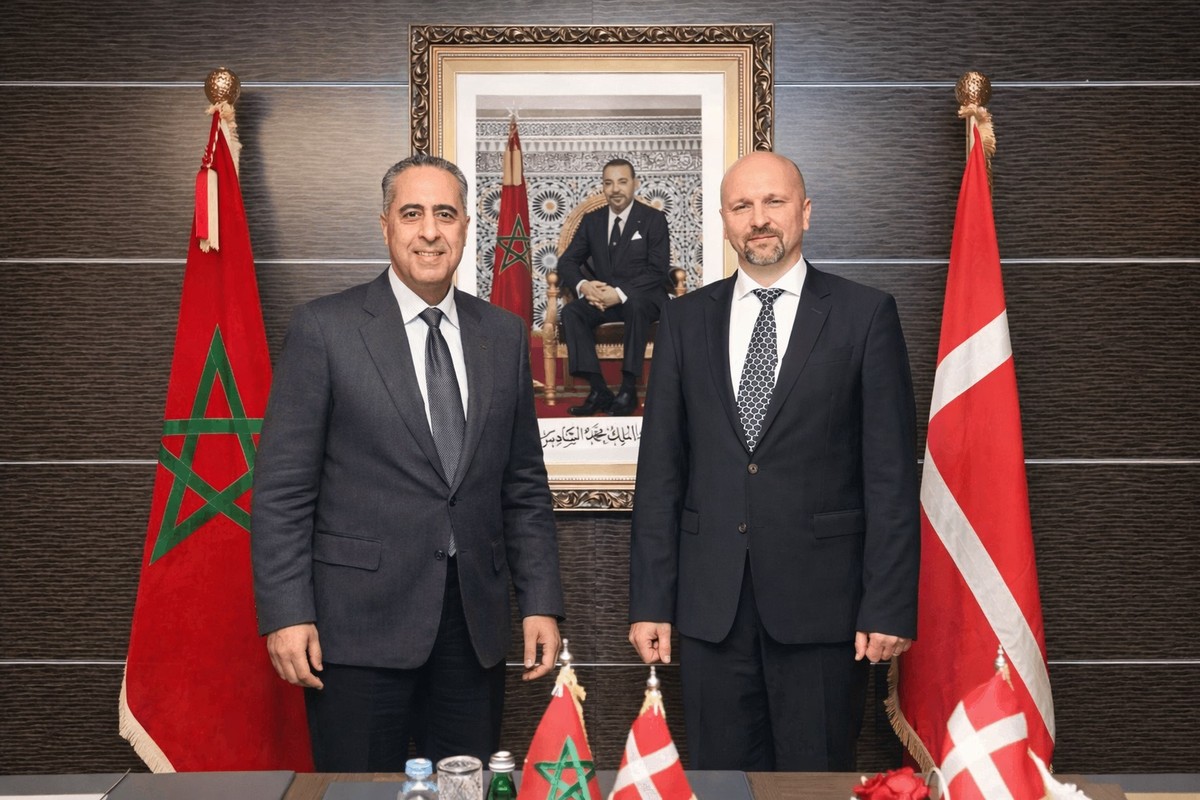
RABAT – Morocco and Denmark held high-level security talks in the Moroccan capital Rabat on Tuesday, reflecting a growing convergence between the two countries in confronting transnational organised crime and complex terrorist threats.
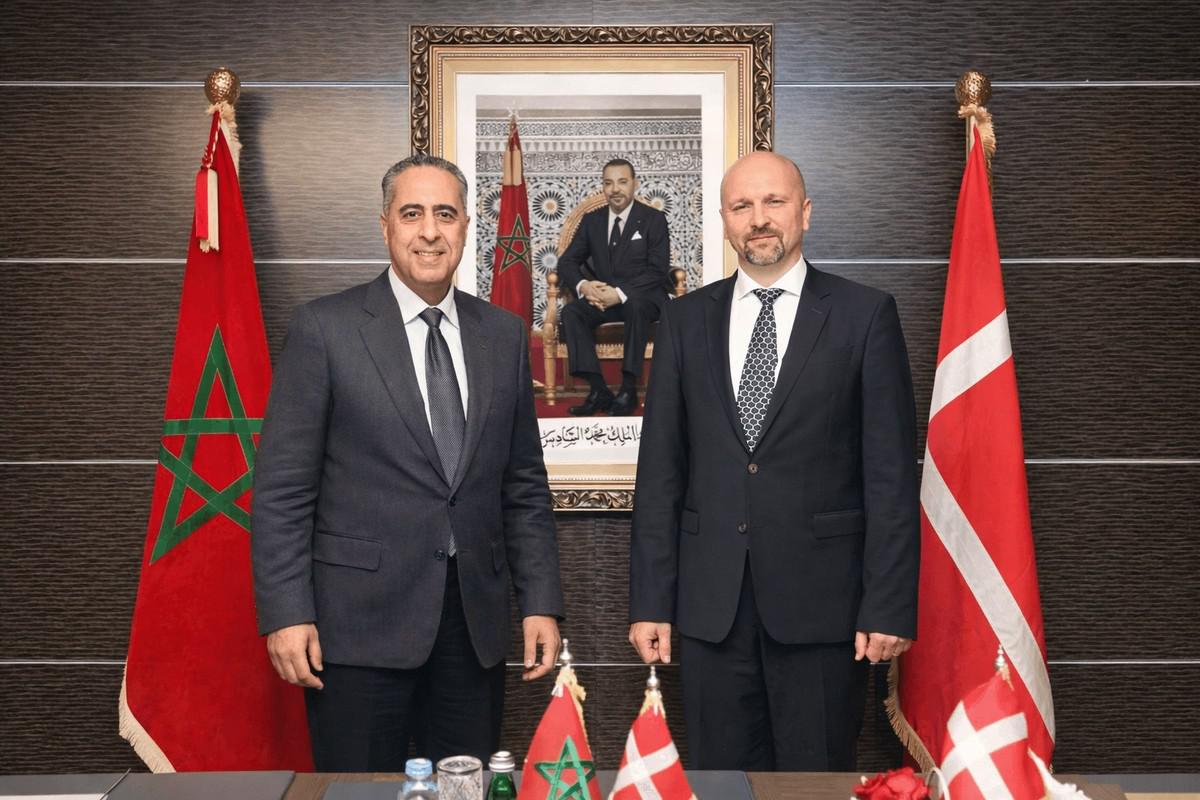
The talks brought together Morocco's Director General of National Security and Territorial Surveillance (DGSN–DGST) Abdellatif Hammouchi and Denmark’s Police Director and Head of the National Special Crime Unit Mikael Wern, who is visiting the kingdom at the head of a specialised security delegation.
The meeting comes amid a sustained diplomatic and security drive by Morocco to consolidate its standing as a reliable international security partner, at a time when cross-border criminal networks and evolving terrorist threats are becoming increasingly sophisticated and interconnected.
According to a statement from Morocco’s General Directorate of National Security, discussions focused on advancing bilateral security cooperation to more institutionalised and structured levels. The two sides explored the establishment of a formal legal and organisational framework to regulate cooperation between Morocco’s national security and intelligence services and their Danish counterparts.
This framework would cover the exchange of expertise, the provision of technical assistance, the strengthening of joint police training programmes, and the development of closer operational cooperation in areas considered security priorities for both countries.
The talks also included an assessment of existing bilateral cooperation in combating transnational organised crime networks, which have increasingly adapted complex methods, exploiting technological advances and the overlap between smuggling routes and illicit trafficking activities. Discussions further addressed the movement and activity of terrorist organisations at both regional and international levels, underscoring the need for close coordination and the rapid, effective exchange of intelligence.
Both sides stressed the importance of strengthening coordination mechanisms for tracking and apprehending internationally wanted individuals, and of facilitating extradition procedures in line with national laws and relevant international conventions. The objective, officials said, is to prevent any geographical space from becoming a safe haven for criminals or individuals involved in terrorist activities.
The two parties agreed to give top priority to signing a joint memorandum of understanding in the near future, which would serve as the reference framework for bilateral cooperation. Such an agreement would lay the foundations for a robust and sustainable security partnership, reflecting Morocco’s increasingly prominent role within the international architecture for combating organised crime, terrorism and violent extremism.
The Rabat talks build on Morocco’s cumulative security experience over recent years, during which the kingdom has developed a balanced security model combining operational effectiveness, adherence to the rule of law and sustained investment in human capital. Moroccan security services have amassed significant experience in dismantling complex criminal networks, including those linked to terrorism, international drug trafficking, human smuggling and cross-border financial crimes.
This track record has drawn growing interest and recognition from a wide range of countries and international security institutions. The confidence placed in Morocco’s security agencies, particularly the DGSN–DGST, reflects the success of the kingdom’s proactive approach to countering security threats. This approach blends precise intelligence work, carefully calibrated field operations and extensive international cooperation.
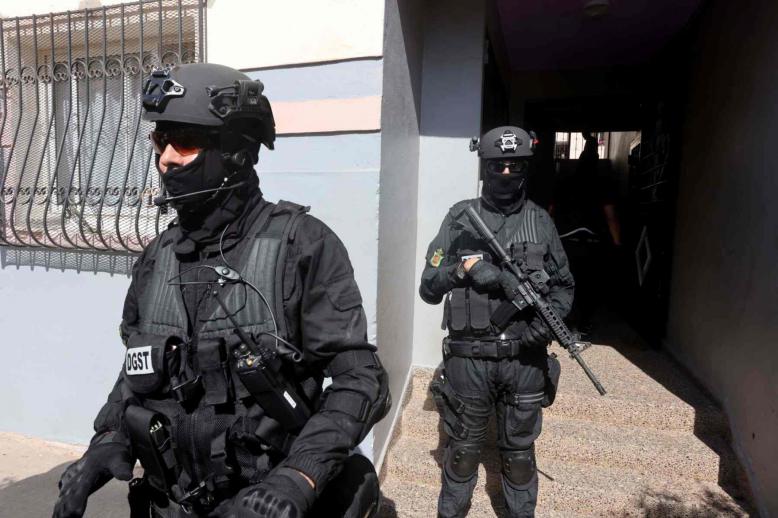
Morocco has played a pivotal role in thwarting terrorist plots within its borders, while also providing intelligence that has helped protect the security of partner countries. Its openness to building multi-layered security partnerships also reflects a clear understanding that contemporary security challenges are inherently transnational and cannot be addressed by any single state acting alone.
In this context, cooperation with northern European countries, including Denmark, forms part of a broader Moroccan strategy aimed at diversifying partnerships and exchanging best practices in sensitive fields such as risk analysis, tracking criminal networks and the use of advanced technologies in policing.
The Rabat meeting also underscores Morocco’s firm commitment to contributing actively to international efforts to safeguard regional and global security, at a time of overlapping crises and rising non-traditional threats. From its strategic geographical position, the kingdom views its national security as intrinsically linked to that of its regional environment and international partners.
Ultimately, the Moroccan-Danish security talks in Rabat not only signal a shared determination to strengthen bilateral cooperation, but also reflect growing international recognition of Morocco’s central role in combating organised crime and terrorism, and of the security expertise it has developed as a trusted and effective partner in promoting stability at both regional and global levels.