

A return to negotiations or open confrontation?
Trump urges Iran to negotiate or face escalated military response
Iran has been reaching out to Arab states allied with Washington in an attempt to shore up diplomatic support.
Wednesday 28/01/2026
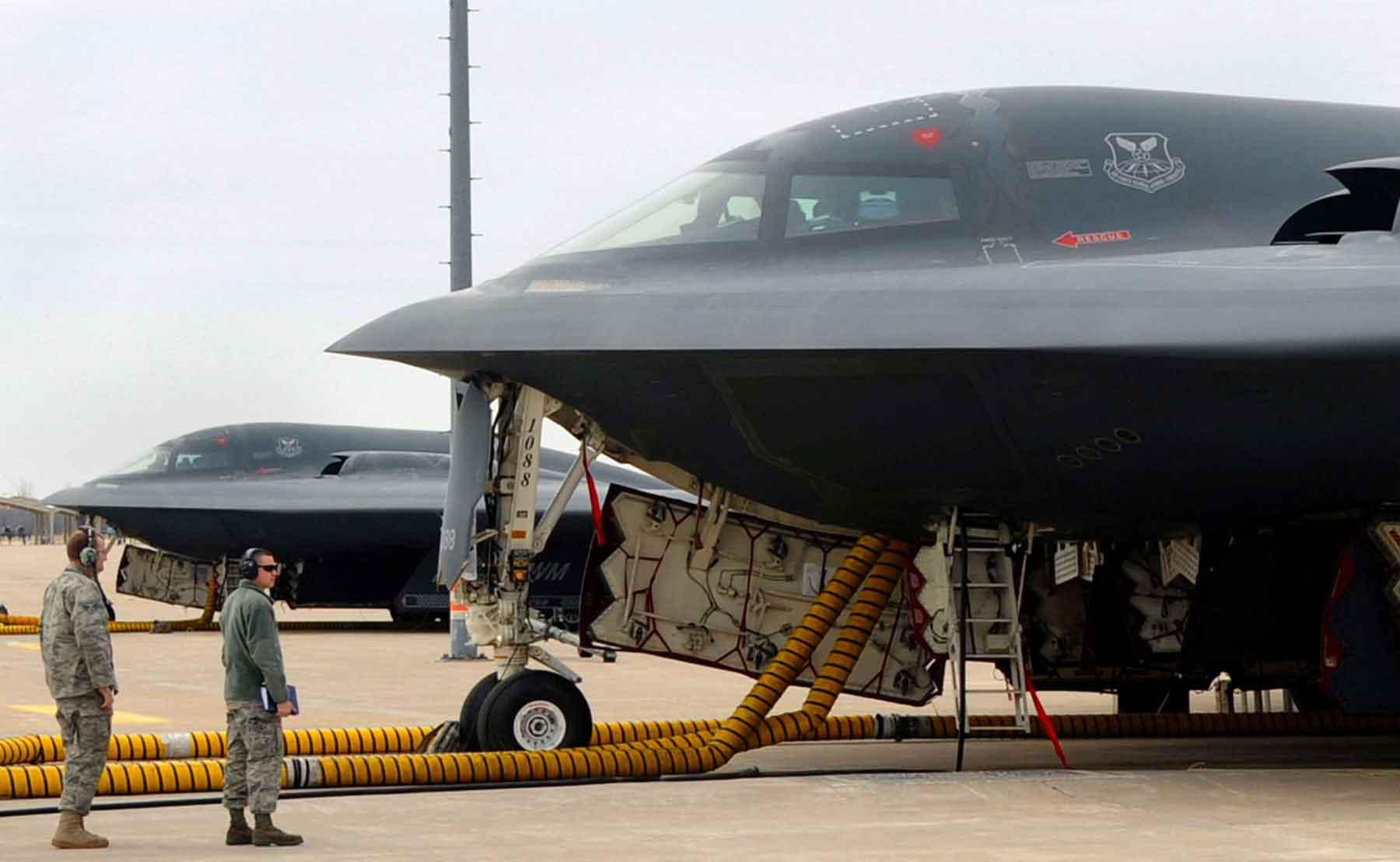
A return to negotiations or open confrontation?
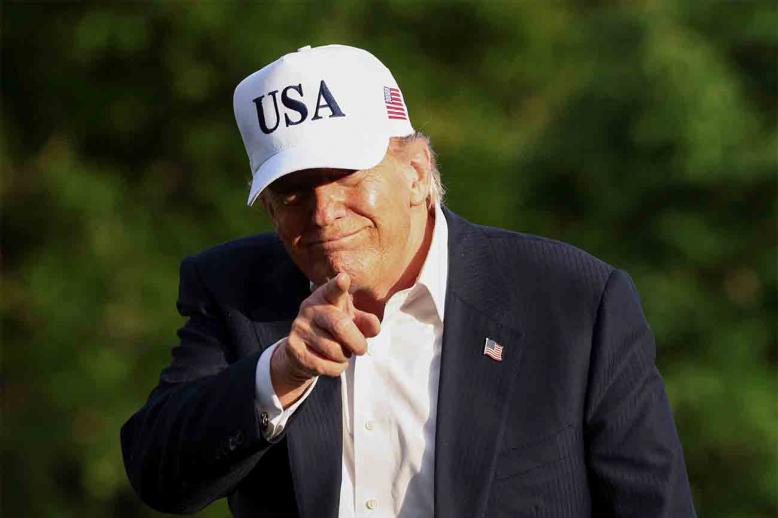
WASHINGTON / TEHRAN – US President Donald Trump issued a stark warning to Iran on Wednesday, urging Tehran to come to the negotiating table over its nuclear programme or face a military strike “far worse” than before.
“Hopefully Iran will quickly ‘Come to the Table’ and negotiate fair and equitable deal – NO NUCLEAR WEAPONS – one that is good for all parties. Time is running out, it is truly of the essence!” Trump wrote in a post on Truth Social.
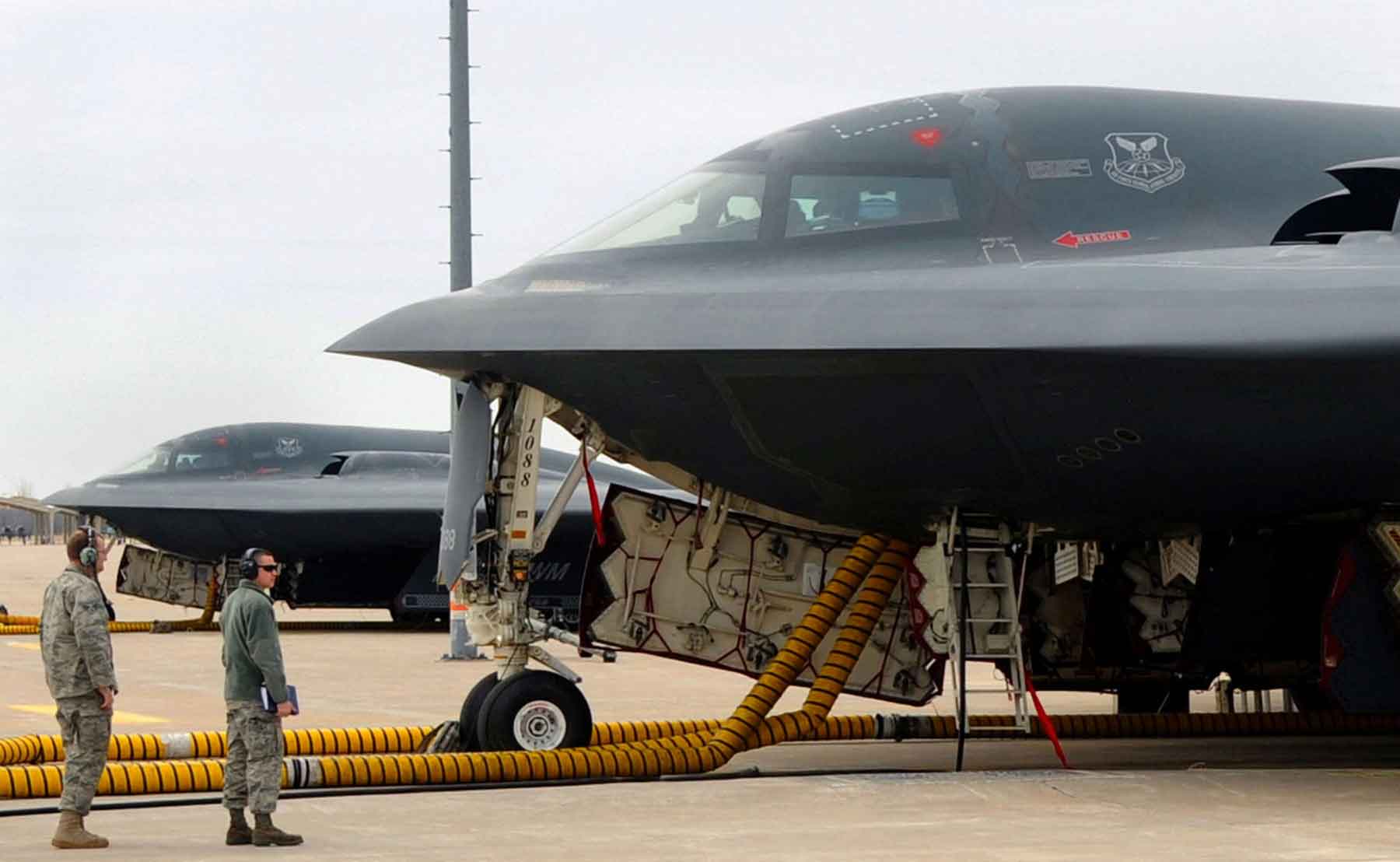
The Republican president, who withdrew the United States from the 2015 multilateral nuclear agreement during his first term, emphasised that his previous warning to Iran had been followed by a military strike. “The next attack will be far worse! Don’t make that happen again,” he added, also noting that another “armada” is en route toward Iran.
Trump’s comments came amid mounting violence inside Iran, where a wave of protests that began in late December has intensified.
The US-based Human Rights Activists News Agency (HRANA) confirmed that at least 6,221 people have been killed, including 5,856 protesters, 100 minors, 214 members of the security forces, and 49 bystanders. HRANA added that investigations are ongoing into another 17,091 possible fatalities, while more than 42,000 people have been arrested.
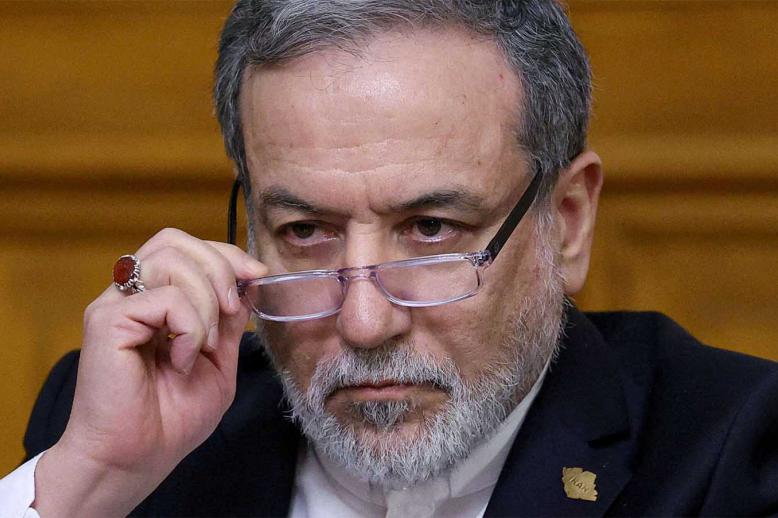
In response to Trump’s threats and US military presence, Iranian Foreign Minister Abbas Araghchi rejected the notion of negotiating under duress.
“Conducting diplomacy through military threat cannot be effective or useful,” he said.
“If they want negotiations to take shape, they must certainly set aside threats, excessive demands and raising illogical issues.” Araghchi confirmed that he had had “no contact” with US Middle East envoy Steve Witkoff and that “Iran has not sought negotiations.”
Meanwhile, Iran has been reaching out to Arab states allied with Washington in an attempt to shore up diplomatic support. Following a call on Tuesday between Iranian President Masoud Pezeshkian and de facto Saudi leader Crown Prince Mohammed bin Salman, Iran engaged in further talks with Qatar and Egypt.
Iran’s Secretary of the Supreme National Security Council, Ali Larijani, spoke with Qatari Prime Minister Sheikh Mohammed bin Abdulrahman Al Thani. The Qatari foreign ministry emphasised support for “all efforts aimed at reducing escalation and achieving peaceful solutions in a manner that enhances security and stability in the region.”
Egyptian Foreign Minister Badr Abdelatty held separate calls with both Araghchi and Witkoff, stressing the need to “ease tensions and work towards deescalation” and to create “the necessary conditions to resume dialogue between the US and Iran.”
The heightened tensions coincide with the arrival of a US naval strike group led by the aircraft carrier USS Abraham Lincoln in Middle Eastern waters. US Central Command confirmed its presence without specifying the exact location.
Analysts have suggested that potential US options could include targeted strikes on military facilities or leadership figures under Ayatollah Ali Khamenei as part of a broader effort to destabilise the Iranian regime if diplomacy fails.
In Tehran, new billboards depicting Iran striking an American aircraft carrier, along with slogans denouncing the US and affirming loyalty to Supreme Leader Khamenei, have appeared in public spaces, further intensifying nationalist messaging.
Amid the crackdown, the Iranian judiciary executed a man arrested in April 2025 on charges of spying for Israel’s Mossad.
Rights groups reported that 12 others had been hanged on similar charges following Israel’s 12-day war with Iran in June, and warned that detainees from the recent protests could face capital punishment.
HRANA highlighted continued raids on hospitals treating protesters, arrests of doctors, and “forced confessions” broadcast on state television, warning that these actions “highlight new dimensions of the continued security crackdown in the aftermath of the protests.”
As the standoff escalates, Trump’s administration appears to be signalling a dual-track approach of high-pressure diplomacy and military readiness, while Tehran continues to consolidate domestic control and seek regional backing.
The coming days may determine whether the United States and Iran return to negotiations or move closer to open confrontation, with the wider Middle East once again on edge.