

France's U-turn is removing a major obstacle in labeling the IRGC a terrorist entity
EU set to designate Iran's Revolutionary Guard as terrorist entity
French FM says France will support the designation of the Islamic Revolutionary Guard Corps on the EU's list of terrorist organisations.
Thursday 29/01/2026
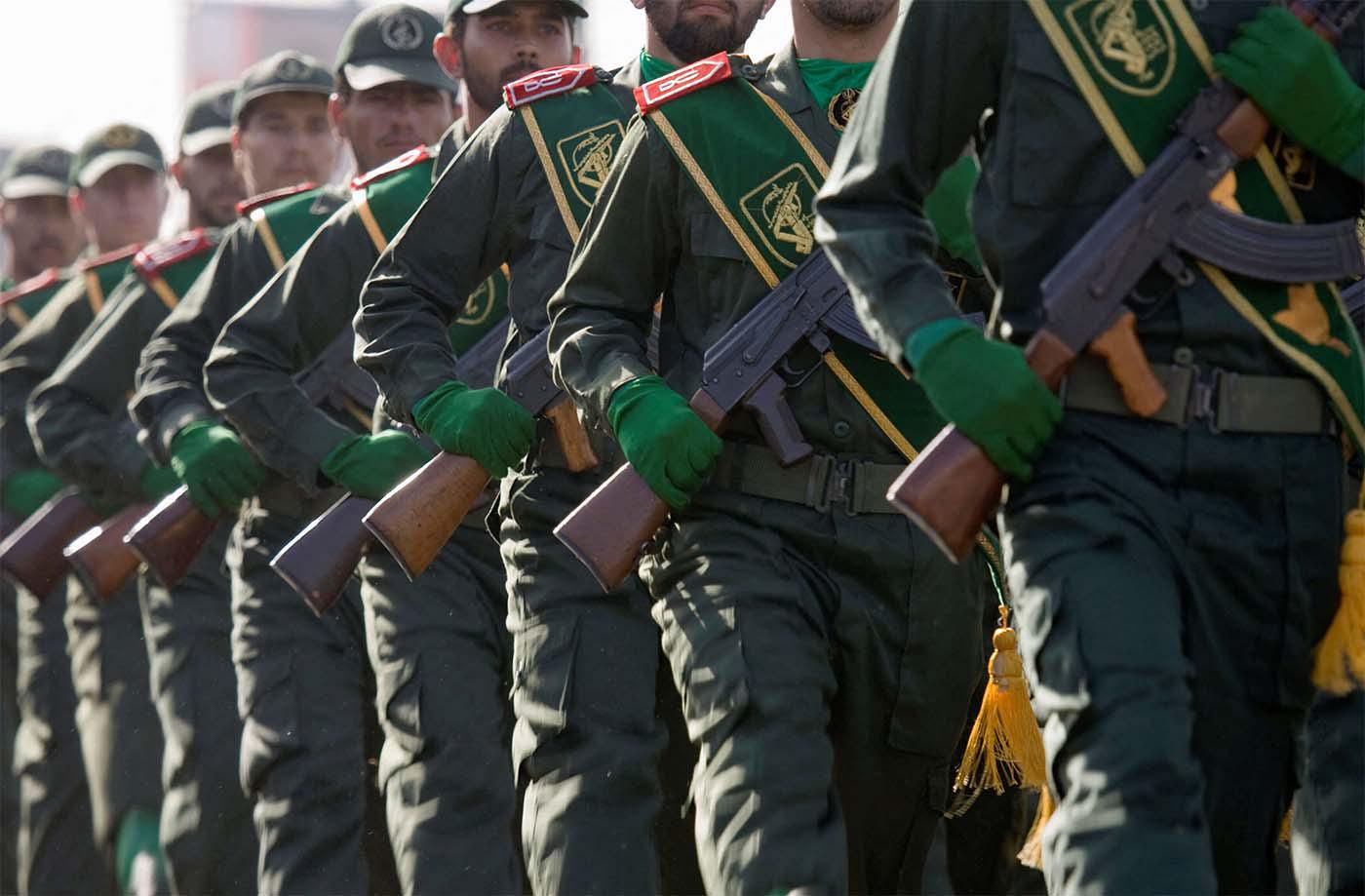
France's U-turn is removing a major obstacle in labeling the IRGC a terrorist entity
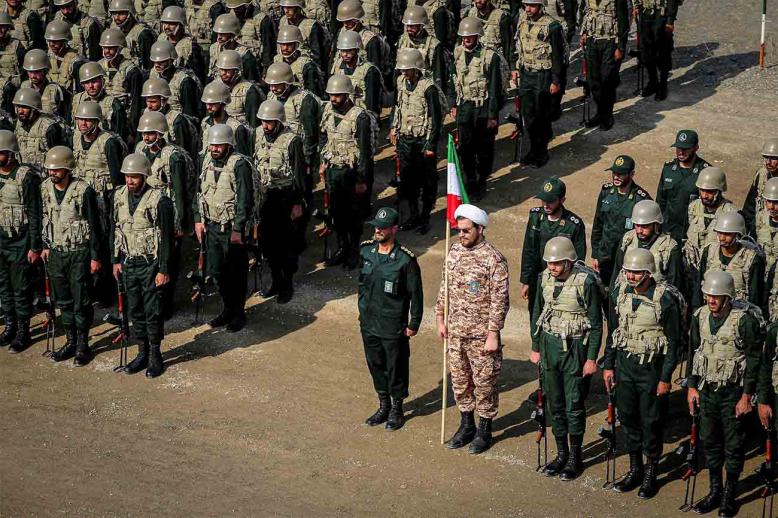
BRUSSELS - The European Union is poised to designate Iran's Islamic Revolutionary Guard Corps (IRGC) as a terrorist organisation, following a significant policy shift by France, which has thrown its support behind the move.
This move could mark a major escalation in the EU's stance toward Iran and align the bloc more closely with designations already in place by the United States, Canada, and Australia.
French Foreign Minister Jean-Noel Barrot announced the change on X, saying that “France will support the designation of the Islamic Revolutionary Guard Corps on the European Union's list of terrorist organisations.”
He cited the “unbearable repression of the peaceful uprising of the Iranian people” and emphasized that such actions “cannot go unanswered,” referencing the regime's violent crackdown on protests that has resulted in thousands of deaths and arrests.
This represents a reversal for France, which had previously hesitated due to concerns that blacklisting the IRGC could sever diplomatic ties with Tehran and complicate ongoing negotiations or relations.
Until recently, France - along with a few other member states like Spain and Italy - had been among the holdouts blocking unanimous EU agreement, a requirement for additions to the bloc's terrorist list.
The shift comes amid broader momentum from Italy, Spain and Germany as with these changes, the path appears clear for approval.
EU foreign ministers were set to meet in Brussels on Thursday where they were expected to give the political green light to the designation and related sanctions.
What the Designation Would Mean
Adding the IRGC to the EU's terrorist list would impose severe restrictions, including asset freezes on IRGC-linked entities and individuals within EU jurisdiction, travel bans prohibiting IRGC members from entering European territory and a prohibition on providing funds or economic resources to listed entities.
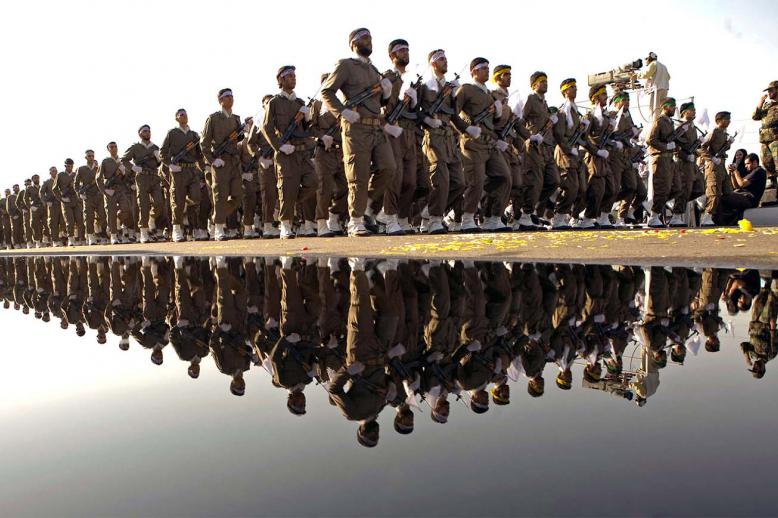
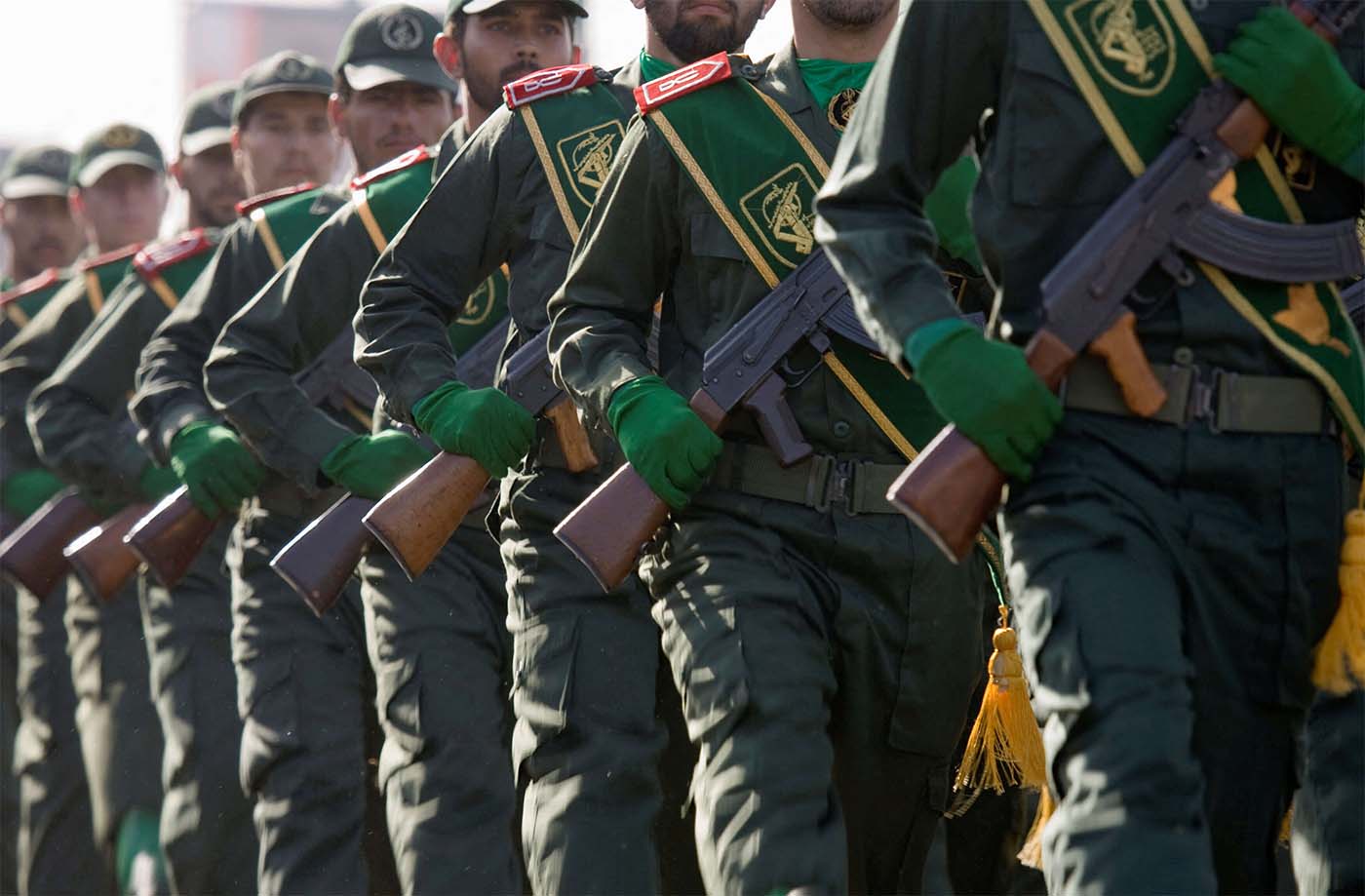
The IRGC, Iran's elite military force established after the 1979 Islamic Revolution, plays a central role in the country's security apparatus, regional proxy operations, and ballistic missile program.
It has been accused of orchestrating domestic repression, supporting groups like Hezbollah, Hamas, and the Houthis, supplying drones to Russia for use in Ukraine, and launching attacks on Israel. The force has also been linked to plots targeting dissidents and critics on European soil.
The United States designated the IRGC as a Foreign Terrorist Organization in 2019, a move that has isolated it further internationally. The EU has long maintained targeted sanctions on individual IRGC members for human rights violations but stopped short of a full organizational listing - until now.
Background and implications
The push has gained traction following years of European Parliament resolutions, public pressure from allies, and Iran's ongoing actions - including its crackdown on protests sparked by events like the death of Mahsa Amini, support for Russia's war efforts, and regional escalations.
While the designation is largely symbolic in some respects - as the EU already sanctions many IRGC figures individually - it would send a strong unified message from the 27-member bloc. It could complicate any revival of nuclear talks with Iran and heighten tensions, but proponents argue it is a necessary response to the IRGC's role in terrorism, repression, and threats to European security.