


Accused of straining Arab-Kurdish relations
Erbil halts broadcast of foreign, Arab channels citing social cohesion
The move has reopened debate over the limits of media freedom in the region and the delicate balance between maintaining social stability and upholding media pluralism.
Thursday 29/01/2026
Accused of straining Arab-Kurdish relations
ERBIL – Authorities in Iraq’s Kurdistan Region have ordered local television platforms to suspend the broadcast of several foreign and Arab satellite channels, citing the need to safeguard social cohesion and prevent what they described as incitement and the spread of disorder within the semi-autonomous region.
The move, announced by the Kurdistan Regional Government’s Ministry of Culture and Youth, has reopened debate over the limits of media freedom in the region and the delicate balance between maintaining social stability and upholding media pluralism.
The Kurdistan Region is ethnically and religiously diverse, and officials argue that divisive or polarising media narratives could carry serious repercussions for internal stability, a risk the regional authorities say they are keen to avert in the interest of national unity.
In an official statement issued on Wednesday, the ministry said it had instructed local broadcast companies and television platforms to remove a number of channels from their packages, following an assessment of media content deemed to be in breach of professional and regulatory standards in force in the region.
The ministry said some foreign and Arab channels were airing material that “undermines social peace and negatively affects societal stability,” and called on platforms including United MixMedia, Live Dream, Family Box and Najmat al-Aalam to comply immediately with the decision.
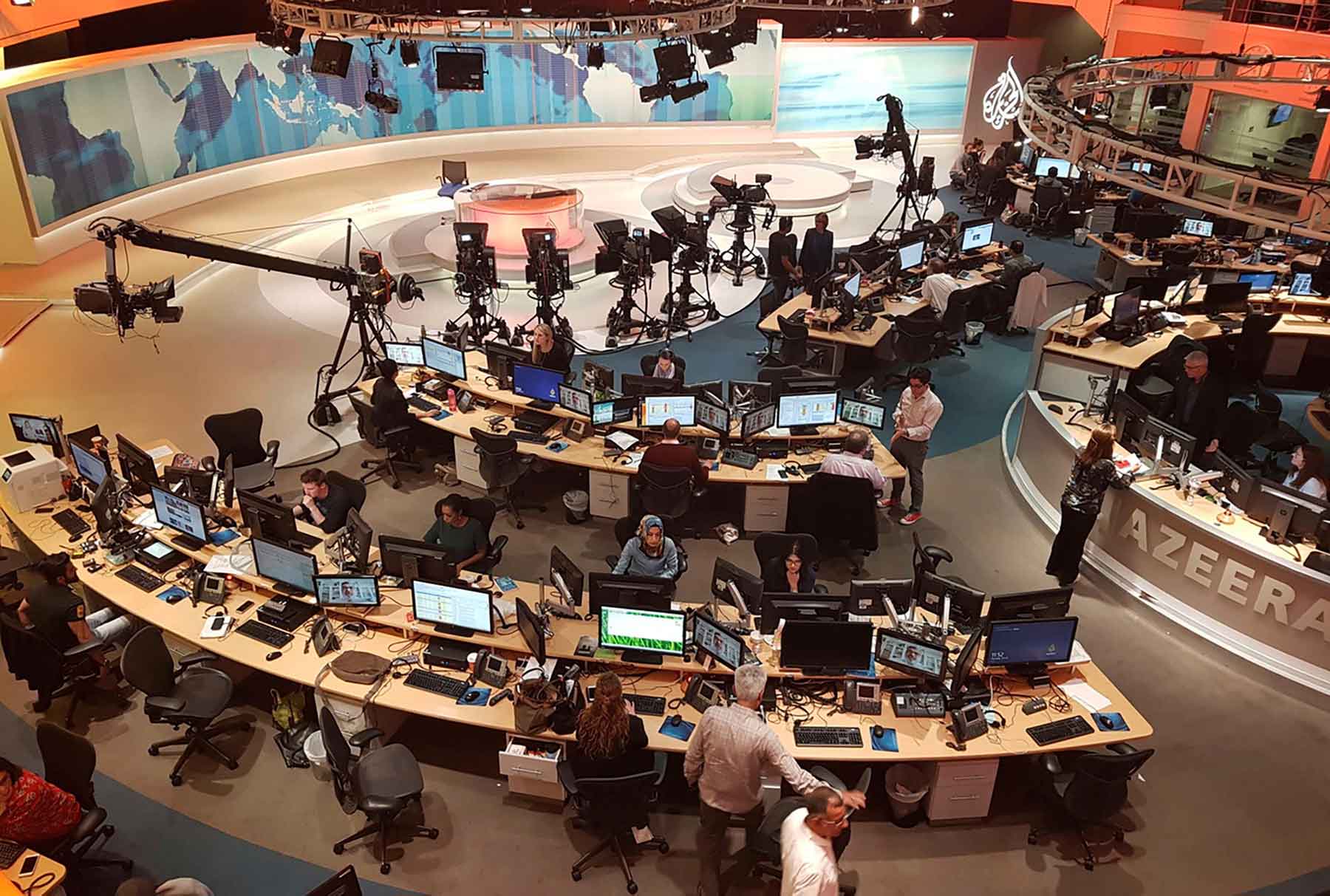
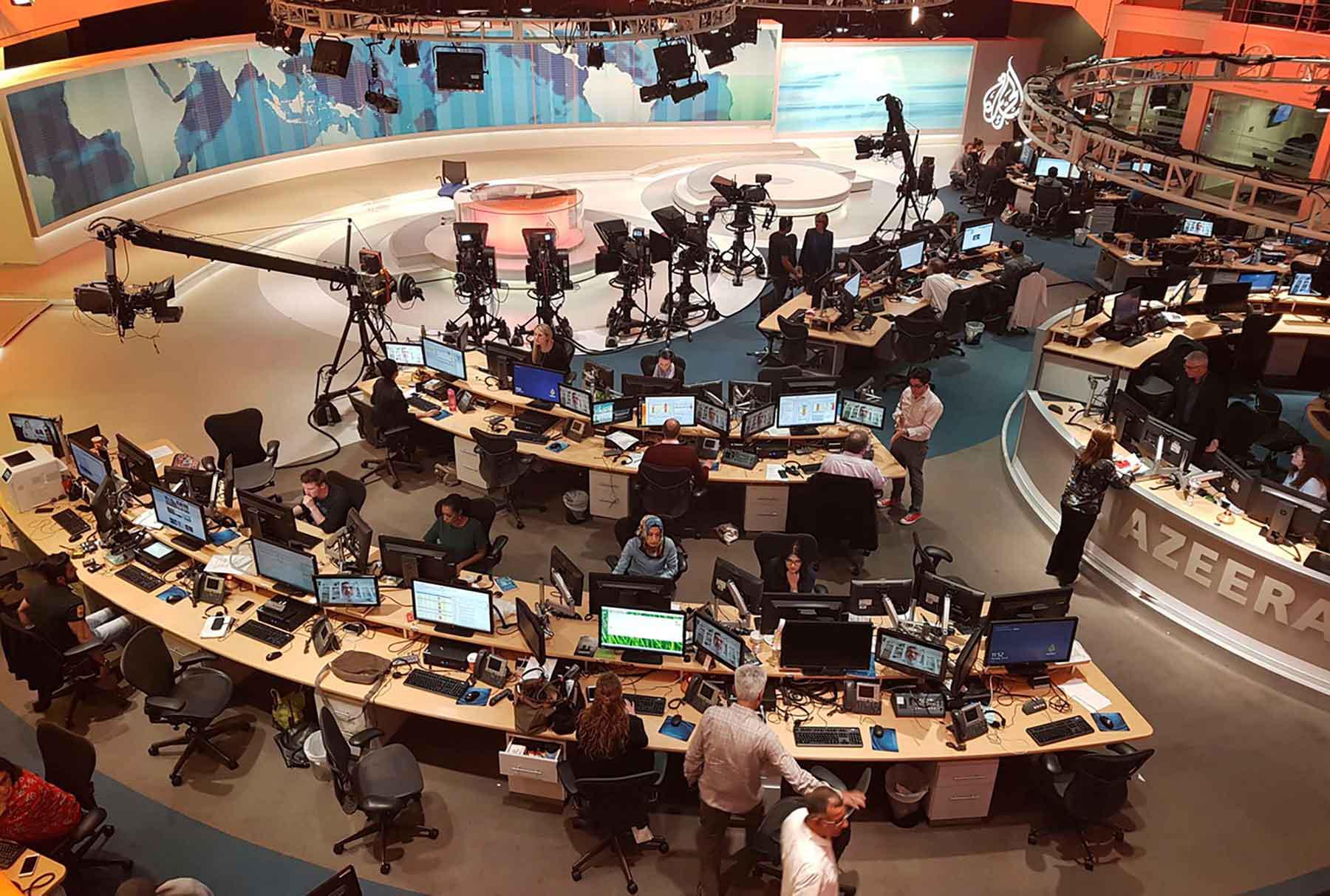
While the statement did not name the channels targeted by the order, informed sources said Al Jazeera, Al Arabiya and Al Hadath were among those most likely to be affected, amid controversy over their coverage of recent regional developments, particularly the situation in neighbouring Syria.
According to the sources, the decision may signal a shift in the Kurdistan Regional Government’s relationship with some widely watched Arab media outlets whose editorial positions are seen by Kurdish officials as potentially disruptive to social cohesion in the region.
Local media reported that the move was prompted by coverage of recent political and security developments in Syria, alongside commentary and analysis that authorities believe has contributed to deepening divisions and straining Arab-Kurdish relations within the Kurdistan Region.
Observers say the government is seeking to regulate media discourse and prevent regional tensions from spilling over into the Kurdish interior, especially at a time of heightened sensitivity and political uncertainty across the wider region.
The decision followed an earlier step by Mix Media, which on January 27 announced it had suspended the broadcast of Al Jazeera, Al Arabiya and Al Hadath. The company said the channels had disseminated what it described as misleading information and pursued broadcasting policies that did not align with the interests of the Kurdistan Region.
That move fuelled speculation of prior coordination between regional authorities and local broadcast providers, although no official confirmation has been given.