

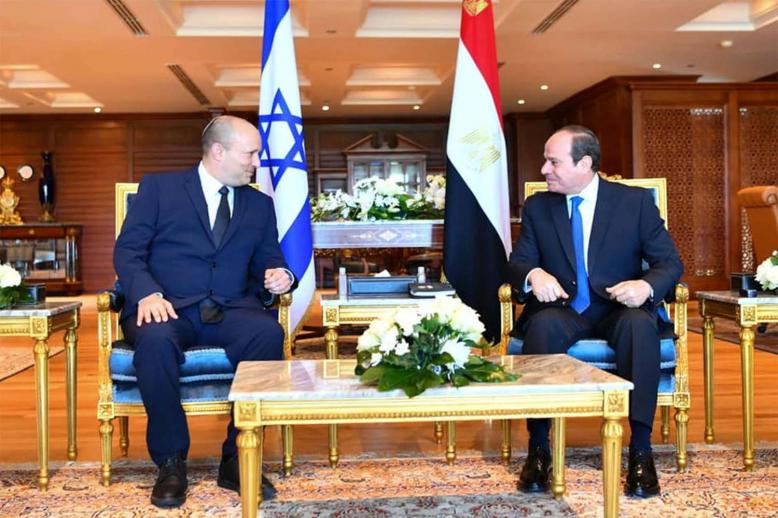
Certain Egyptian actions in Sinai have received prior Israeli approval
Israeli insider details hidden security channel with Egypt
Hacham stressed that the 1979 peace treaty remains a cornerstone of Israel’s strategic outlook, even if it has been characterised as a “cold peace” occasionally punctuated by tension.
Thursday 29/01/2026
Certain Egyptian actions in Sinai have received prior Israeli approval
JERUSALEM – Israeli media reports revealed new details about covert security communications between Egyptian and Israeli officials, highlighting the delicate balance underpinning their relations amid heightened regional tensions and the ongoing repercussions of the Gaza war.
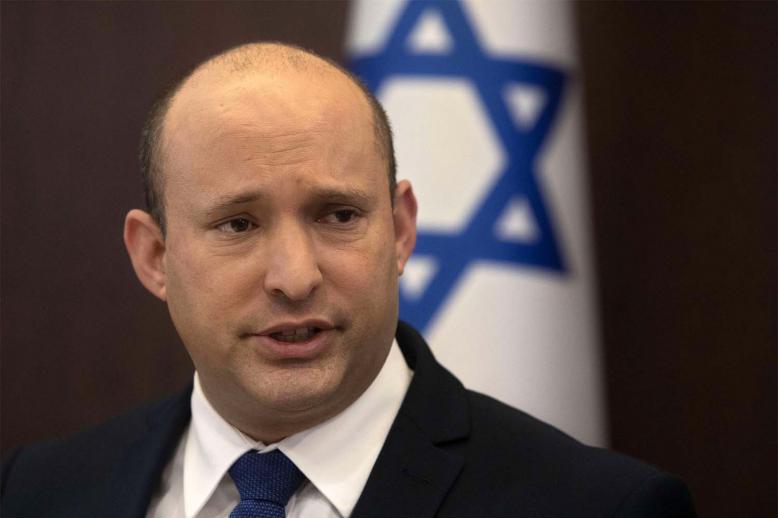
Channel 7 reported that retired Colonel David Hacham, who previously served as an adviser to multiple Israeli defence ministers, confirmed the existence of a secret and continuous security dialogue between Tel Aviv and Cairo that operates well beyond conventional diplomatic channels.
In an interview cited by the channel, Hacham described the Israeli approach to Egypt as “a mix of respect and suspicion,” noting that this careful balance forms the central theme of his forthcoming book, “Egypt First and Always,” which draws on decades of professional and personal interactions with senior Egyptian security officials.
Hacham stressed that the 1979 peace treaty remains a cornerstone of Israel’s strategic outlook, even if it has been characterised as a “cold peace” occasionally punctuated by tension. Maintaining the treaty in its current form, he argued, safeguards the vital interests of both nations and prevents the slide into open conflict in a highly volatile region.
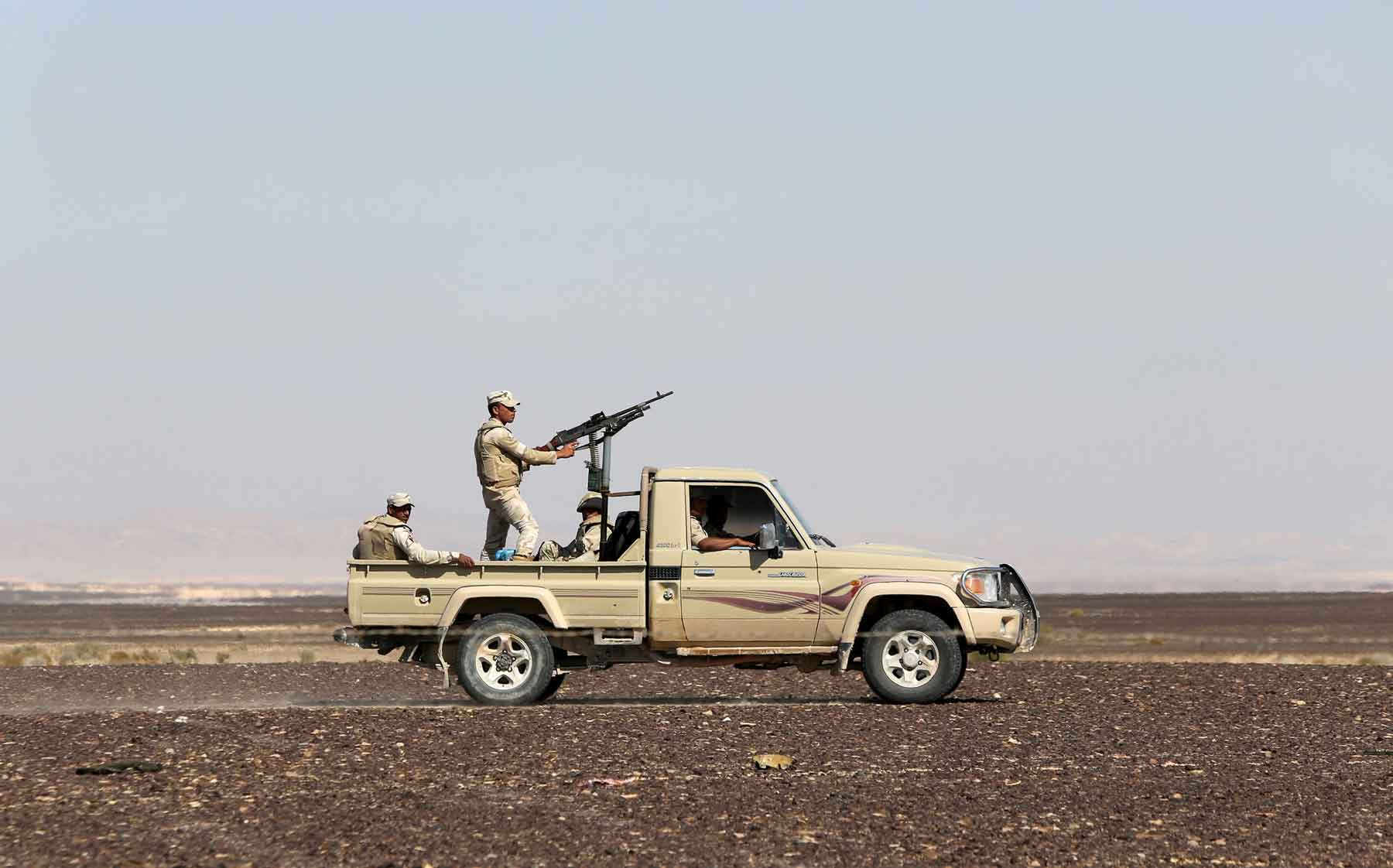
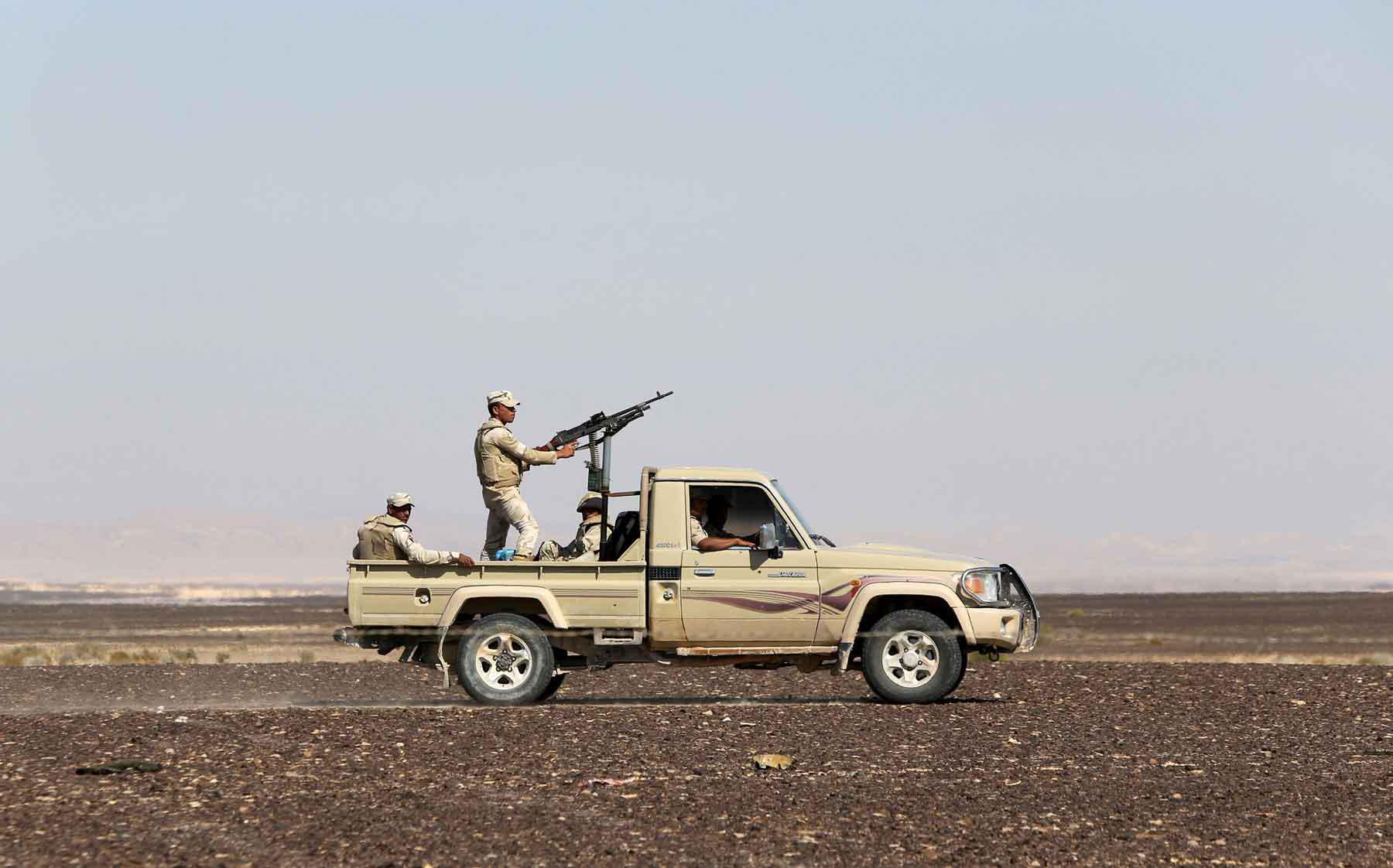
The retired officer also addressed security arrangements in the Sinai Peninsula, suggesting that the Egyptian military has deployed forces and equipment that technically exceed treaty limits, including tanks, missiles, and aircraft. Israeli security services, he said, are fully aware of these movements, which are routinely discussed in closed-door meetings with Egyptian counterparts.
Channel 7 added that these communications are not exclusively bilateral; the United States sometimes mediates, leveraging its significant influence over Cairo, particularly through annual military aid amounting to roughly $1.3 billion. Analysts note that the American role acts as a stabilising factor, helping to manage disputes and prevent escalation.
Hacham highlighted that Israel’s approach is to enforce compliance while remaining flexible to avoid confrontation. In some cases, protests through these secret channels have led to Egyptian pullbacks or reductions in military presence. Conversely, certain Egyptian actions in Sinai, such as reinforcing border guards or conducting anti-ISIS operations, have received prior Israeli approval, even when they appear to contravene the treaty’s written terms.
Strategically, Hacham downplayed the likelihood of an Egyptian military confrontation with Israel, stating that Cairo sees war as an unrealistic option. Nonetheless, he urged caution in making such assessments, citing past Israeli intelligence failures, including the unexpected October 7, 2023, attack.
Hacham also discussed the bilateral gas export agreement, describing it as a critical stabilising mechanism. He argued that the deal intertwines the nations’ economic interests, making a sharp strategic shift against Israel highly costly for Egypt, despite efforts to downplay the agreement publicly.
Overall, he concluded that the combination of covert security coordination and intertwined economic interests acts as a safeguard for the Israel-Egypt relationship, providing a stabilising buffer in an exceptionally complex regional environment.