

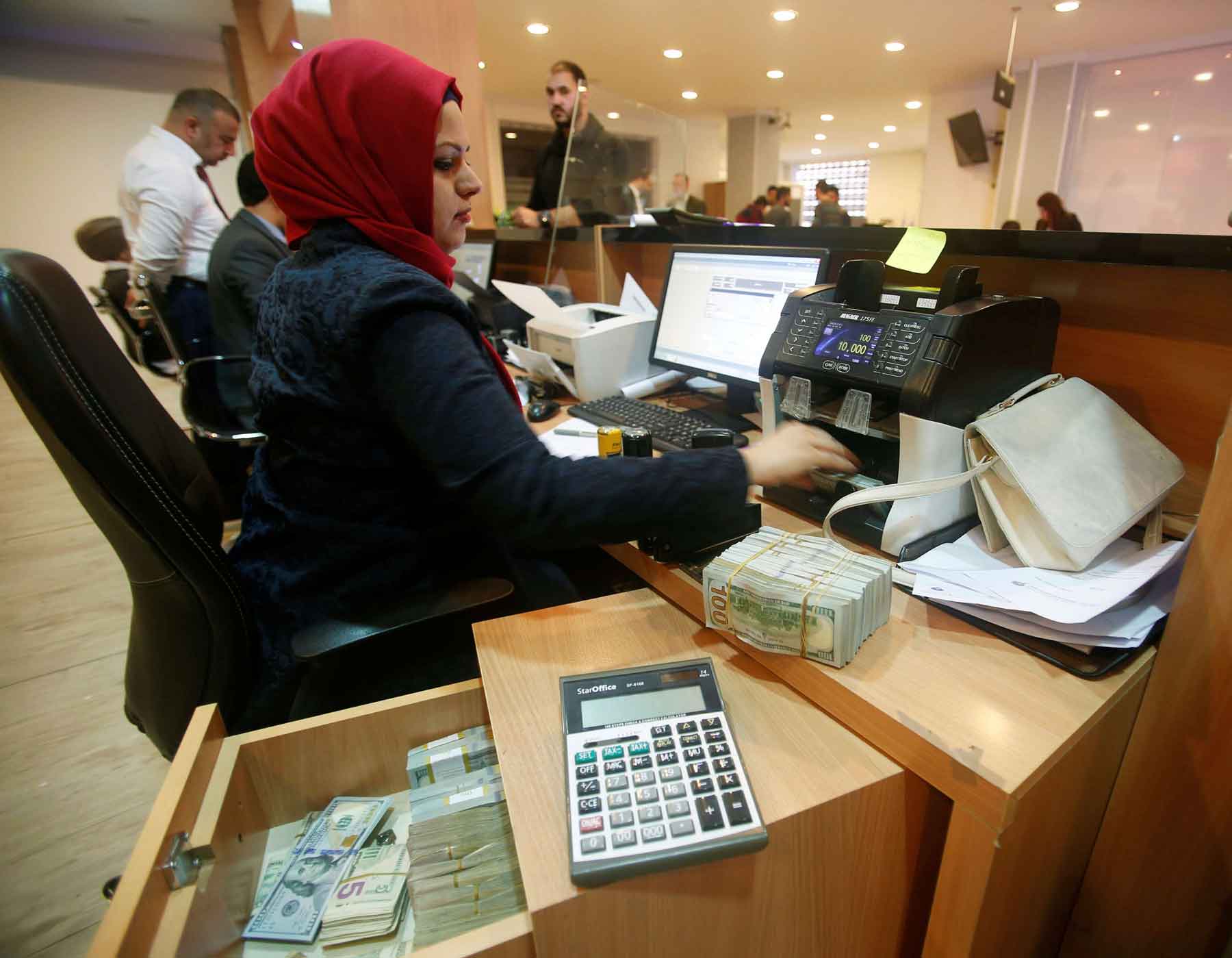
Iraq’s most sensitive issue, affecting over four million employees
Delayed salaries loom as Iraq faces liquidity crunch
The payroll burden has surged over the past decade, consuming the bulk of the state budget, while Iraq continues to seek economic diversification.
Thursday 29/01/2026
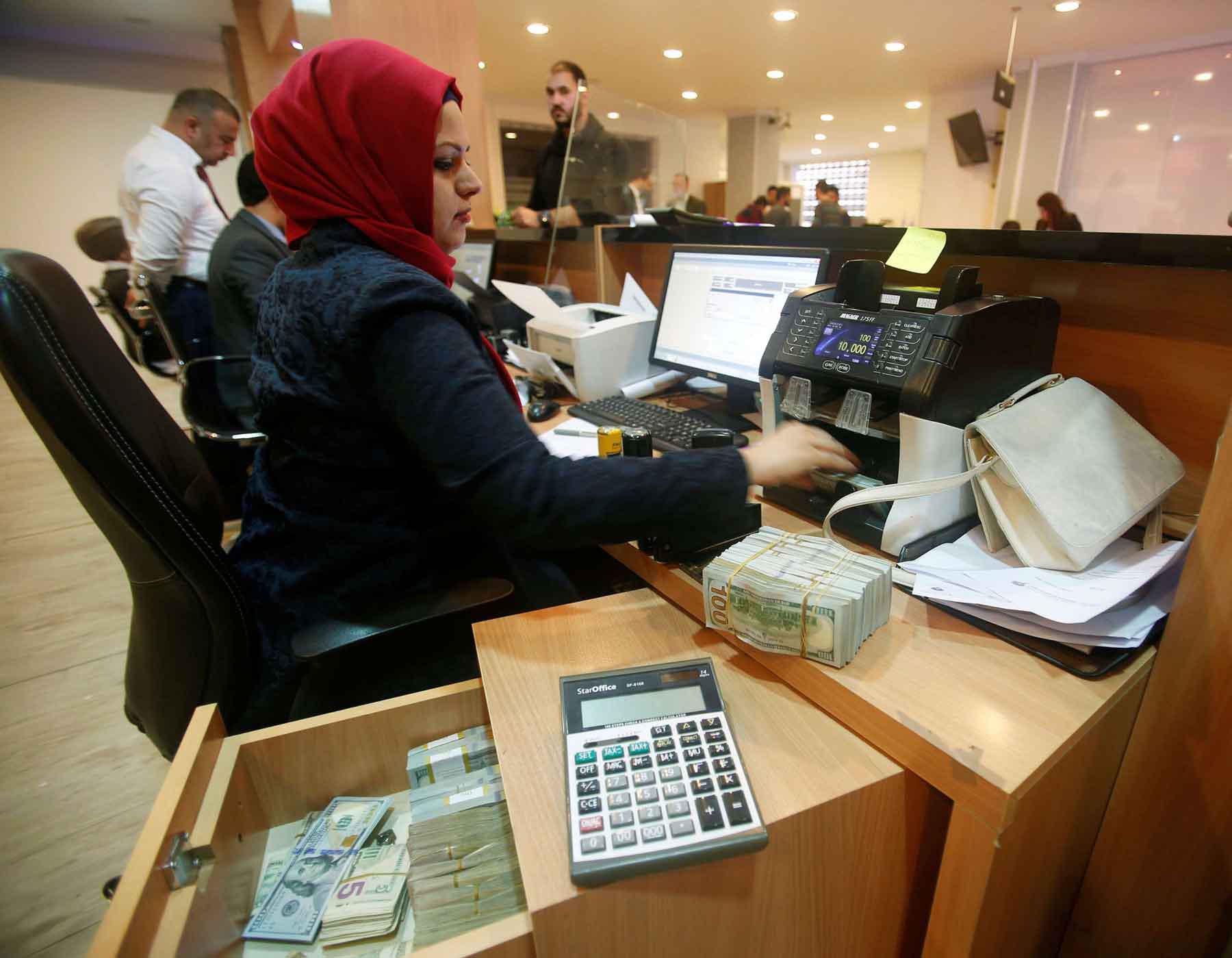
Iraq’s most sensitive issue, affecting over four million employees
BAGHDAD – The Iraqi capital and provinces are gripped by mounting public anxiety amid early signs of a severe cash liquidity crisis, casting a shadow over the payment of public sector salaries, the lifeblood of the country’s fragile economy. The emerging financial strain comes at a politically sensitive moment, with the formation of a new government still stalled, leaving critical legal powers to manage the fiscal deficit and external obligations in limbo.
As the month draws to a close, millions of state employees remain in limbo, awaiting salaries that are typically disbursed between the 20th and 25th of each month. This delay has sparked debate among economists over the state’s capacity to manoeuvre in the absence of a fully empowered government.
Economic expert Nabil al-Marsoumi told Kurdish news outlet Shafaq News that Iraq’s caretaker government lacks the authority to borrow extensively from state banks. “Political deadlock, compounded by international pressures, has stalled approval of the 2026 budget, plunging the country into financial uncertainty,” he said.
Marsoumi also cautioned that reliance on oil revenues, currently around $70 per barrel, is risky, noting that price increases are temporary and tied to geopolitical tensions, while actual revenues may take up to two months to materialise, leaving a critical funding gap.
Meanwhile, Mazhar Mohammed Saleh, adviser to the Prime Minister, pointed to Article 29 of Law No. 6 of 2019, which allows limited short-term internal borrowing strictly for essential government expenses, including salaries, social welfare and pensions.
The repercussions of the crisis extend beyond finance, with potential social and security consequences. Experts warn that delays in salary payments could erode public trust in the state, spark popular protests and stall new government projects as expenditure remains focused on wages.
Continued reliance on temporary fixes and advances from the treasury could deplete the reserves of state banks, highlighting the urgent need for a political solution to the liquidity problem.
Salaries are Iraq’s most sensitive issue, affecting over four million employees, as well as pensioners and social welfare recipients, bringing the total number of people dependent on the public treasury to roughly nine million. Over 90 percent of wage budgets rely on oil revenues. Any fluctuations in global oil prices or delays in dollar transfers directly strain the dinar’s liquidity.
The payroll burden has surged over the past decade, consuming the bulk of the state budget and crowding out investment projects, while Iraq continues to seek economic diversification and foreign investment.
The Iraqi market is heavily dependent on the purchasing power of public employees. Delays in payments could stall commerce, prompt citizens to convert dinars into dollars, and exert pressure on exchange rates.
In short, Iraq’s challenge is less about a lack of money and more about a liquidity management crisis and legal access to funds amid political deadlock.
While salaries are ultimately expected to be paid through internal borrowing, continuing this approach risks exhausting the banking system’s reserves and underscores the pressing need for both political resolution and fiscal reform.