
To what extent is the Muslim Brotherhood linked to Saudi decision-making?
The influence of the Muslim Brotherhood on Saudi decision-making: "Between two eras" (Part 1)
In the era of King Abdullah, the influence of the Muslim Brotherhood receded both inside and outside Saudi Arabia. However, in the era of King Salman and Crown Prince Mohammed bin Salman, their role has resurged, and their influence on decision-making has doubled significantly compared to the previous era.
Friday 30/01/2026
To what extent is the Muslim Brotherhood linked to Saudi decision-making?
The relationship between political Islamist groups - both the "Brotherhood" and "Salafi" branches - and the Kingdom of Saudi Arabia has remained a great and perplexing puzzle, whether direct or indirect. While their influence rises at times, it recedes at others.
According to the data, this variation is due to several factors, including: the personality of the ruler, the orientation of the prevailing religious current, and other factors that caused the influence curve to fluctuate between "extinction and emergence."
The level of influence held by Islamist currents over Saudi decision-making was very low during the reign of King Abdullah bin Abdulaziz, who engaged in an intense and open struggle with them, eventually leading Saudi Arabia to designate the Muslim Brotherhood as a terrorist organization.
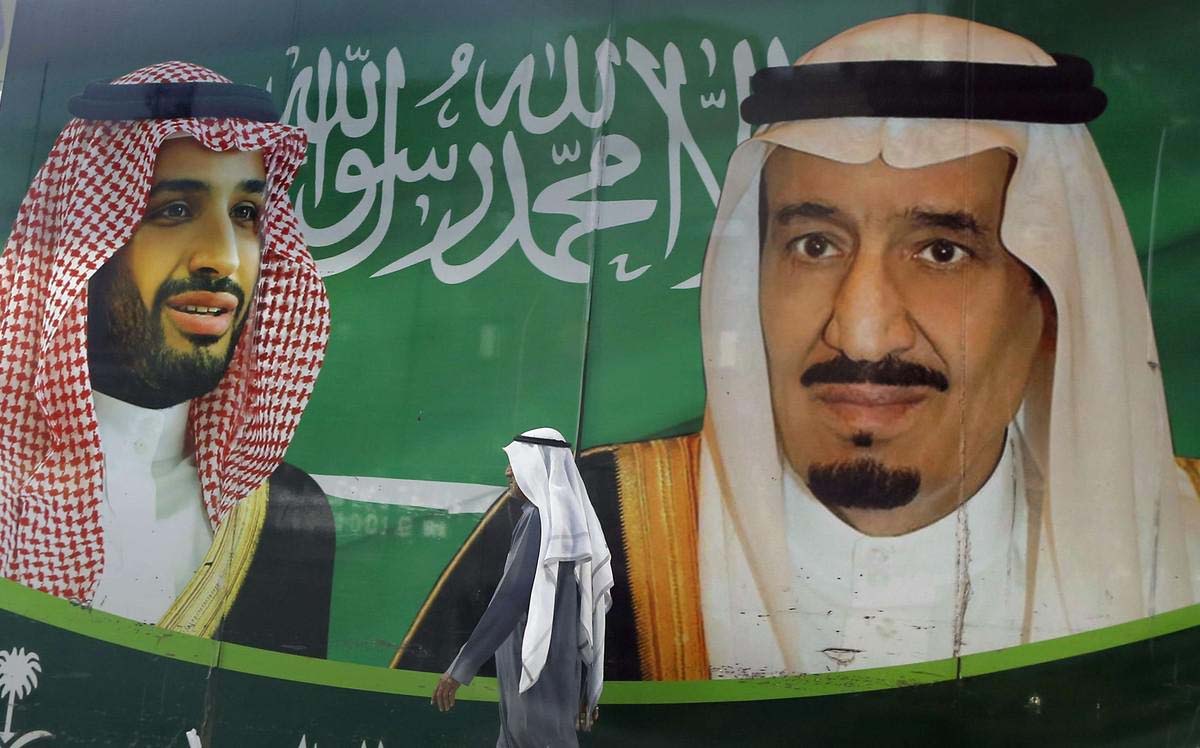
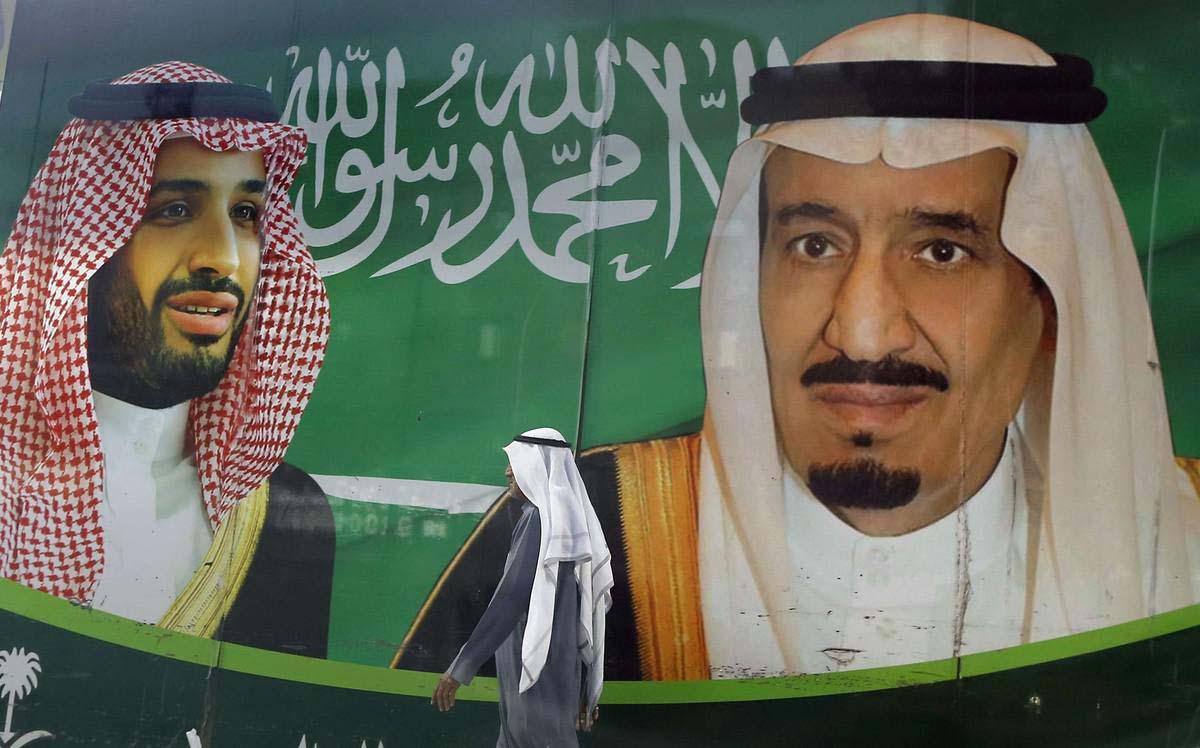
However, after the death of King Abdullah and King Salman’s accession to the throne, the Muslim Brotherhood breathed a sigh of relief. King Salman and his Crown Prince established a new arrangement and were keen to maintain a relationship described as "flexible." This resulted in a notable rise in the relationship curve and their influence within Saudi Arabia and at the decision-making level.
This was also the case on the regional level, particularly regarding the Syrian and Yemeni files. This bewildered observers and researchers, reaching the point of contradiction, leading some to describe the Kingdom’s policy toward the Muslim Brotherhood as "confused and contradictory."
Within a short period of no more than three years, a royal decree was issued classifying the Muslim Brotherhood in Yemen as a prohibited terrorist group. The decree listed the first and second-tier leaders of the Al-Islah Party (the Brotherhood’s branch in Yemen) by name and title on a long list. This included banning leading figures from entering Saudi territory and ordering those already inside the Kingdom to leave immediately within a specified period.
Then, after a year or less, observers and media personnel were surprised by the emergence of arrangements or trends suggesting the opposite. What is striking is that these shifts occurred without the issuance of a public decree or royal announcement overturning the previous one. According to observers, this suggests the existence of an extended internal relationship with the Saudi Muslim Brotherhood and the leadership of the Brotherhood in Yemen, represented by the Al-Islah Party.
Observers of Saudi affairs suggested that these decisions might have been "on paper" in some aspects, while the relationship remained active in secret, and that what was announced was merely to satisfy external parties.
Some saw this confusion as evidence of a "hidden secret beneath the surface," which we will discuss more deeply in a subsequent article to explore the depths of these secrets, their extent, and their internal and external causes.
If we move aside from the Brotherhood as an example, other Salafi movements come to mind that the Kingdom supported financially and morally for many years in various countries for sectarian and political goals—in addition to other jihadi movements that Saudi Arabia was involved in supporting at times and fighting at others outside its borders.
But what about the Saudi interior?
This contradictory relationship, driven by immediate interests, resulted in general repercussions both internally and externally. These fluctuations lead us to several questions, including:
To what extent is the Muslim Brotherhood linked to Saudi decision-making?
What is the scale of their influence in shaping it?
As I mentioned previously, we will shed light on this more broadly and deeply in Part 2.
Conclusion
In the era of King Abdullah, the influence of the Muslim Brotherhood receded both inside and outside Saudi Arabia. However, in the era of King Salman and Crown Prince Mohammed bin Salman, their role has resurged, and their influence on decision-making has doubled significantly compared to the previous era.
To be continued...
The views and opinions expressed in this article are those of the author and do not necessarily reflect the position of Middle East Online