When power is divorced from accountability, violence ceases to be instrumental and becomes expressive
Sudan’s civil war is the normalization of atrocity
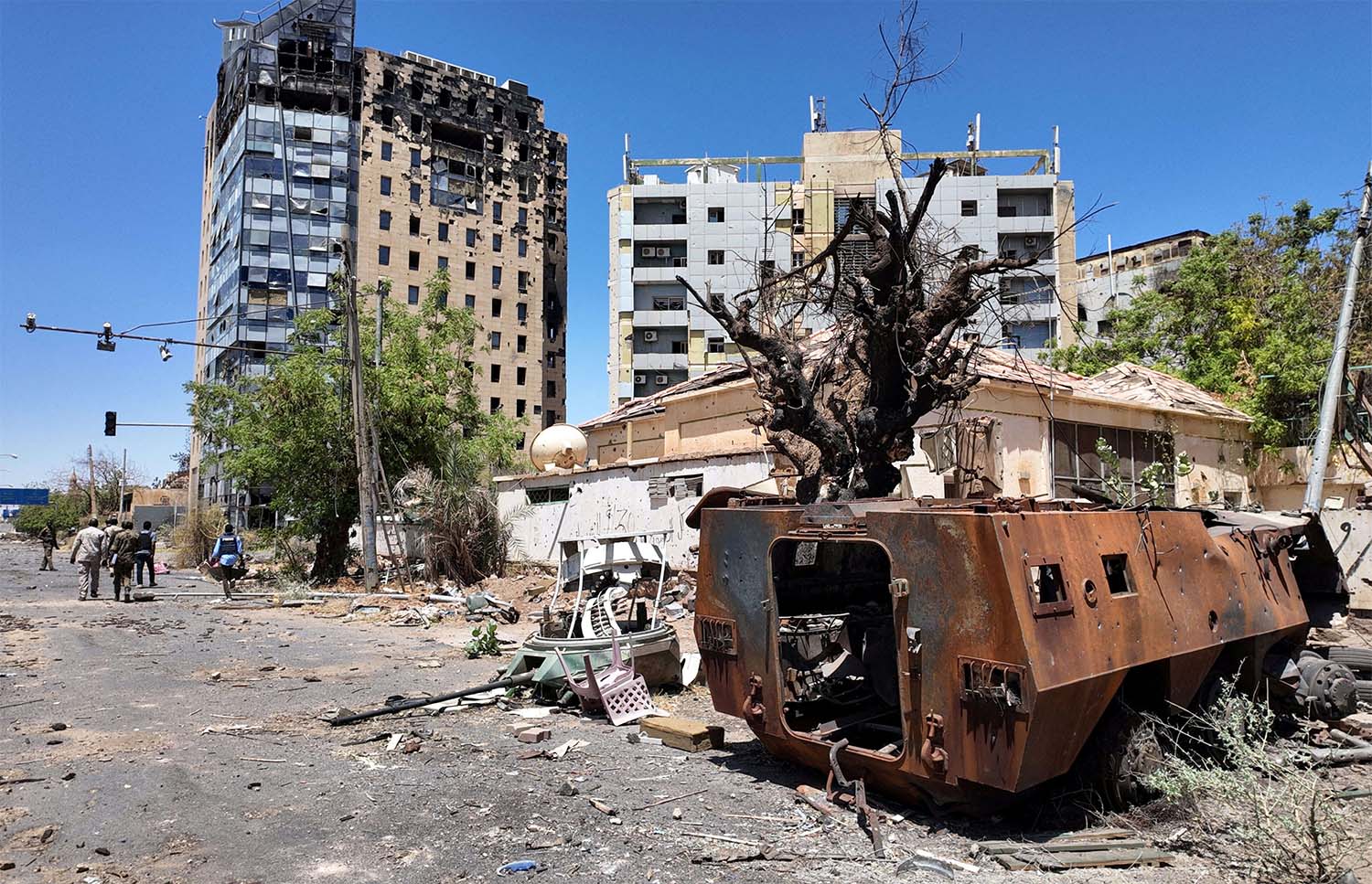
The horror of the Sudanese civil war is not exhausted by the enumeration of its atrocities, though those alone are staggering: mass killings, ethnic cleansing, systematic rape, the razing of villages, famine used as a weapon, and the deliberate destruction of the conditions of life.
Friday 30/01/2026
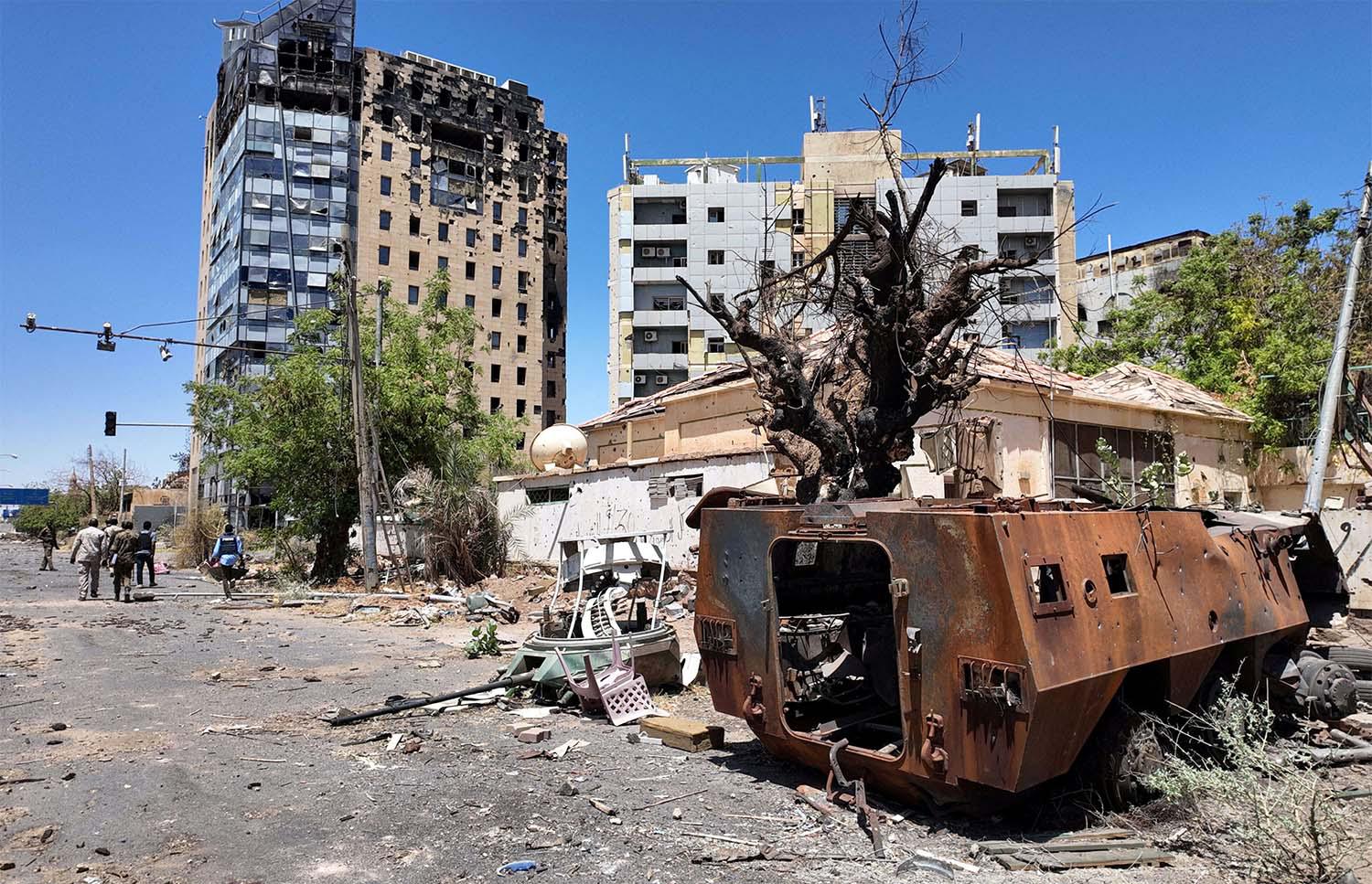
When power is divorced from accountability, violence ceases to be instrumental and becomes expressive
What distinguishes Sudan’s catastrophe—stretching from earlier civil wars through Darfur and into the present conflict between rival military powers—is not only the scale of suffering, but the way violence has become structural, embedded in the very organization of political power. The war is not merely a breakdown of order; it is the triumph of a particular conception of order itself.
At the center lies a grim philosophical insight: when power is divorced from accountability, violence ceases to be instrumental and becomes expressive. In Sudan, armed actors—whether state forces or militias—do not simply commit atrocities; they do so in pursuit of clear political ends.
Violence itself becomes the message
One of the central principles of just war theory is discrimination: combatants may be targeted; civilians must not. In Sudan, this distinction has broken down. Markets, funeral homes, hospitals, schools, and refugee camps—all civilian spaces—have been repeatedly attacked. Drone strikes on gatherings such as funerals and children in homes exemplify indiscriminate violence that fails to distinguish between combatant and non-combatant.
This moral and military failure signifies a war that treats human beings as interchangeable obstacles rather than as persons with intrinsic dignity. The burning of villages, the targeting of civilians, and the erasure of entire communities are not accidental excesses; they are ways of asserting dominance in a space where legitimacy no longer matters.
Starvation and the denial of humanitarian access become weapons to coerce compliance. The displacement of entire populations and casualty counts serve as justifications for further escalation.
The Moral Breakdown
This instrumental logic corrodes moral agency. The victims are no longer persons whose rights must be respected, but strategic variables in an intermittent game of gain and loss. Power announces itself through terror because terror is the only remaining currency. Instead of protecting civilians in Sudan, we witness an ethical inversion.
The very actors claiming to secure territorial or political ends are the ones perpetuating harm to the basic conditions of life—safety, nourishment, shelter, health, and growth. Extrajudicial killings, rape, and mass displacement are not accidental by-products. They are recurring, patterned actions in the conflict that signal the erosion of moral defense.
The Collapse of Distinction Between Means and Ends
This is why the Sudanese civil war resists comforting narratives of tragedy or misunderstanding. What we see instead is what Hannah Arendt once described as the collapse of the distinction between means and ends. The prospect of future peace no longer justifies killing; it is a political practice. The result is a form of nihilism that is not abstract in the academic sense, but brutally material—the reduction of human beings to obstacles, resources, or threats to be eliminated.
Nowhere was this clearer than in Darfur, where ethnic identity became a death sentence and entire populations were murdered. This marks the annihilation of the idea of a shared world, because recognizing another as human is to acknowledge that they have the right to inhabit the same moral space as oneself—that their suffering makes a claim on us.
Genocidal Violence
Genocidal violence, by contrast, is an attempt to erase that claim altogether. It is not simply murder; it is the denial that the victim ever counted as a bearer of meaning or value. The current phase of the war—marked by fighting between the Sudanese Armed Forces and the Rapid Support Forces—deepens this horror by exposing the emptiness at the heart of militarized sovereignty.
These factions represent rival monopolies on coercion. Civilians are crushed not because they stand in the way of a noble project, but because their lives are irrelevant to the calculus of power. This is domination stripped of even the pretense of ideology.
Where Do We Go from Here
Sudan poses a terrifying question: what remains of ethics when the political sphere becomes an arena of total irresponsibility? In such conditions, guilt is diffused, accountability evaporates, and atrocity becomes trite. Violence no longer shocks; it normalizes itself.
This is perhaps the most insidious horror of all—not that human beings are capable of cruelty, but that cruelty and violence can become routine, administered, and legitimized by identity, faction, or territory. Stories of atrocities are reported but often overshadowed by geopolitics. The innocent become instruments, not ends. This erosion represents not merely a policy failure, but a failure of moral responsibility — the inability to see “the other” as oneself.
Several countries that supply warring parties with killing machines are complicit in the calamitous war in Sudan. The SAF receives support from Iran, Egypt, and Russia, while the RSF is being armed primarily by the UAE; weapons manufactured in China, Russia, Turkey, and Serbia have been found in the country. Instead of arming the two factions, Turkey and the UAE should try to mediate between the warring parties and stop a genocidal war that neither side can win.
Short of that, it's time for the UNSC to adopt punitive actions against these countries, including: Expansion of the UN arms embargo with economic sanctions on violating states, firms, and individuals; Imposing secondary sanctions on banks, shippers, and logistics companies moving Sudan-bound arms; Using targeted asset freezes, travel bans, and ICC/UN investigations to raise legal and reputational costs for officials authorizing transfers; Launching coordinated sanctions, targeting companies and sovereign wealth funds involved in Sudan-linked arms deals.
To confront Sudan honestly is to abandon the illusion that history bends automatically toward justice. It is to recognize that without institutions capable of responsibility, power tends toward annihilation. The Sudanese civil war is a warning written in blood.
Dr. Alon Ben-Meir is a retired professor of international relations, most recently at the Center for Global Affairs at NYU. He taught courses on international negotiation and Middle Eastern studies.
The views and opinions expressed in this article are those of the author and do not necessarily reflect the position of Middle East Online