

A significant diplomatic shift with far-reaching political implications
EU consensus gives fresh momentum to Morocco’s Sahara initiative
In a notable development, the EU welcomed Morocco’s stated willingness to outline how the autonomy plan would be implemented under Moroccan sovereignty.
Friday 30/01/2026
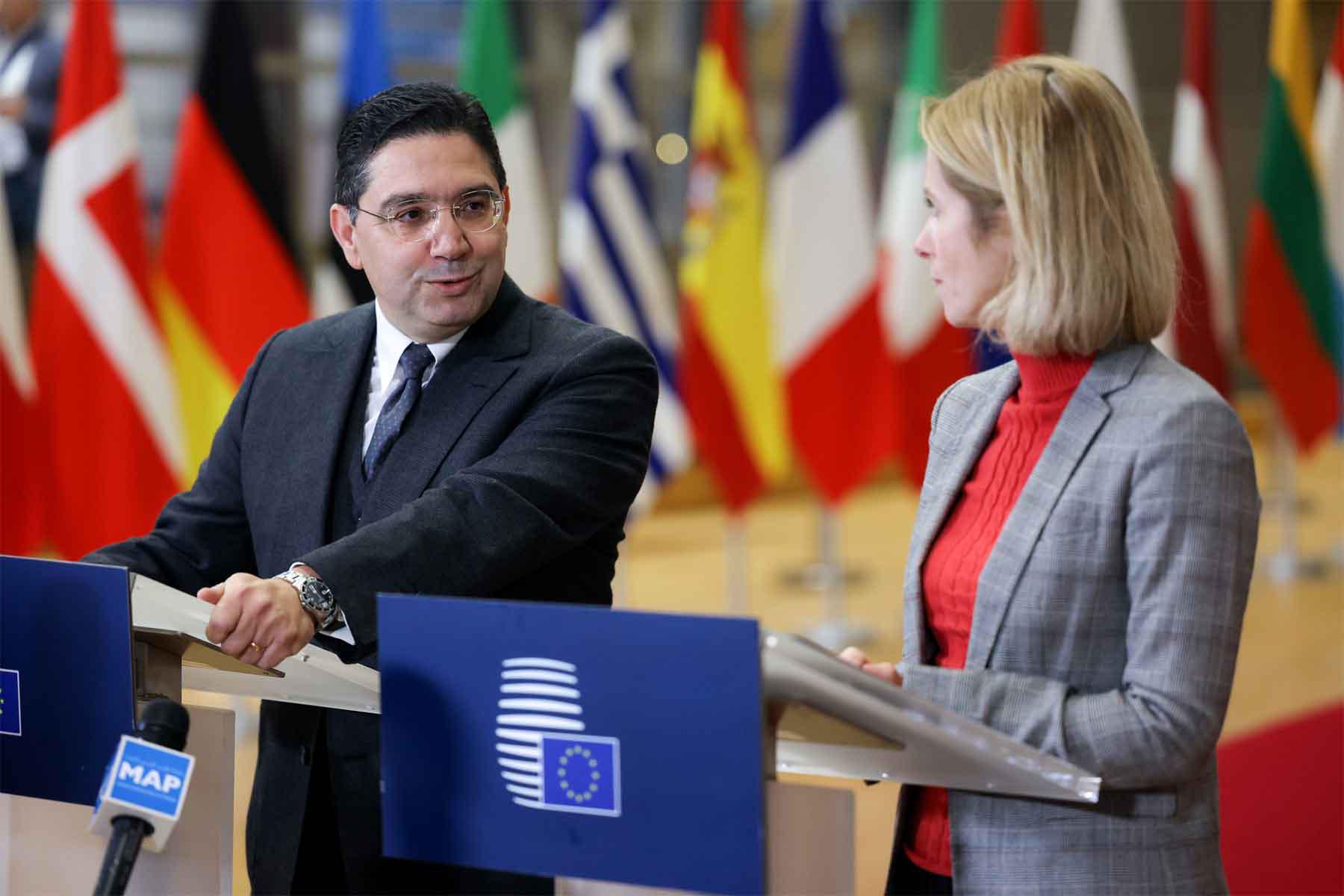
A significant diplomatic shift with far-reaching political implications
BRUSSELS – The European Union has adopted a unified position backing Morocco’s autonomy proposal as one of the most viable pathways to resolving the long-running Western Sahara dispute, marking a significant diplomatic shift with far-reaching political implications.
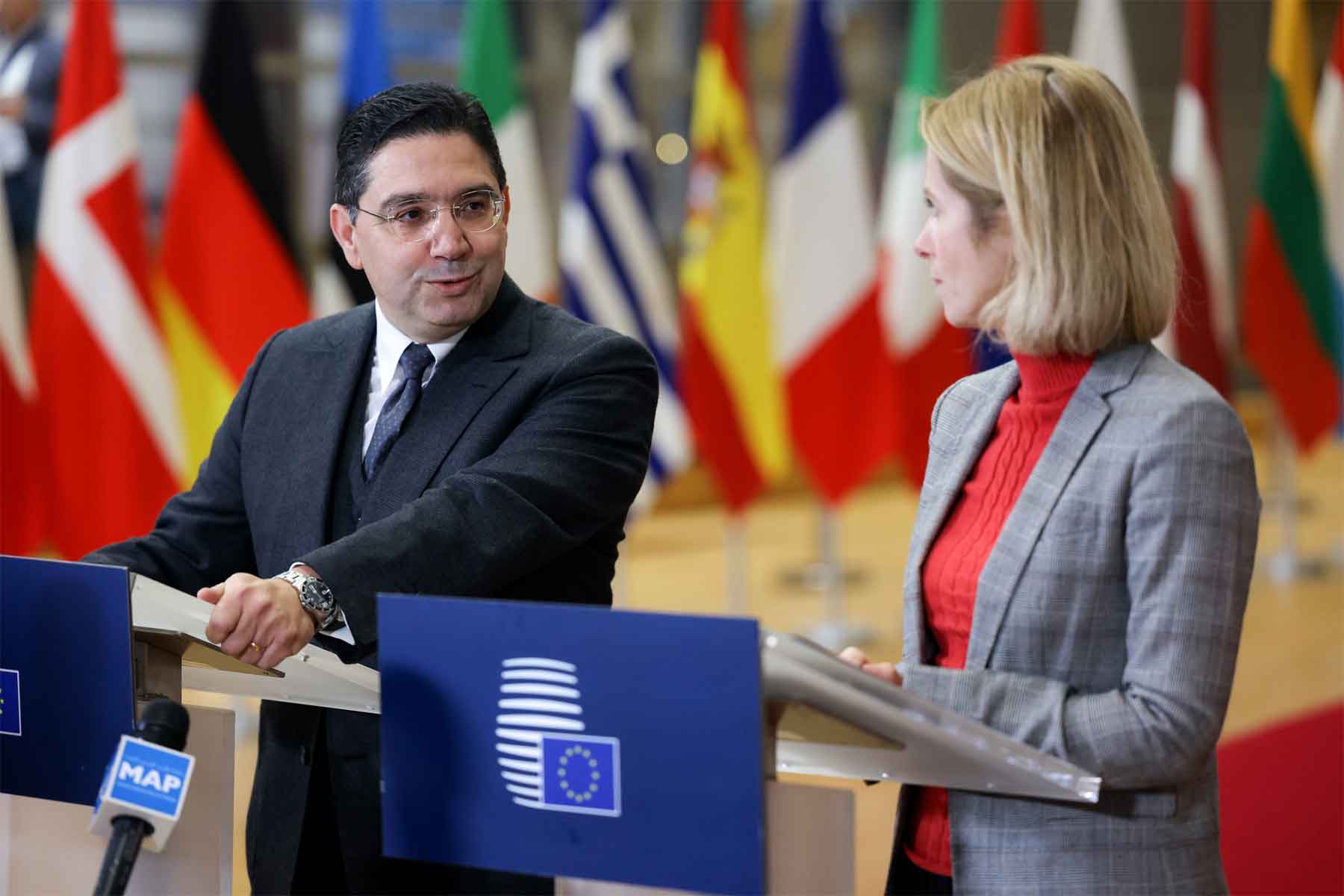
The stance was formalised at the close of the 15th session of the EU-Morocco Association Council, which concluded on Thursday in Brussels.
In a joint statement signed by Morocco’s Foreign Minister Nasser Bourita and the EU’s High Representative for Foreign Affairs and Security Policy Kaja Kallas, the bloc’s 27 member states collectively endorsed the UN-led political process while explicitly recognising Morocco’s autonomy initiative as a realistic and workable framework for a final settlement.
The statement reaffirmed the EU’s support for UN Security Council calls urging all parties to engage in serious, substantive negotiations without preconditions, anchored in Morocco’s autonomy proposal. Brussels described the initiative as a pragmatic basis for achieving a lasting political solution to the regional dispute.
In a notable development, the EU also welcomed Morocco’s stated willingness to outline how the autonomy plan would be implemented under Moroccan sovereignty. Diplomats say this signals growing European recognition not only of the proposal’s political credibility but also of Rabat’s readiness to move from concept to concrete execution, with an emphasis on local development and long-term stability.
The joint declaration further praised the adoption of UN Security Council Resolution 2797 in 2025, which renewed full backing for the efforts of the UN secretary-general and his personal envoy. The resolution explicitly framed Morocco’s autonomy plan as the realistic foundation for the UN-led negotiating process.
While several European states have individually voiced support for Morocco’s position in recent years, this marks the first time the EU has articulated a collective and institutional stance. Analysts say the move significantly amplifies the diplomatic weight of the European position, shifting it from national endorsements to a consolidated EU policy.
The development comes amid growing international momentum in favour of Rabat’s proposal, following sustained diplomatic outreach by Morocco and increasing alignment within global forums. The adoption of Resolution 2797 last October further entrenched autonomy as the dominant reference point for international engagement on the issue.
European officials and diplomats argue that the new position reflects a broader reassessment within the EU, driven by concerns over regional stability, economic development and security cooperation in North Africa and the Sahel. A negotiated settlement based on autonomy, they say, offers a realistic route to defusing tensions while respecting Moroccan sovereignty.
The shift is also expected to inject new momentum into EU–Morocco relations, reinforcing political trust and opening the door to deeper cooperation across trade, security, migration and energy. Observers note that the Association Council meeting has gone beyond routine diplomatic review, emerging instead as a platform for recalibrating Europe’s approach to one of the region’s most enduring disputes.