


The coming weeks are expected to be decisive
US shift to diplomatic approach on Iran stirs concern in Israel
Israeli planners now anticipate that any US strike could provoke retaliatory attacks against Israel, reinforcing the importance of advanced defensive readiness.
Monday 02/02/2026
The coming weeks are expected to be decisive
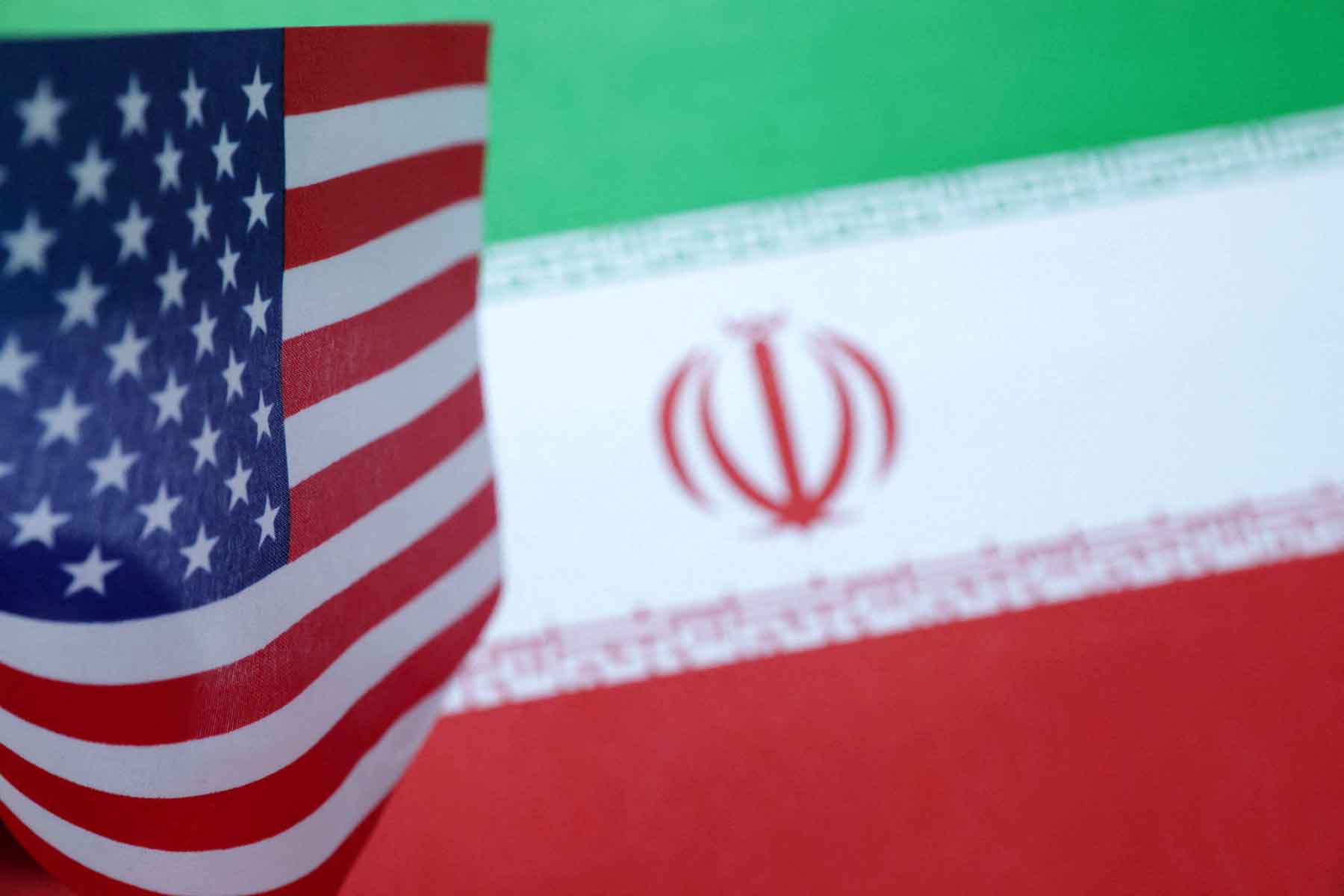
JERUSALEM – Growing unease is emerging in Israel as indications suggest the United States may be leaning towards a diplomatic resolution with Iran rather than pursuing military action. Israeli analysts argue that any potential agreement must address not only Tehran’s nuclear programme but also its ballistic missile capabilities, which remain a central security concern for Tel Aviv.
The US and Israel regard Iran as a primary regional adversary, accusing it of pursuing nuclear weapons, while Iran maintains that its nuclear activities are for peaceful purposes, including electricity generation. Israel, which possesses a nuclear arsenal, has repeatedly warned that Iran’s reconstruction of long-range ballistic missile capabilities, damaged in previous confrontations, poses a direct threat.
Recent signals from Washington, however, indicate that US policy under President Donald Trump is focusing primarily on preventing nuclear proliferation and addressing domestic unrest in Iran. This apparent pivot has prompted heightened coordination between Israeli military leaders and US officials. Israeli forces have briefed Washington on regional intelligence and defensive measures, while simultaneously preparing for the possibility of unilateral US military action.
The memory of the 12-day Israeli offensive on Iran in June 2025 looms large. That operation, undertaken with American support, triggered widespread Iranian retaliation and ended only after a US-brokered ceasefire. Israeli planners now anticipate that any US strike could provoke retaliatory attacks against Israel, reinforcing the importance of advanced defensive readiness.
The situation is further complicated by mass protests in Iran that erupted in late December 2025, sparked by economic deterioration. Despite heavy casualties among civilians and security forces, Iranian authorities maintain that foreign powers, including the US and Israel, have sought to exploit the unrest. Meanwhile, Israel remains concerned that a US focus solely on the nuclear issue could leave Iran’s missile threat intact, a scenario seen as highly undesirable in Jerusalem.
Across the region, military and security analysts note that Washington continues to mobilise forces and bolster regional defences, reflecting the uncertainty of whether diplomacy or conflict will ultimately prevail. Israel has reinforced its defensive systems, including missile interception capabilities, and is closely monitoring US-Iran communications.
While the US publicly emphasises a preference for negotiation, behind the scenes it is reportedly pressing for broader Iranian concessions, including halting uranium enrichment, curbing missile programmes and ending support for regional proxies. Tehran, however, has rejected proposals to impose total restrictions on enrichment or discuss missile limitations, signalling a potential stalemate.
The coming weeks are expected to be decisive, as both regional and global actors await the outcome of US deliberations. Israel, in particular, faces a delicate balance: supporting American strategy while ensuring its own security amid persistent threats from Iran’s nuclear and missile capabilities.
The geopolitical stakes are high, with the broader Middle East watching closely to see whether the impasse will resolve through diplomacy or escalate into renewed conflict, potentially redefining regional security dynamics.