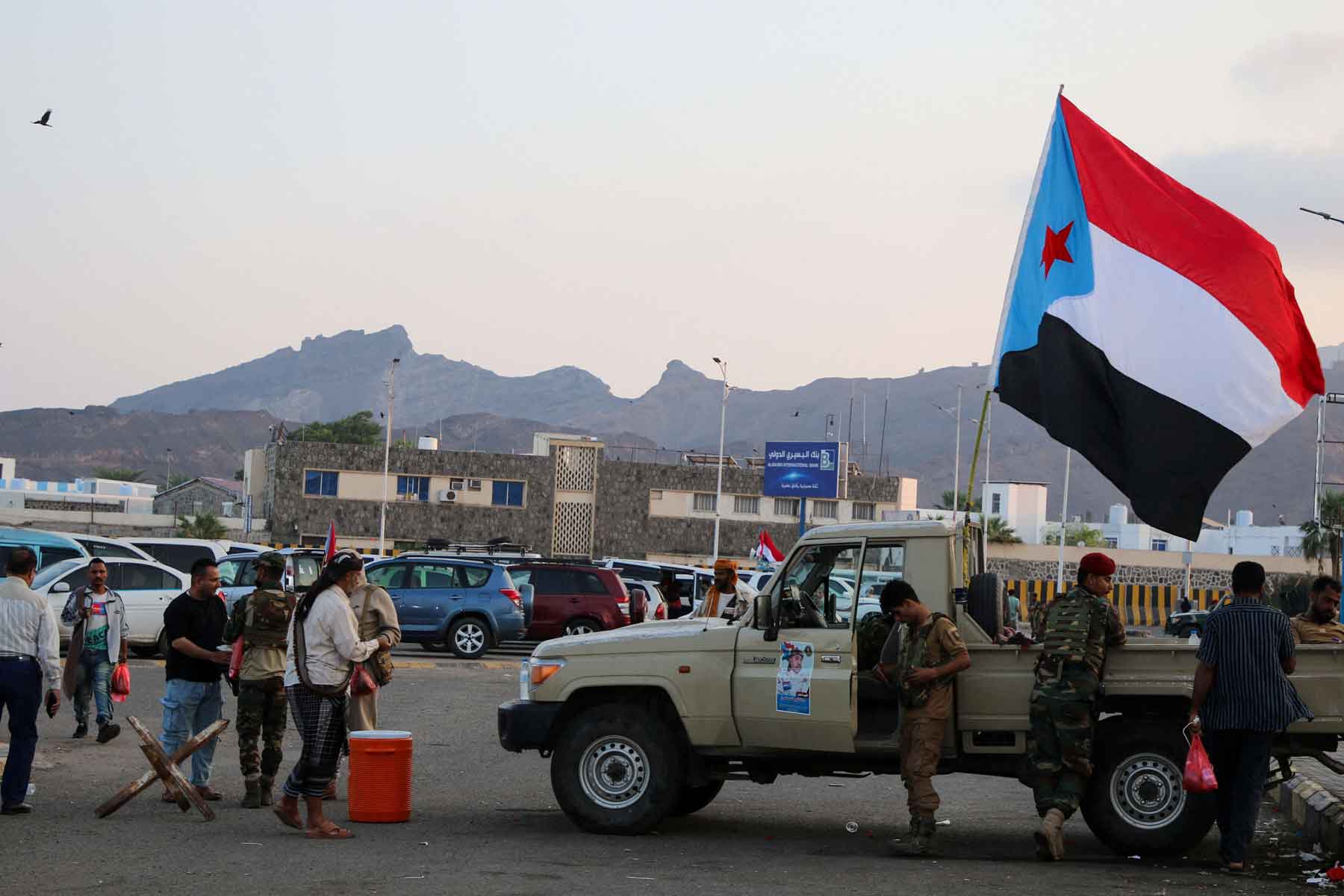
UAE’s support helped the Southern forces defeat terrorism and establish stability
In southern Yemen, political games threaten hard-won security
The South, which has sacrificed thousands of martyrs confronting al-Qaeda and ISIS, now faces a struggle that is no longer solely military. It is overtly political.
Monday 02/02/2026
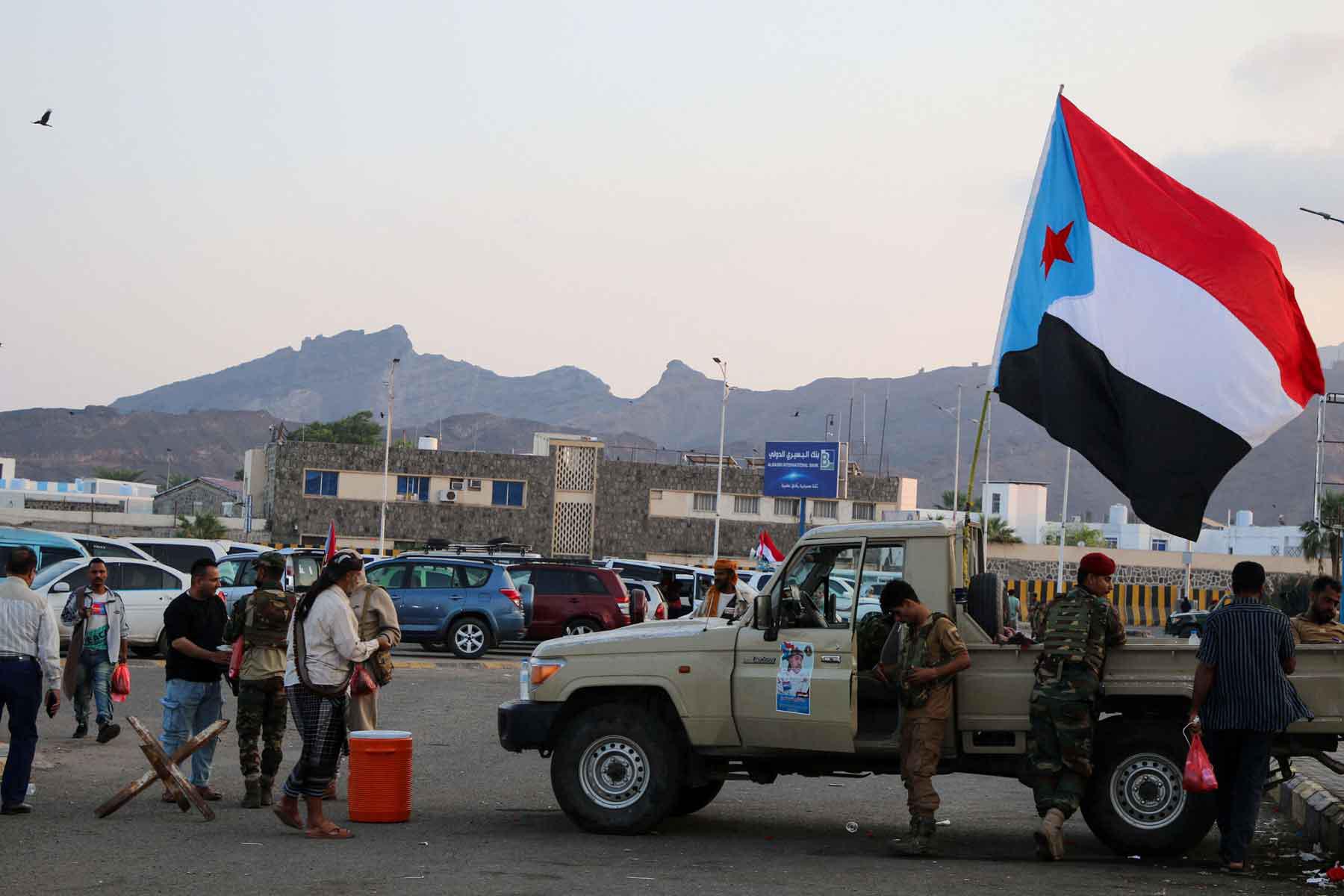
UAE’s support helped the Southern forces defeat terrorism and establish stability
Since the liberation of southern strongholds, Aden, Lahij, and the provinces of Abyan, Shabwa, and Hadhramaut, in 2015 from the Houthi invasion, the South has yet to experience true peace. Instead, it has faced its most severe challenges: extremist groups exploiting the vacuum of state authority to wage an alternative war, aimed at destabilising and exhausting the region.
In Aden, local leaders, security officials, military camps, markets and checkpoints became daily targets for bombings and assassinations. Meanwhile, in Abyan, Shabwa, and Hadhramaut, al-Qaeda established training camps openly, culminating in the creation of the so-called “Islamic emirates,” a development that could not have occurred without explicit political and security cover.
Amid this chaos, leader Aidarus al-Zoubaidi assumed a historic responsibility. With direct support from the United Arab Emirates, the Southern Armed Forces were built from Southern Resistance elements, transforming into a national force that waged a genuine war against terrorism, not with slogans, but through blood and sacrifice.
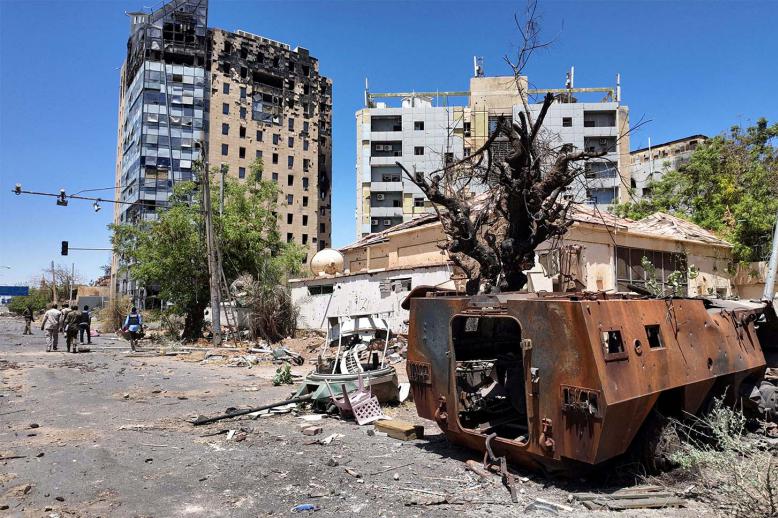
From Aden to Hadhramaut, then Abyan and Shabwa, the Arrows of the East campaign successfully dismantled the backbone of extremist groups over ten consecutive years. Yet, by early January 2026, following the Promising Future operation, which eradicated the last strongholds and training camps of extremist groups and dismantled smuggling networks, the situation dramatically reversed. Instead of receiving support, the South endured direct Saudi airstrikes targeting its armed forces’ camps, an action that can only be understood as a deliberate political manoeuvre serving interests hostile to the South’s security.
The airstrikes coincided with a ground advance by the Emergency Forces of the Islah Party from Marib, an overt attempt to seize Hadhramaut and Shabwa. The operation was less a military manoeuvre than a political and ideological assault. It reopened the door for terrorist groups, which quickly re-emerged as weapons were looted from military camps and transported to Marib.
Terrorism returned to the South under the guise of legitimacy, with aerial, logistical and political backing, a stark contradiction that exposes the pretense of the anti-terror narrative. Ironically, those being targeted are the very forces that have fought terrorism relentlessly, while the threat is allowed to regenerate.
This is not a case of military misjudgement or operational error. It is a deliberate political decision aimed at breaking the South’s resolve and punishing it for imposing security and exposing alliances that have historically used terrorism as a tool of influence.
The South, which has sacrificed thousands of martyrs confronting al-Qaeda and ISIS, now faces a struggle that is no longer solely military. It is overtly political. Targeting its armed forces will achieve only one outcome: facilitating the return of terrorism and undermining any claim of genuinely combating it.