

Many of the series promise a mix of suspense, comedy and everyday realism
Ramadan race heats up as Moroccan channels unveil new drama line-up
This year’s offerings bring together established stars of Moroccan drama alongside new actors, with productions seeking to balance entertainment with human and social messages.
Tuesday 03/02/2026
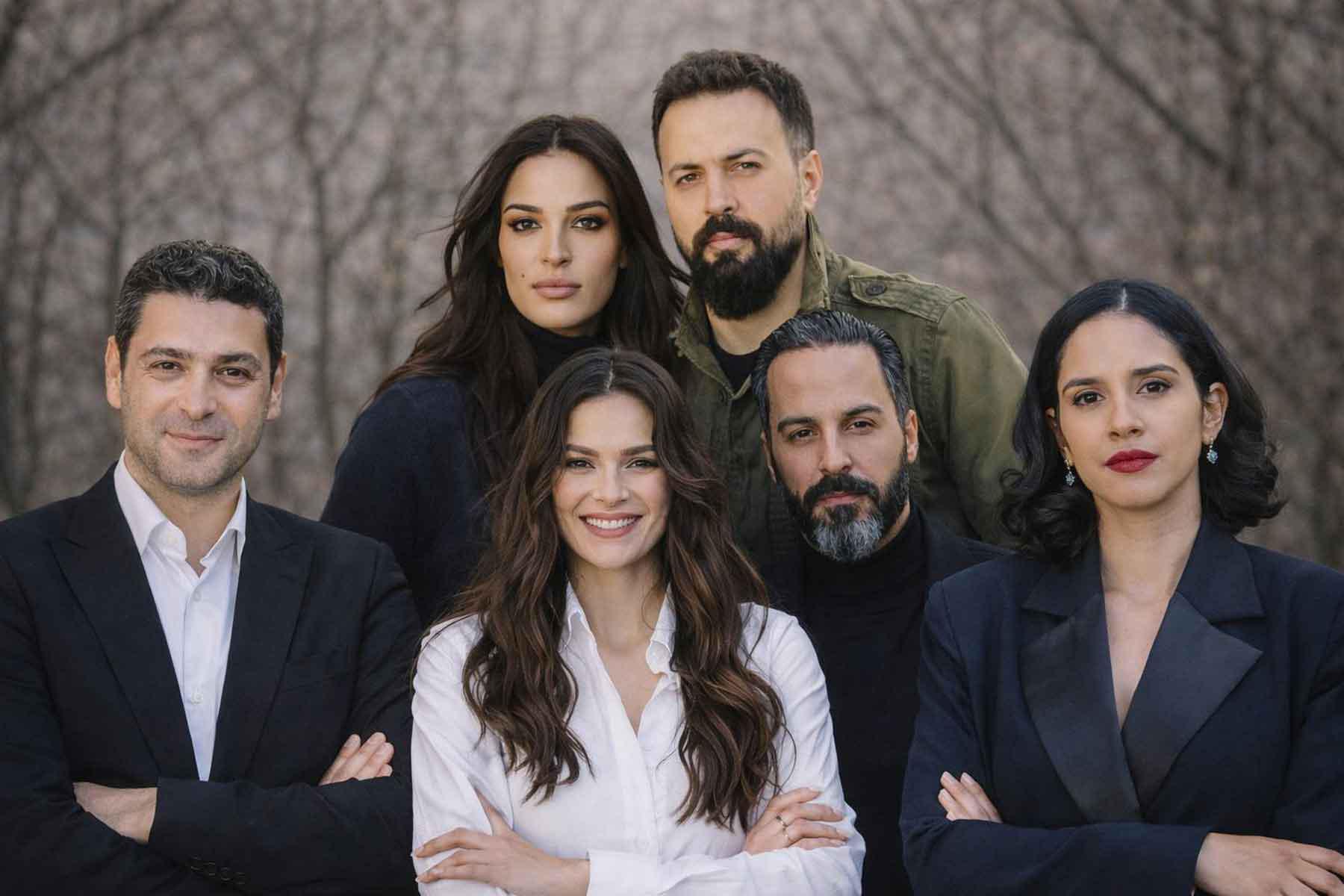
Many of the series promise a mix of suspense, comedy and everyday realism
RABAT – Moroccan audiences have reacted strongly to the promotional trailer for the television series “Lili Twil” (A Long Night), which has circulated widely on social media, intensifying competition among Moroccan broadcasters ahead of the highly anticipated Ramadan television season.
The buzz surrounding the trailer reflects a broader surge of interest in this year’s slate of Moroccan drama and comedy, as television channels vie for viewers with productions that blend authentic Moroccan heritage with contemporary social themes.
The Ramadan season, traditionally the most lucrative and influential period in the local television calendar, has already become a focal point for cultural pages and entertainment websites, even before official broadcasts begin.
This year’s offerings bring together established stars of Moroccan drama alongside a new generation of actors, with productions seeking to balance entertainment with clear human and social messages. Many of the series promise a mix of suspense, comedy and everyday realism designed to resonate with a broad audience.
Among the most talked-about titles is “Lili Twil,” alongside “Al Hayba: Ra's Al Jabal,” “Rahma” (season two), “Bnat Lalla Mennana” and “Hikayat Shama”. Large numbers of viewers have expressed eagerness to follow these works upon release, particularly given their engagement with current and relatable issues.
The promotional clip for “Lili Twil” sheds light on the world of social media platforms and the phenomenon of rapid online fame, raising questions about its cost, limits and psychological and social repercussions. The series appears to tackle the pressures faced by influencers and content creators, while hinting at a dramatic atmosphere marked by tension and suspense. Its narrative suggests a bold engagement with contemporary realities that speak directly to the experiences of many young Moroccans.
Directed by Alaa Akaaboune, known for his distinctive visual style and focus on social issues, and written by Fatine Youssoufi, the series presents what many viewers see as a promising dramatic arc. The cast includes Salma Salaheddine, Maria Lalouaz, Ayoub Gretaa and Nasser Akabab, who lead audiences through a story filled with surprises, conflicts and the pull between fame and everyday life. Central to the plot is the question of whether the character Maryam can reconcile her ordinary world with the seductive appeal of influencer culture.
Gretaa described his role in “Lili Twil” as one of the most shocking performances of his career. Speaking to journalists on the sidelines of the opening of the European Film Weeks in Casablanca, he said the character would surprise Moroccan audiences.
“Honestly, among all the characters I have portrayed in my artistic career, my role in ‘Lili Twil’ will be shocking for the Moroccan public. It is true that audiences often know me for villainous roles, but this villain will shock them even more,” he said.
Addressing concerns about being typecast in roles associated with evil or antagonism, Kraytaa added that he views such characters as a creative challenge.
“I consider this type of role a challenge for me. Each time, I try to present a different kind of evil,” he said, also highlighting his renewed collaboration with director Alaa Akaboun and the working dynamic behind the scenes.
Broadcaster 2M (Dozime) has already begun promoting several productions for the upcoming Ramadan season, opting this year to focus on socially-driven dramas. The channel has dropped the sitcom format it programmed for many years, citing the lack of readiness of any suitable project in that genre for this season.
One of the standout titles is “Al Hayba: Ra's Al Jabal,” the Moroccan adaptation of the popular Syrian series “Al-Hayba.” Set in a Moroccan rural environment, the drama explores complex family conflicts and power struggles. Directed by Ayoub Lahnoud, the series stars Nora Skali, Assaad Bouab, Hiba Benani and Amine Ennaji, among other prominent names, making it one of the most anticipated productions of the season.
The series “Rahma” returns for a second season following the success of its debut, continuing the story of a female protagonist who confronts social conflicts with wisdom and restraint rather than revenge. The show is written by Bouchra Malak, directed by Mohammed Ali El Mejboud, and stars Abdellah Didane, Sanaa Akroud and Karima Ghaith.
After a 13-year absence, “Banat Lalla Mannana” makes a comeback with its third season, revisiting the lives of women in a neighbourhood through a contemporary lens that blends past and present, while introducing a new generation of characters. The series is directed by Chaouki El Ofir and stars Samia Akariou, Nora Skalli and Saadia Ladib.
Also expected to draw attention is “Hikayat Shama,” inspired by popular folklore and centred on a female protagonist navigating family and social challenges during her father’s absence. The series is directed by Ibrahim Shakiri and stars Buthaina Al Yaqoubi and Kamal Kazemi.
On the comedy front, “Yawmiyat Mahjouba wa Tabaria” (Mahjouba and Tabaria's Diaries) delivers social satire by reviving familiar characters and placing them in humorous situations drawn from Moroccan daily life. The series is written and directed by Chafik Shimi, who also appears on screen.
Comedy-drama is further represented by “Habibi Hatta Al-Mawt,” a 10-episode series blending humour and drama to explore the details of everyday Moroccan life. Directed by Hicham El Jebbari, it stars Aziz Hattab, Samia Akariou and Rachid El Ouali.
Completing the comic line-up is “Imarat Al-Saada,” set within a single apartment building where the lives of diverse characters intersect in light-hearted, everyday situations. The series is also directed by Jebbari and stars Aziz Dadas and Soukaina Darabil.
Together, this season’s productions underscore the growing ambition of Moroccan television drama, as creators increasingly turn to contemporary social issues, strong storytelling and diverse genres to capture audiences during Ramadan.