


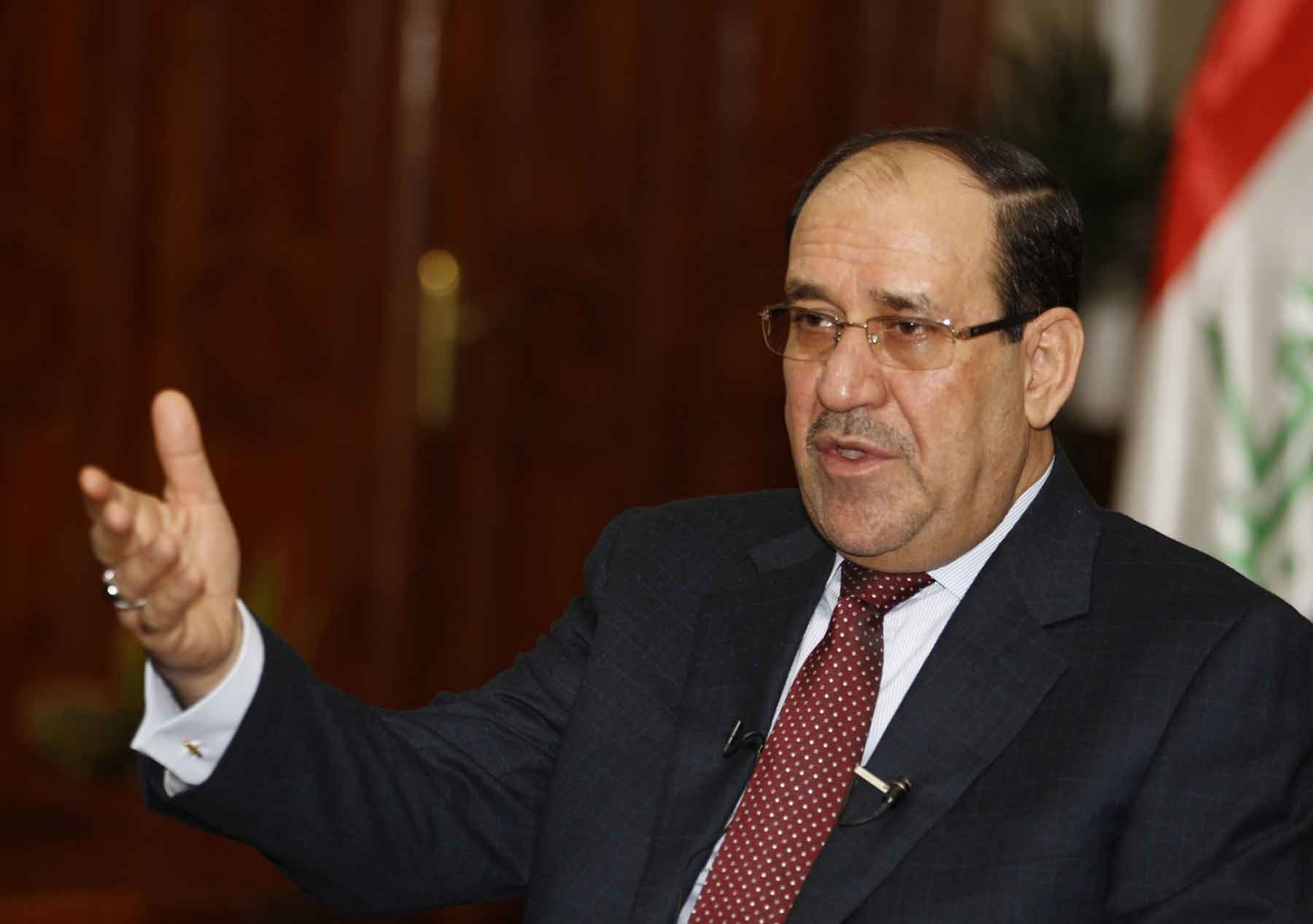
Maliki: I have no objection to withdrawing
Maliki signals conditional withdrawal from Iraq premiership race
Iraqi analysts see the US rejection as part of a broader struggle over the future direction of the Iraqi state rather than a response to Maliki alone.
Wednesday 04/02/2026
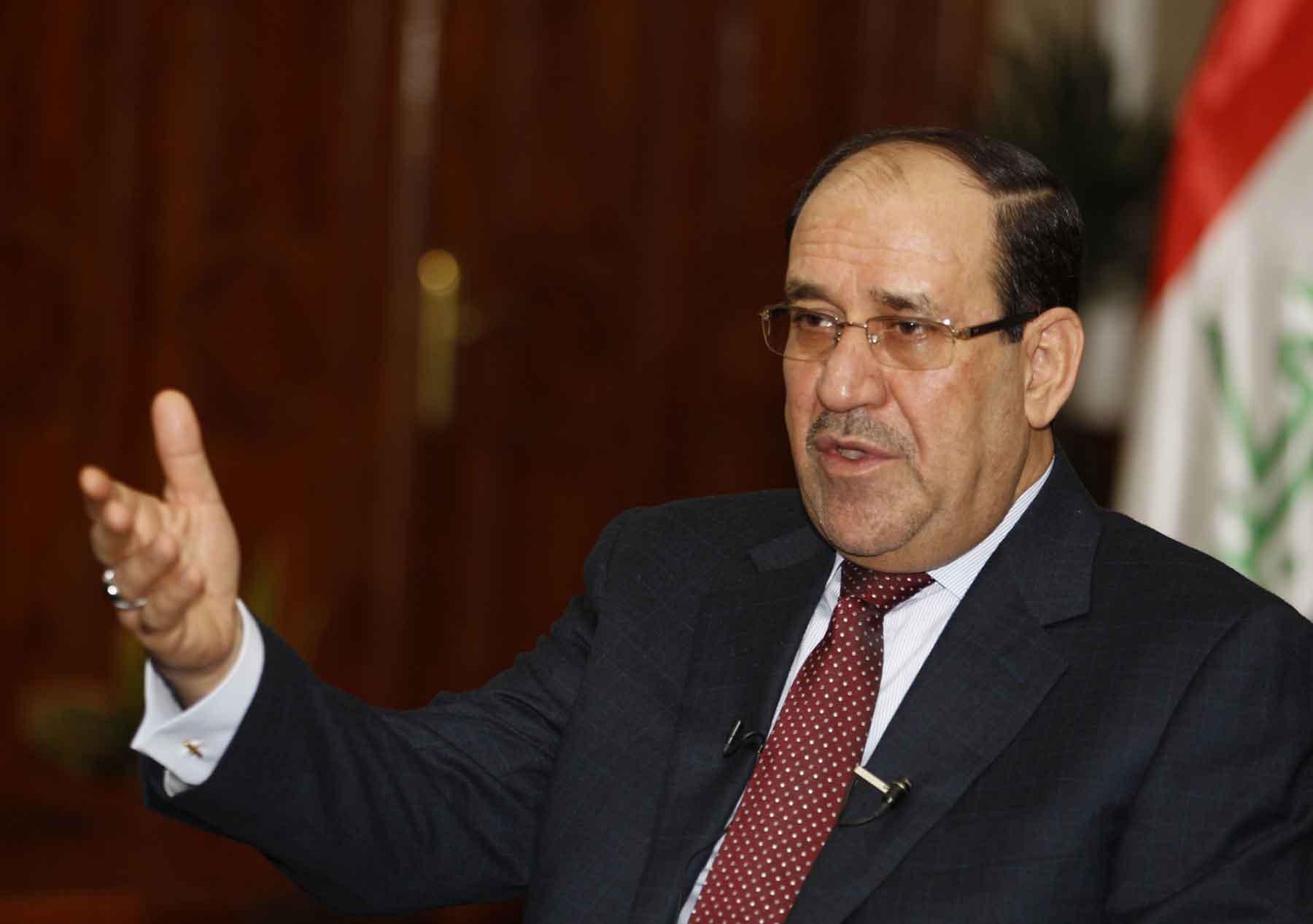
Maliki: I have no objection to withdrawing
BAGHDAD – Former Iraqi prime minister Nouri al-Maliki reignited debate across Iraq’s political landscape after indicating he could withdraw from the race to form the next government, but only under conditions set by his own political alliance, not in response to foreign pressure.
In remarks that many observers described as a calculated political manoeuvre, Maliki said he was prepared to step aside as the Coordination Framework’s nominee for prime minister if the decision came from within the alliance itself. He stressed, however, that he would not withdraw at the request of any external power, a clear reference to mounting opposition from the United States.
Speaking in a televised interview with Al Sharqiya on Tuesday evening, Maliki addressed Washington’s open rejection of his return to office, which was underscored last week by a controversial post from US President Donald Trump criticising his previous tenure.
“I have no objection to withdrawing,” Maliki said, “but only if the decision is taken by the Coordination Framework, which nominated me. Withdrawing in response to pressure from a foreign state would set a dangerous precedent and undermine national sovereignty.”
Rejecting foreign pressure
Maliki insisted that his candidacy was the result of an internal Iraqi political process rather than a personal decision, describing himself as an Iraqi citizen subject solely to constitutional mechanisms and domestic political consensus.
He dismissed claims that Iraq could face US economic sanctions should he return to the premiership, arguing that such scenarios were being deliberately circulated to force him out of the race. “These are pressure tools,” he said, “not realities based on facts.”
Addressing Trump’s social media post, in which the US president said Maliki’s return should not be allowed and accused his previous governments of presiding over “poverty and chaos,” Maliki suggested the American leader had been misled by several countries and Iraqi political actors seeking to block his third term.
“I heard the tweet may have been written here,” Maliki said, hinting at possible domestic involvement in shaping the US position.
Washington has long viewed Maliki as a divisive figure and fears that his return could strengthen Iran’s influence within Iraq’s political and security institutions, at a time when the United States is intensifying regional pressure on Tehran. Iraqi analysts see the US rejection as part of a broader struggle over the future direction of the Iraqi state rather than a response to Maliki alone.
Internal divisions emerge
Maliki’s comments come only days after he publicly reaffirmed his determination to seek the premiership despite US opposition, a stance that was echoed by the Coordination Framework, the powerful Shia alliance that dominates much of Iraq’s political system.
However, Iraqi political sources said on Sunday that differences have emerged within the alliance, with some factions concerned that insisting on Maliki’s candidacy could provoke a confrontation with Washington and complicate Iraq’s already fragile international relationships.
According to these sources, the Coordination Framework is attempting to reach a unified position that preserves Iraq’s political independence while avoiding external fallout that could disrupt the government formation process or harm the economy.
By signalling a conditional willingness to step aside, Maliki appears to be shifting the burden of decision-making back onto the alliance, a move that allows him to maintain leverage internally while easing some external pressure.
Regional signals
Beyond domestic politics, Maliki also addressed regional developments, particularly in Syria, signalling a pragmatic openness to cooperation with the country’s new leadership under Ahmed al-Sharaa.
He said Iraq was willing to develop closer ties with Damascus if the new authorities succeeded in keeping Syria free of terrorism and preventing militant spillover into Iraqi territory.
“The Iraqi and Syrian peoples share brotherly ties,” Maliki said, adding that relations could improve significantly under the right security conditions.
Maliki’s latest remarks underline the delicate balancing act facing Iraq’s political elite: asserting sovereignty while navigating pressure from powerful international actors.
As negotiations over the next government continue, his conditional offer to withdraw may prove either a face-saving exit or a tactical pause in a contest that remains far from settled.